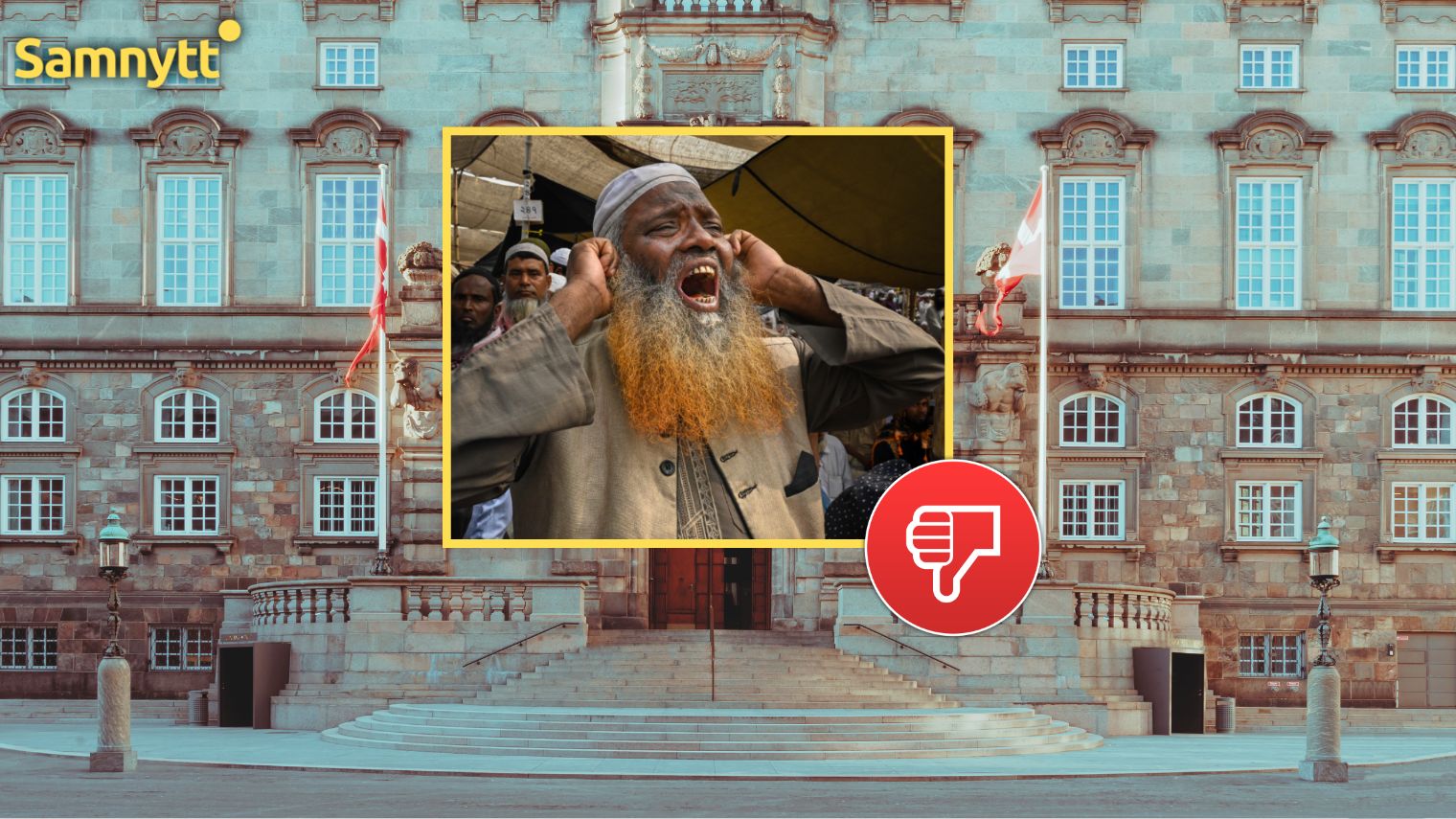
The Danish government is considering introducing a ban on Muslim calls to prayer from mosques, a proposal that has sparked debate on religious freedom, integration, and Danish national identity.
The initiative is driven by Denmark’s Minister for Integration and Immigration, Rasmus Stoklund, who has tasked officials with investigating the possibility of banning public calls to prayer from mosque loudspeakers. According to the minister, such calls do not belong in Denmark, and he has expressed that the country should not develop in the direction of what he describes as Islamization.
The proposal concerns the so-called adhan, the Muslim call to prayer that is traditionally delivered five times a day from a mosque’s minaret. In many European countries, loudspeakers are now used to broadcast the call, although the extent varies between municipalities and national regulations.
READ ALSO: SD launches “Mosque Map” – follow the Islamization
The issue of calls to prayer has been discussed in Denmark for several years. As early as 2020, several parties demanded that the government investigate the possibility of banning mosque calls. Proponents argued that the calls were disruptive and had no historical roots in Danish tradition. At the same time, critics warned that a ban risked conflicting with constitutionally protected religious freedom.
The current investigation is seen by many observers as a continuation of the stricter integration and religious policy Denmark has pursued in recent years. In 2018, the country introduced a ban on full-face coverings such as the burqa and niqab in public places. The government has since proposed extending the ban to schools and universities and abolishing special prayer or quiet rooms at educational institutions.
Divided reactions
Supporters of a ban argue that calls to prayer differ from other religious expressions because they are broadcast publicly over loudspeakers and are perceived as a religious exhortation directed at the entire surroundings.
Critics, on the other hand, argue that a ban would target a specific religion and thus risk limiting Muslims’ ability to practice their faith on equal terms with other religious groups.
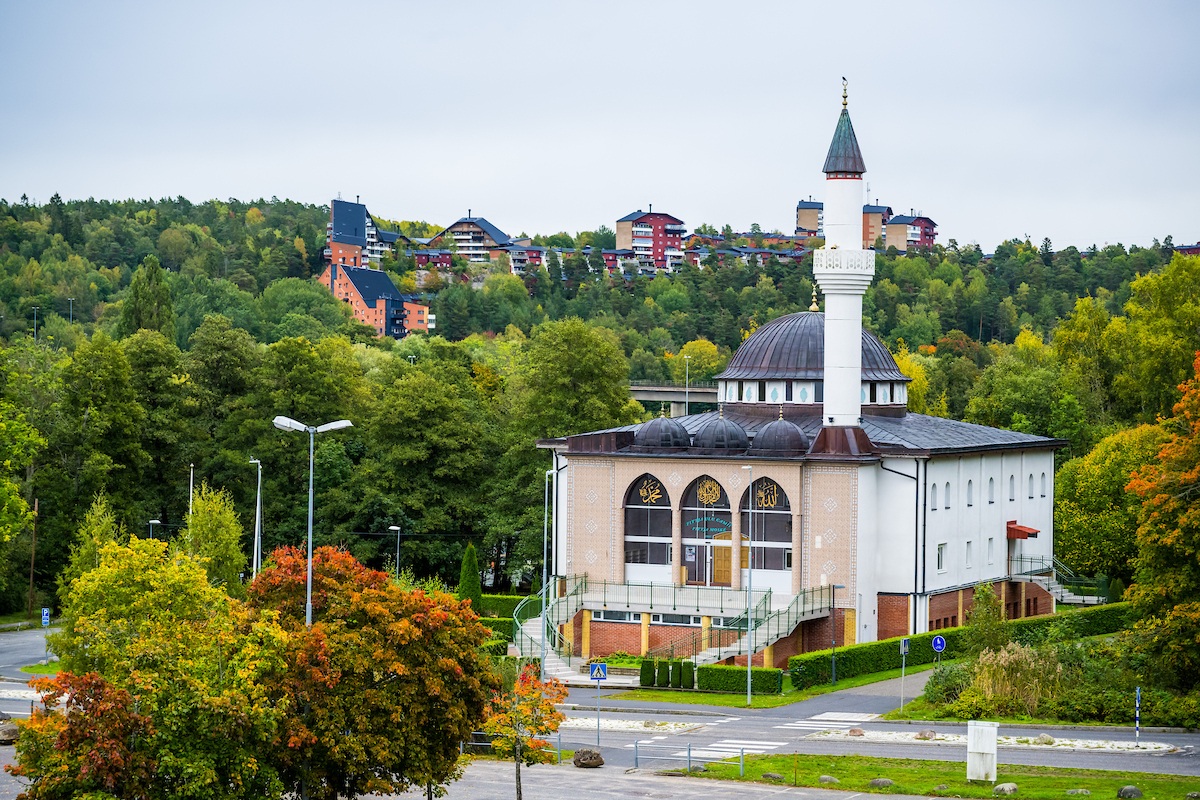
The issue has also sparked comparisons with church bells. Opponents of a ban claim that church bells have long been an accepted part of the public soundscape and that Muslim calls to prayer should therefore be treated similarly.
Supporters respond that church bells mainly function as signals, whereas calls to prayer carry an explicit religious message.
Tougher stance on religious expressions
The debate on calls to prayer comes as Denmark in recent years has implemented several high-profile measures in the area of religion. In 2023, the Folketing passed a law prohibiting public desecration of holy scriptures, including the Quran and the Bible. The government justified the decision on security grounds after widespread international protests against Quran burnings.
Denmark has also pursued an active policy against foreign religious extremists. The country’s national sanctions list includes several preachers who have been banned from entering Denmark and the rest of the Schengen area.
Growing Muslim minority
No final legislative proposal on calls to prayer has yet been presented, but the government’s investigation is expected to form the basis for a continued political discussion on how far the state can go in limiting religious expressions in public spaces without infringing on constitutionally enshrined religious freedom.
Islam is currently Denmark’s largest minority religion. According to estimates, the Muslim population stands at about 250,000, corresponding to just over four percent of the country’s inhabitants. The number of mosques has meanwhile increased sharply over the past decades.
READ ALSO: Tidö government wants to stop foreign funding to mosques in Sweden