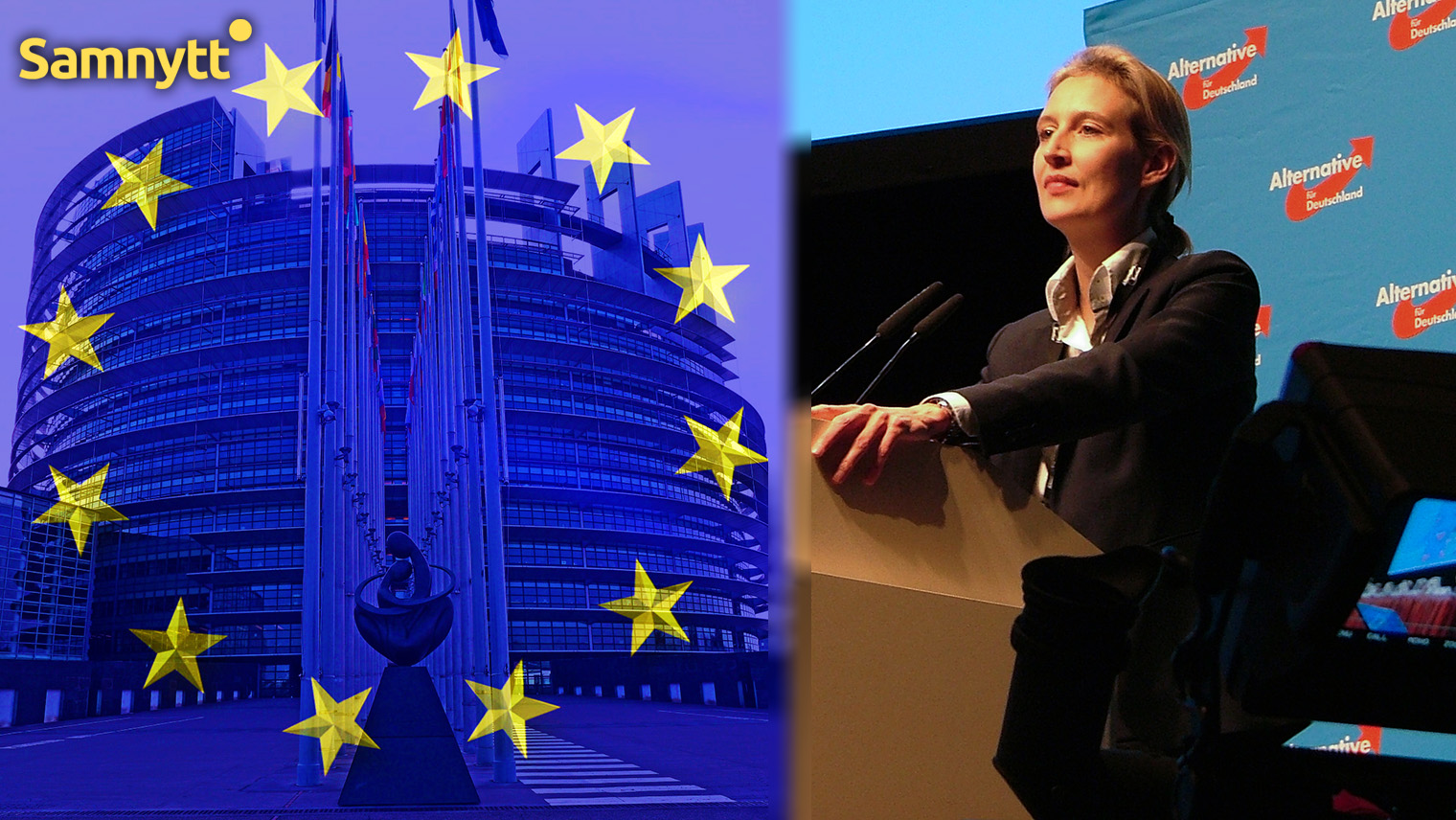
Following AfD’s landslide victory in the Saxony-Anhalt election, the possibility is now being discussed of withholding EU support to the German federal state if a future government “is deemed to violate the union’s requirements for the rule of law and fundamental rights.” A Green MEP points to Hungary and Poland as role models—where frozen EU billions were followed by changes in government.
Saxony-Anhalt is the German federal state that receives, per capita, the most money from the EU’s regional support. During the union’s current budget period of 2021–2027, this amounts to approximately 2.95 billion euros in total.
The money is used, among other things, for the renovation of schools, sports halls, and preschools as well as investments in modern medical equipment at hospitals. However, following AfD’s electoral success, the question has arisen as to whether parts of the support may be frozen if the party takes over the government in Magdeburg.
Green EU Politician Wants Right to Withhold Money
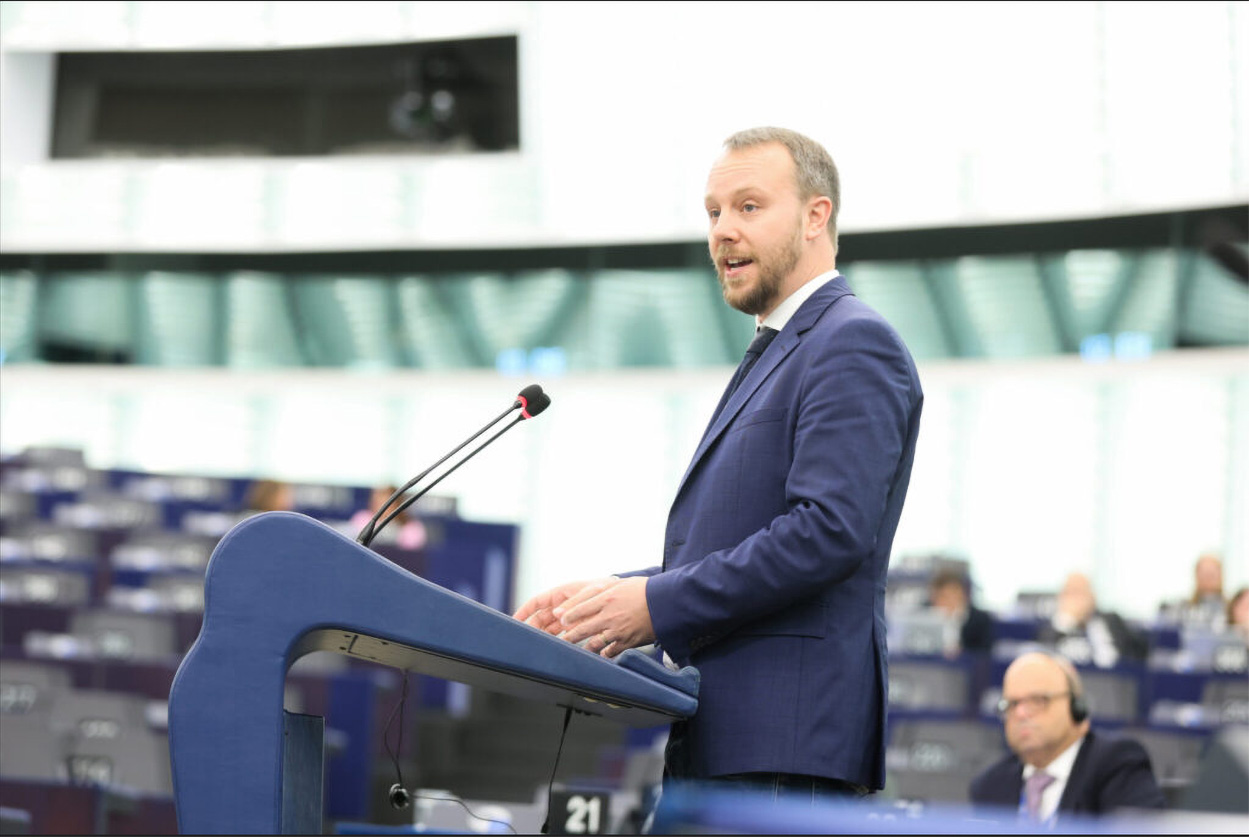
One of those bringing the issue to the forefront is German MEP Daniel Freund from the Greens. He regards AfD as a party that opposes the European project and believes that the European Commission should, if necessary, be able to suspend payments.
This, however, cannot occur simply because AfD has won a democratic election. The EU’s rules require that more concrete reasons exist, such as the disregard for the rule of law or fundamental rights in a way that falls under the conditions set for EU funding.
Structural funds are particularly interesting here, as they are largely administered by the German federal states. Under certain circumstances, the European Commission can stop payments or refuse to reimburse expenses if programs no longer meet union requirements.
Freund’s statement does not clarify how non-political projects such as refurbishing schools, sports halls, and preschools or investing in modern hospital equipment would violate the EU’s rule of law principles.
READ ALSO: Landslide for AfD in state election: “We’ve made history”
For Saxony-Anhalt, this amounts to about 500 million euros annually, according to Luise Quaritsch at Jacques Delors Centre in Berlin—roughly one fifth of the state’s investment expenditure. A funding freeze could therefore hit both regional development and business investment hard.
Wants to Force a Change in Government as Seen in Hungary and Poland
Freund was previously among the MEPs pushing for Brussels to withhold large sums from Hungary. According to Tagesschau, at its peak this involved about 18 billion euros. Poland, too, had EU funds frozen for a period. Freund now explicitly highlights the political consequences of these measures.
– In both countries we have seen that after EU funds were frozen, changes in government followed and the new governments once again had much better relations with European institutions, he says.
He believes the same tools could be considered in Saxony-Anhalt if, for example, an AfD-led government is deemed to undermine the rule of law or discriminate against minorities.
This line of reasoning simultaneously raises a fundamental question about the EU’s economic power against democratically elected governments. The rules do not give Brussels the right to withdraw support simply because voters have chosen a party that EU institutions dislike.
But when economic sanctions are linked to the fact that prior actions have led to governmental changes, the line between legal oversight of EU funds and political pressure becomes less clear cut.
AfD: “Undemocratic”
AfD dismisses the threat. Bernd Baumann, Parliamentary Managing Director for the party’s Bundestag group, accuses opponents of trying to use the EU as a political weapon.
– We laugh at our political opponents who now also at the EU level are trying to disadvantage us in an undemocratic way, because they have long been powerless against us in political debate, he says.

The Social Democratic SPD takes a different stance. MEP Matthias Ecke says that in the upcoming negotiations over the union’s 2028–2034 budget, the party wants to work to ensure Saxony-Anhalt continues to receive EU funds. At the same time, he stresses that the money is tied to the EU’s fundamental values.
– I assume that Saxony-Anhalt will continue to follow these values, or that the federal government will see to it they are followed, says Ecke.
Merz: The Federal State Can Intervene
Chancellor Friedrich Merz has also emphasized that Berlin is not powerless if a state government were to act contrary to the German constitution. The federal government has constitutional options to intervene to uphold the constitution in Saxony-Anhalt as well.
This discussion therefore does not mean that any EU funds will automatically disappear following AfD’s electoral victory. For funds to actually be frozen, the EU’s legal requirements have to be met. But even before any new government has taken office, the possibility of using the financial tool previously applied to Hungary and Poland has been brought up on the political agenda.
READ ALSO: EU: Hungary must abandon Orbán policy – demands 27 changes to release frozen billions