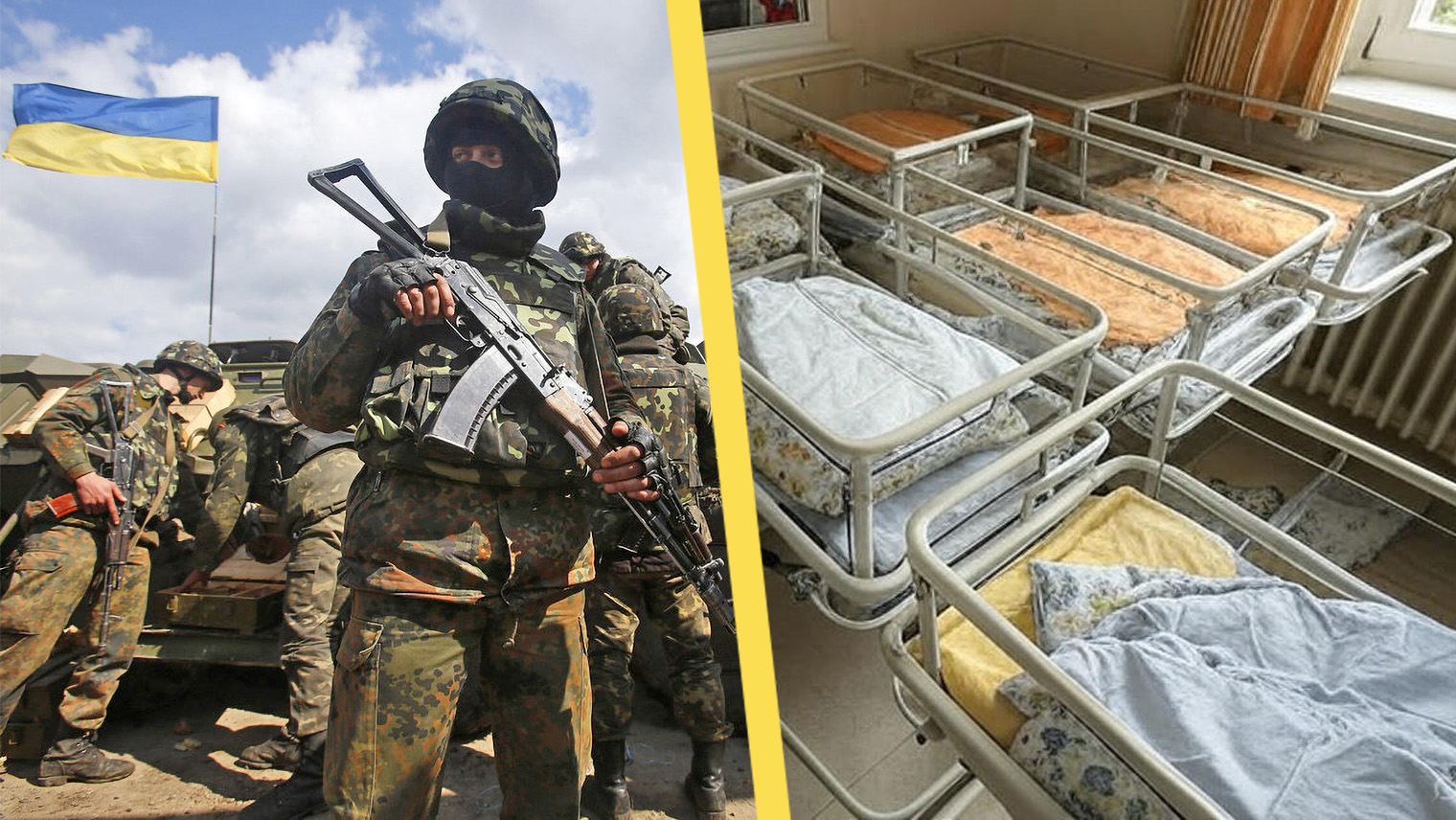
The war in Ukraine has not only claimed lives and forced millions to flee – it has also accelerated a demographic decline that has been ongoing for decades. Birth rates are falling, death rates are rising, working-age men are missing, and a rapidly aging population is emptying villages and straining societal structures. The looming question is brutally simple: who will be left to rebuild the country when the fighting stops?
Ukraine is a country where the sound of children has fallen silent. In the western Ukrainian town of Hoshcha, the maternity ward is often empty. The number of births has dropped from over 400 just over ten years ago to barely 140 this year – so few that the department lost its state funding after missing the authorities’ annual limit by just one birth.
Behind the numbers lies a harsh reality. Many men of childbearing age have been killed or are missing after fighting on the front lines, and even more are in military units far from their families. The uncertainty leads many young couples to postpone plans to have children.
READ ALSO: Now seven out of ten Ukrainians want to negotiate peace with Russia
“There is no stability, nothing to build on,” says a 21-year-old woman working in central Hoshcha, who explains that almost everyone in her generation hesitates to start a family.
At the same time, doctors in war-torn regions report more premature births – stress, fear, and disrupted healthcare chains take a heavy toll on pregnant women. During the occupation days in Chernihiv, many had to give birth in basements without heat and electricity while bombs fell outside.
Mass death, lost generations, and empty schools
Ukraine’s population has shrunk from 42 million before the 2022 invasion to under 36 million today. The forecasts are bleak: researchers estimate that the population may have dropped to 25 million by 2051 – and further decreased by the end of the century.
In the Hoshcha district, with 24,000 inhabitants, over 140 people have been killed since 2022. The wall of portraits of fallen soldiers at the town hall has become a constant reminder of the consequences. And the lack of children seeps into every part of society: in the neighboring village of Sadove, a school with room for over 200 students had to close because only nine children remained.
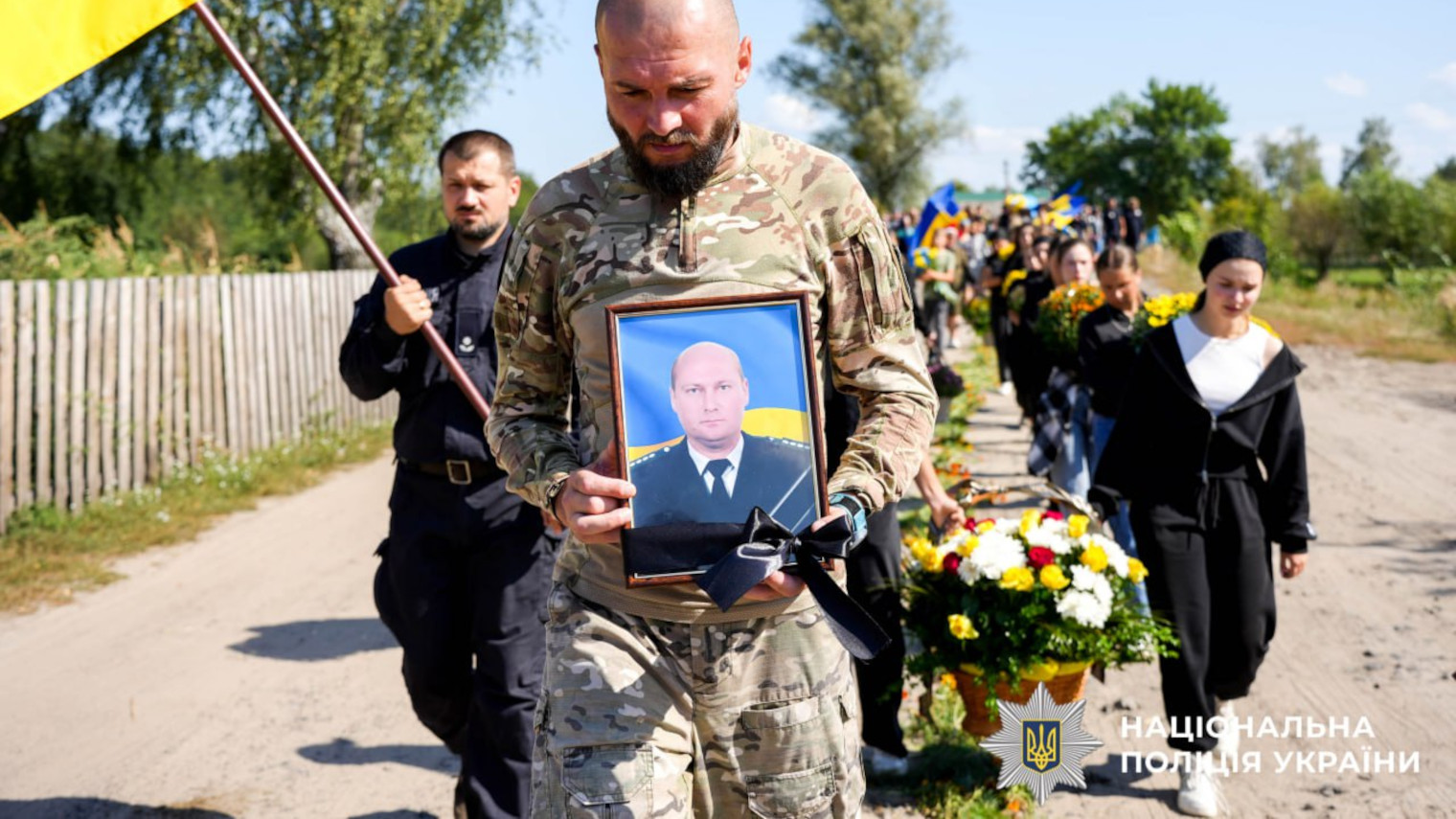
It is a national pattern. For every birth today, there are about three deaths, and the male life expectancy has plummeted from 65 to 57 years since the beginning of the war – a decline unprecedented in peacetime Europe.
Wave of emigration and absence of working-age men
Emigration accounts for the majority of population loss. Nearly seven million – mostly women and children – have left the country since 2022, and many of them are hesitant to return. A study shows that less than half of Ukrainian refugees in Europe see a future in their homeland. The longer the war lasts, the more firmly newcomers take root in recipient countries.
At the same time, men between 18 and 22 are kept in the country due to mobilization laws. When the war eventually ends, a new wave of emigration is expected among men of working age, which risks further deepening the labor shortage.
READ ALSO: Ukrainian top politician: We need to open the country for mass immigration
The government’s own long-term strategy from 2024 warns of a shortage of 4.5 million workers within ten years – especially in the construction sector, technology, and administrative professions. Without massive return migration or controlled immigration of labor, the country will lack the people needed for reconstruction.
An aging society – at risk of stagnation
Ukraine was already one of Europe’s fastest aging societies before the war. Now, this development is being significantly reinforced. The proportion of people over 65 is expected to rise from 17 percent in 2020 to 22 percent in 2040, while both childbirth and the number of people of working age decrease.
This imbalance threatens pensions, welfare systems, and the future economy. Researchers warn that the demographic trends of the past 35 years – characterized by low nativity, emigration, and recurring economic crises – will shape the country for decades to come, regardless of when the war ends.
READ ALSO: Shortage of men – now the women will fight for Ukraine
Yet, demographers point out that a smaller Ukraine is not necessarily doomed to poverty. Countries like Canada and Luxembourg show that high quality of life does not require a large population – but it requires long-term reforms and at least slowing down the decline.
Building a future – with fewer hands
Today, Ukraine faces a demographic crossroads. Authorities are discussing incentives for return migration, housing programs, investments in infrastructure, and possible immigration from other countries. But experts emphasize that this is a “long game”: it may take 25–30 years before the development stabilizes.
For the families living in the war, the question is more immediate. A local official in Hoshcha tells how her husband was mobilized just days after she found out she was pregnant. “The children give us hope,” she says. “Without them, many would lose the will to continue.”
But hope hangs by a fragile thread. A country where schools close, villages empty, and birth rates plummet risks losing something that cannot be rebuilt with money: future generations.