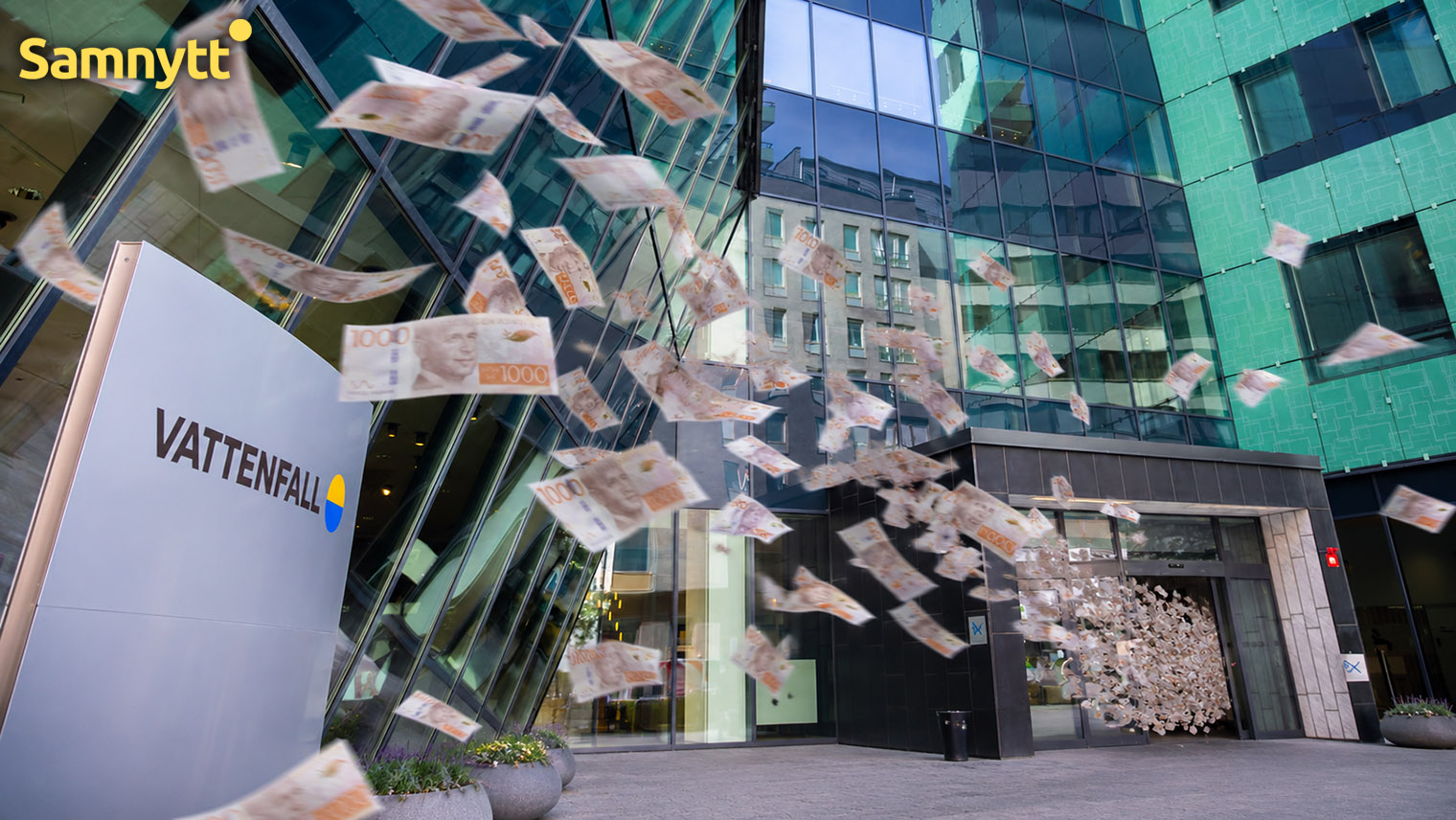
State-owned Vattenfall has spent more than 10 billion SEK on marketing, communications, and sales since 2020. Among other things, the company has invested in costly campaigns featuring international celebrities, raising criticism about whether resources are being used appropriately. Several say the focus should be on the core business—securing stable energy supply and lowering electricity costs for customers.
Vattenfall’s expenses for marketing, communications, and sales have increased significantly in recent years. Just during 2025, costs reached nearly 2 billion SEK, the highest level of the decade so far. Altogether, the company has spent over 10 billion SEK on these activities since 2020.
However, it is unclear from company reports how much of the money actually goes to advertising and communications. The costs are reported together with sales activities, making it difficult to get a clear picture of how much is spent on different activities.
Vattenfall’s press secretary Heidi Stenström claims that most of the expenses are linked to sales and customer relations across different markets. However, the state energy giant does not wish to release any documentation supporting this.
Ad Campaigns with Global Stars
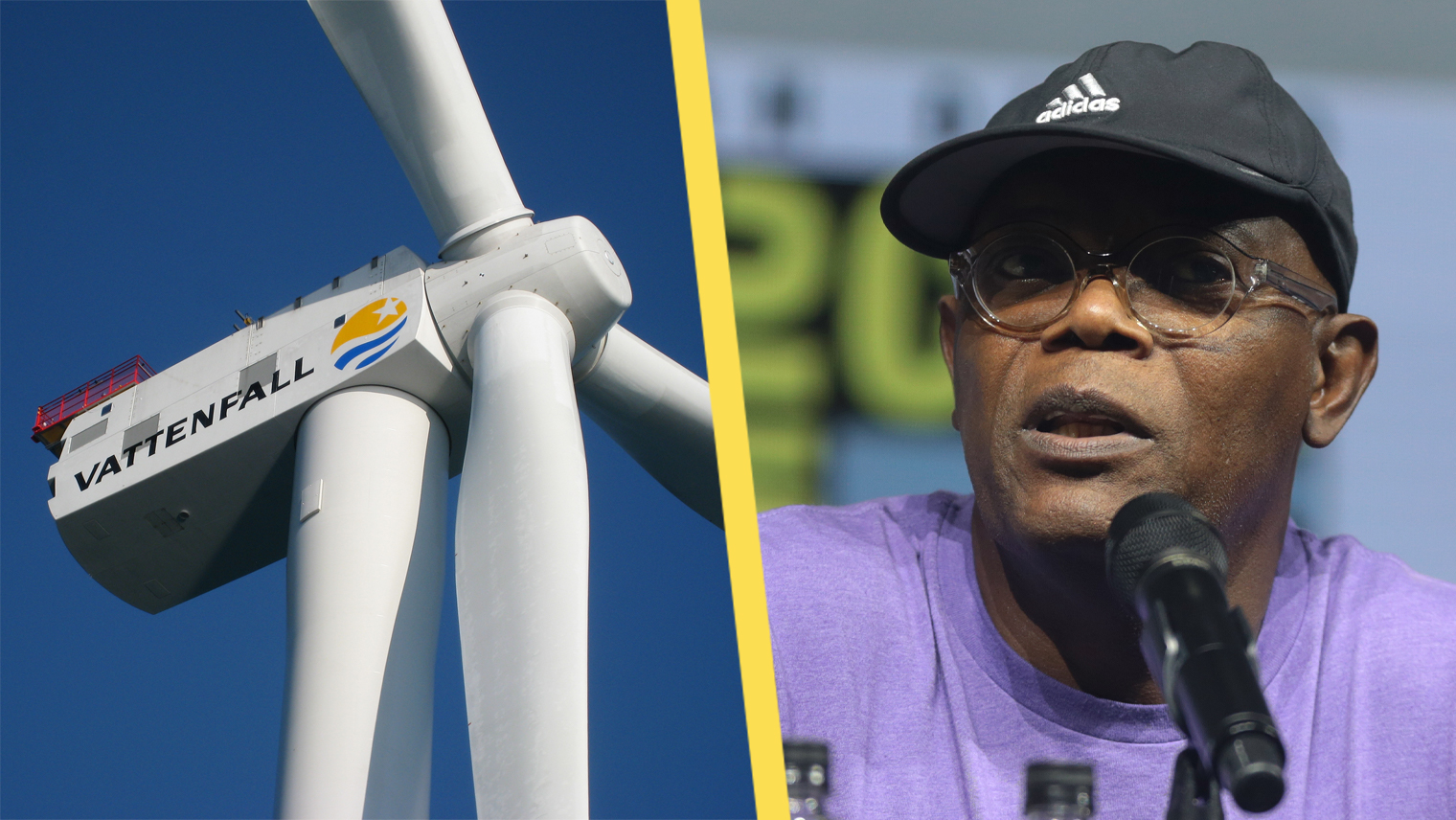
In recent years, Vattenfall has invested in several internationally noted campaigns. In the summer of 2025, the “Wind Farmed” campaign was launched, starring Hollywood actor Samuel L. Jackson. The campaign met criticism from several politicians who argued it sent the wrong message at a time when many households are struggling with high electricity costs. The company has declined to disclose the cost of the campaign.
READ ALSO: Vattenfall hires Hollywood actor – refuses to reveal the cost
Two years earlier, Vattenfall made headlines through a collaboration with British supermodel Cara Delevingne. The campaign centered around a facial water product linked to the Hybrit steel project in Luleå. However, the product was never intended for public sale, but only for top corporate executives.
This campaign also faced scrutiny from commentators who believed the company should prioritize energy supply and lowering costs for customers over expensive PR initiatives.
Criticism Over Use of a Public Company
Since Vattenfall is owned by the Swedish state, these investments also raise issues of responsibility and transparency. Critics argue that a company ultimately owned by the Swedish people should be able to report its expenses in more detail and be more transparent about the substantial sums spent on advertising, communications, and brand building.
The discussion is fueled by the fact that parts of Vattenfall’s operations are on regulated markets where customers cannot choose their provider but are obliged to use the company’s services. Against this backdrop, the value of extensive ad campaigns is called into question.
Critics argue that if Vattenfall were exposed to competition in these markets, it could not afford such expensive publicity stunts and would be compelled to keep a tighter budget to lower electricity prices.
Vattenfall Defends Its Strategy
The company rejects the criticism, claiming that what it calls “communication” plays an important role in the energy transition it claims to be leading.
“The purpose of the campaigns is to support Vattenfall’s work to make us independent of fossil energy in society. For us to succeed in this, we believe it is important to have a broad and inclusive conversation from different perspectives, which in turn requires communication that is effective and engaging,” Heidi Stenström wrote in a comment to DI.
READ ALSO: Annual Reports Show: Major Losses for Vattenfall’s Wind Power Five Years in a Row
Vattenfall describes its marketing as a long-term investment in the company’s business and public mission, rather than traditional advertising. However, Vattenfall’s wind power investments have gained attention for posting major losses for several years, causing significant financial waste for taxpayers.
Ongoing Political Debate Over State Waste
The issue of communications costs in publicly owned enterprises has simultaneously become a political flashpoint. Finance Minister Elisabeth Svantesson (Moderates) has introduced the idea of a so-called “Waste Commission” aimed at reviewing and reducing government expenditures, with communication functions singled out as an area for review.
According to Vattenfall, about 100 people work in the company’s international communications department. In total, around 1,400 people are employed in communications, marketing, sales, and customer service.
Recurring Criticism Over the Years
The debate over Vattenfall’s communications spending is not new. Already in 2013, an investigation showed that the company spent about 2 billion SEK annually on marketing and had an extensive marketing organization with hundreds of employees and external consultants.
An external analysis by the strategy firm Askus at that time highlighted several problems in communications work, including unclear responsibilities, inefficiency, conflicting messages, and a reluctance to communicate negative news.
READ ALSO: Vattenfall makes major investments in political correctness
More than a decade later, the question continues to fuel debate—just how many resources should a state energy company spend on marketing itself, and how much should instead go toward strengthening its core operations and creating value for electricity customers?