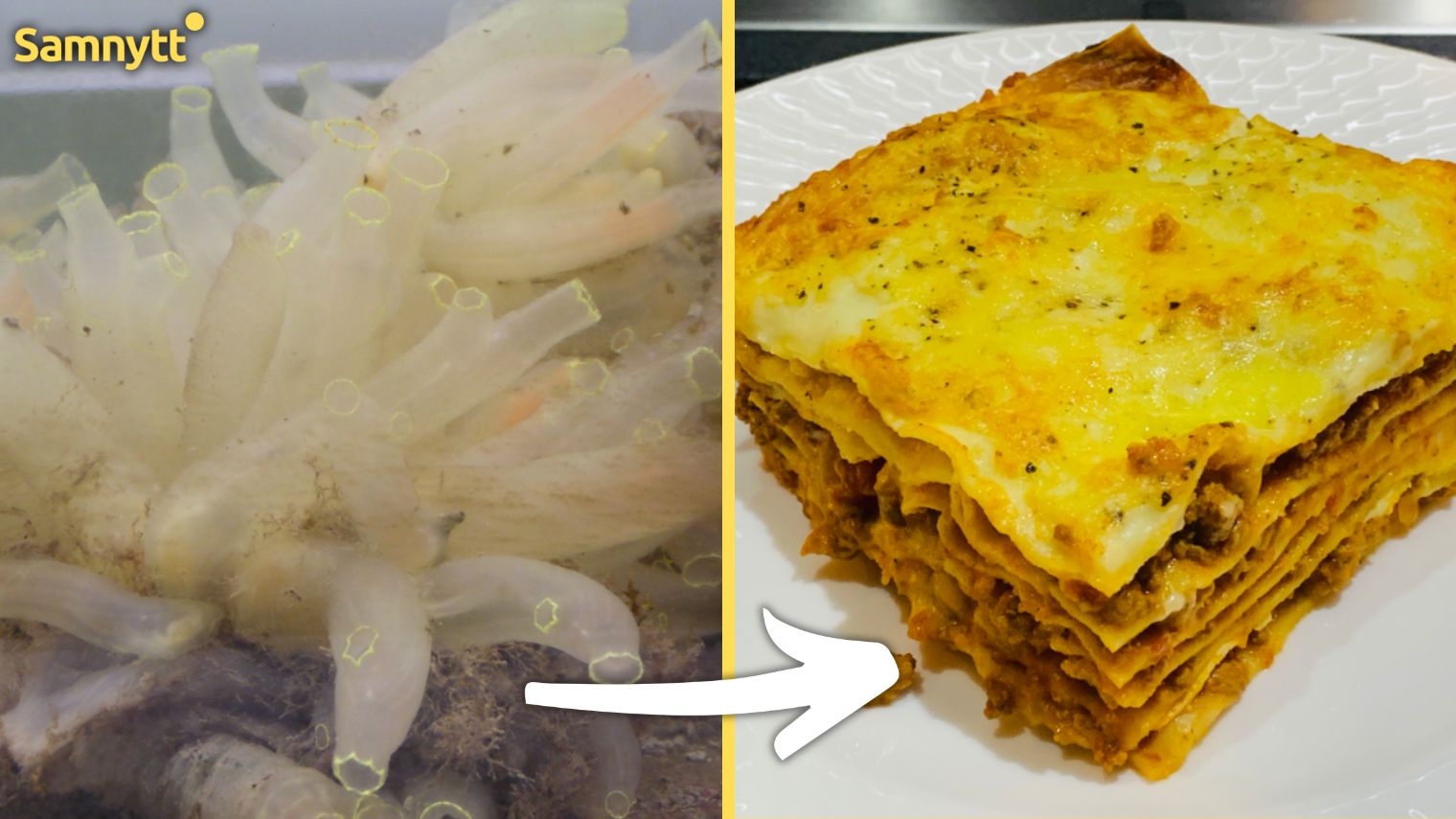
It is claimed to be a more climate-friendly alternative to ground meat and was approved as a food by the Swedish National Food Agency in 2019. However, plans to make lasagna using sea squirt didn’t materialize.
The food services unit in Ronneby municipality initiated a switch where traditional ground meat would be replaced with Purply – a food product made from Ciona, a genus of sea squirt. The sea squirt can be found along the Swedish and Norwegian coasts and is described as having a neutral taste. The reported advantages are that the raw ingredient has a low climate footprint and is naturally low in fat.
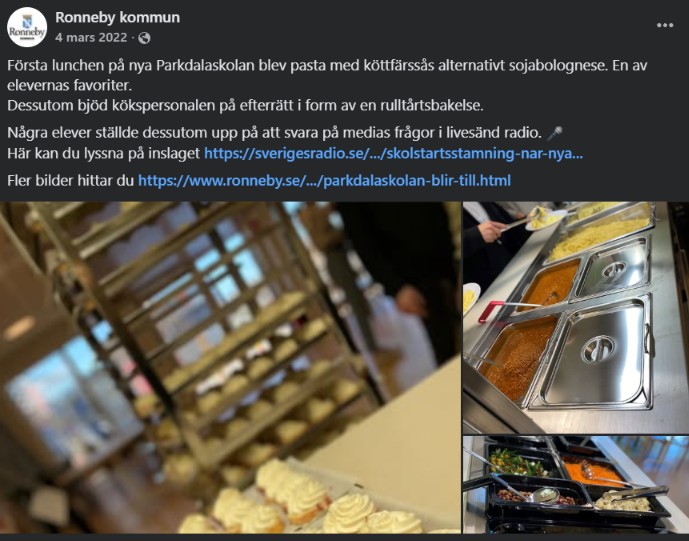
In early September, they wanted to serve lasagna made from sea squirt to students at Parkdala School. Prior to the test, information was sent out to parents to warn those whose children might be allergic to fish or, for religious reasons, did not want to eat the food.
READ ALSO: Students Forced to Eat ‘Climate-Smart’ Food – To Save the Planet
In an email to the food services unit, one parent wrote that while he did not object to students trying new foods, he was concerned about the regular replacement of traditional ground meat. He also argued that there are too many uncertainties surrounding Purply, such as its nutritional value and the risk of it containing metals and toxins.
After considering the feedback, the food services unit cancelled the test.
“We cannot guarantee 100% that the product is safe to serve. Until we have all the facts, we are suspending the serving,” they wrote in a reply to the parent.
No Control
Food service manager Elena Johansson told Sydöstran that she, the committee chair, and the head of administration jointly decided to cancel the test.
– We looked at the National Food Agency’s website and found a report stating that four tests had been conducted on mussels and oysters, but only two on Ciona. It was an old report; the food is approved by the agency and tests are being done on the farmed stocks, so normally we wouldn’t see any issues. But when we found this report, we wanted to look into it more closely.
When asked whether they had evaluated the new food before deciding to serve it at school, Johansson answered no, adding “I don’t think anyone does that.”
READ ALSO: Young People Choose Meat – Health and Everyday Life Outweigh Climate Warnings