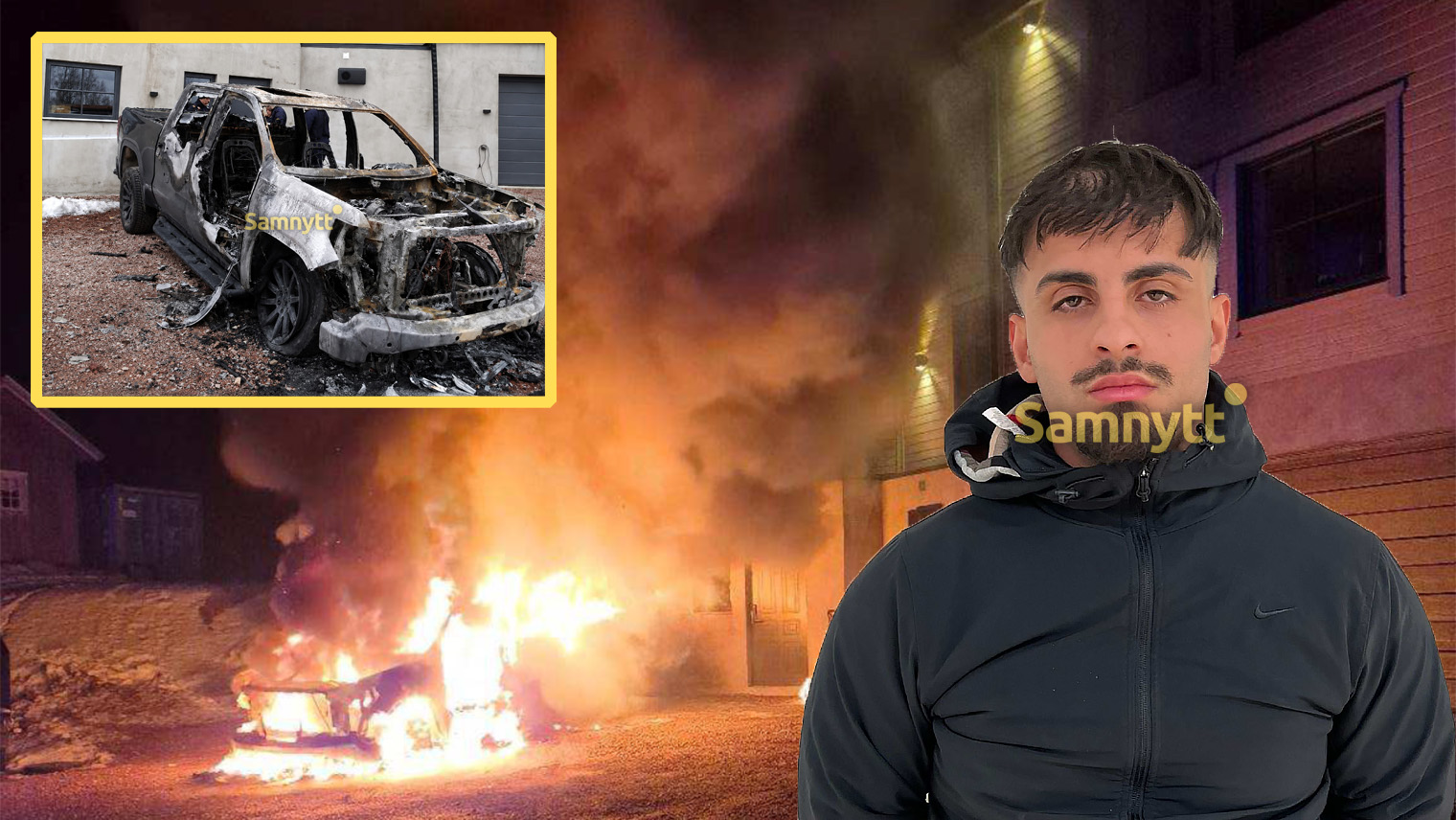
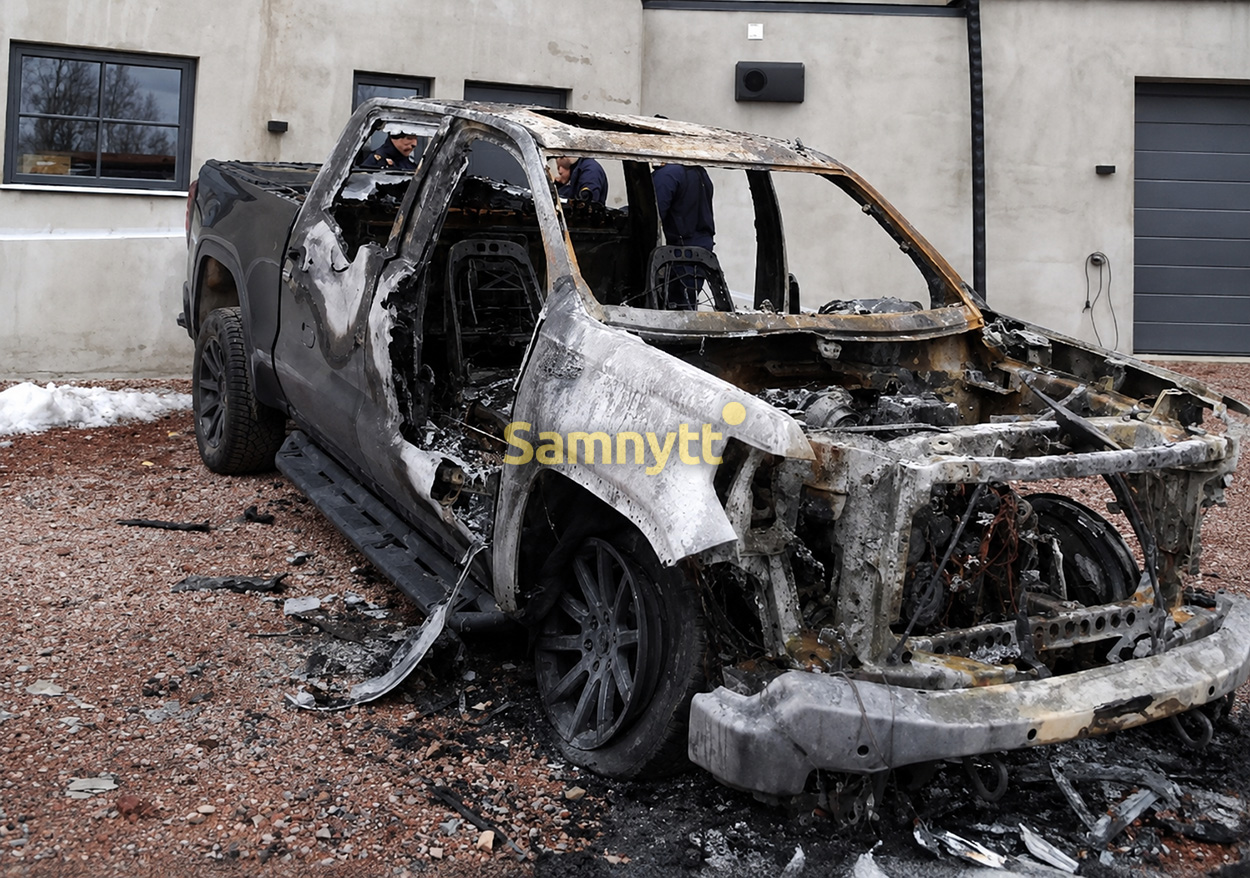
A 24-year-old Iraqi resident of Malmö was sentenced in May to three years in prison for arson after setting fire to and completely destroying a nearly new pickup belonging to a Swedish man, parked right next to the owner’s home. The Court of Appeal has now upheld the verdict. The same man was celebrated by the media in 2022 as an example of successful integration when, during the Muslim Quran riots, he livestreamed and claimed to be helping extinguish burning cars in Rosengård.
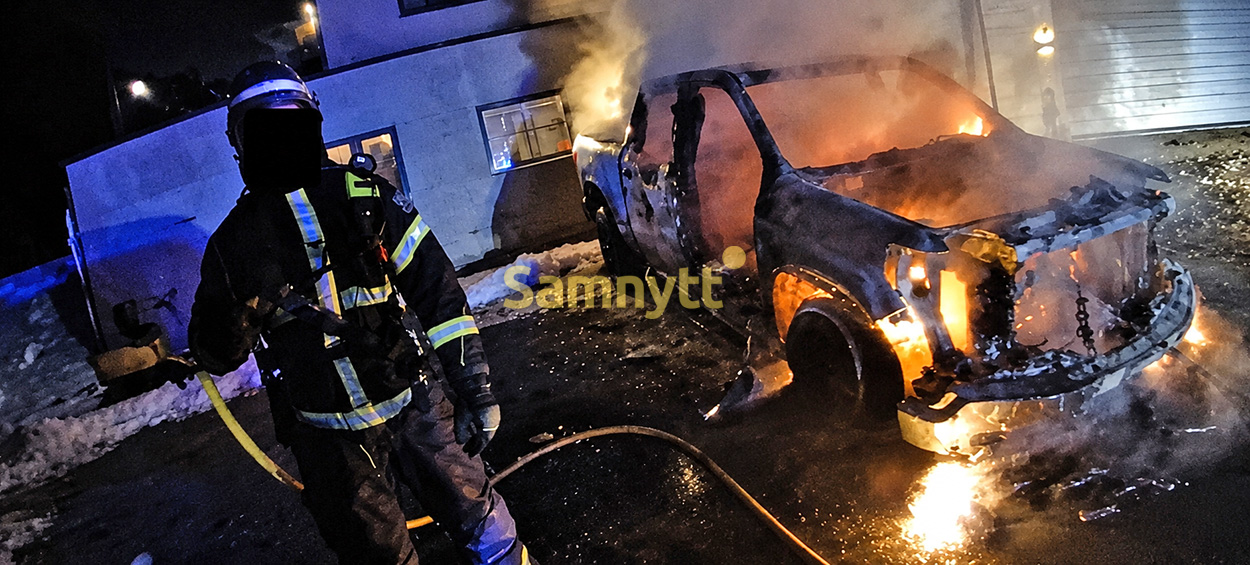
Early in the morning on March 6, 2026, just after 3 a.m., a Swedish man in his house on Siljansvägen in Gesunda was awakened by repeated bangs and a glow outside his bedroom window. When he looked out, he saw his almost new pickup, worth nearly a million kronor, in full flames. Another person and a dog were also in the house.
Emergency services and police were alerted. When the firefighters arrived, the fire was fully developed. The vehicle was parked right next to the residence. After about 20 minutes of work, the fire was extinguished.
Two windows of the house cracked from the heat and a snow shovel burned up, but the fire did not spread to the house itself. According to expert statements from the fire department and police investigations at the scene, there was a significant risk of the fire and smoke spreading to the villa—valued at at least six million kronor—had the fire continued. There was also a danger to life and health.
Reeked of gasoline at the time of arrest
At the same time as the firefighting, police patrols received information that a suspicious car had left the area. Shortly thereafter, a car was stopped nearby. The driver, Yahya Ghassan Badr Al-Badr, born September 1, 2001, in Baghdad, Iraq, but a Swedish citizen since 2017, smelled strongly of gasoline.
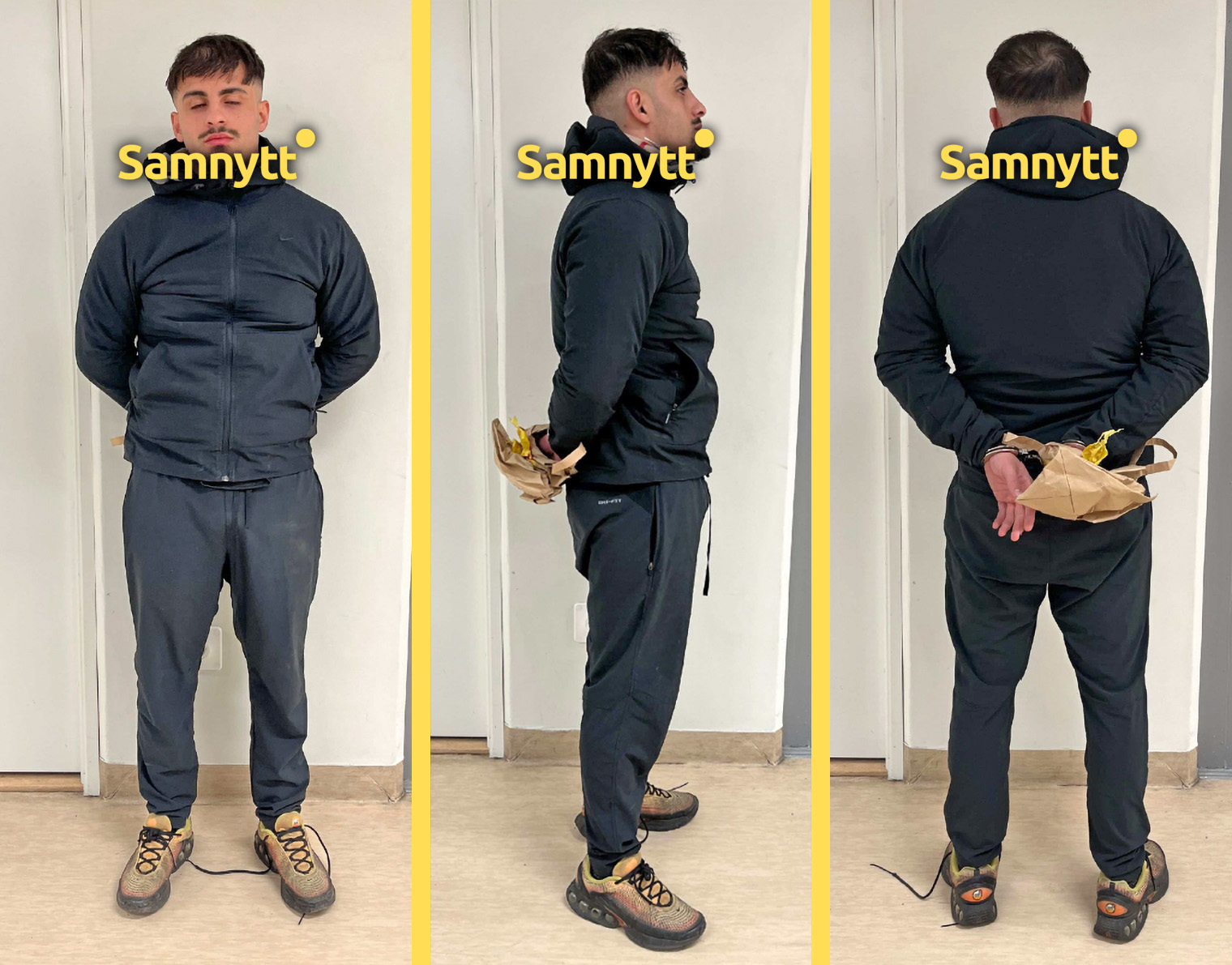
In the back seat of the car was a one-liter plastic bottle with a perforated screw cap and plastic wrap, containing about eight deciliters of gasoline. On the driver’s seat was a glass-breaking hammer with his DNA. A lighter was found in his jacket pocket. He also had two parrots in a cage.
Caught on surveillance camera
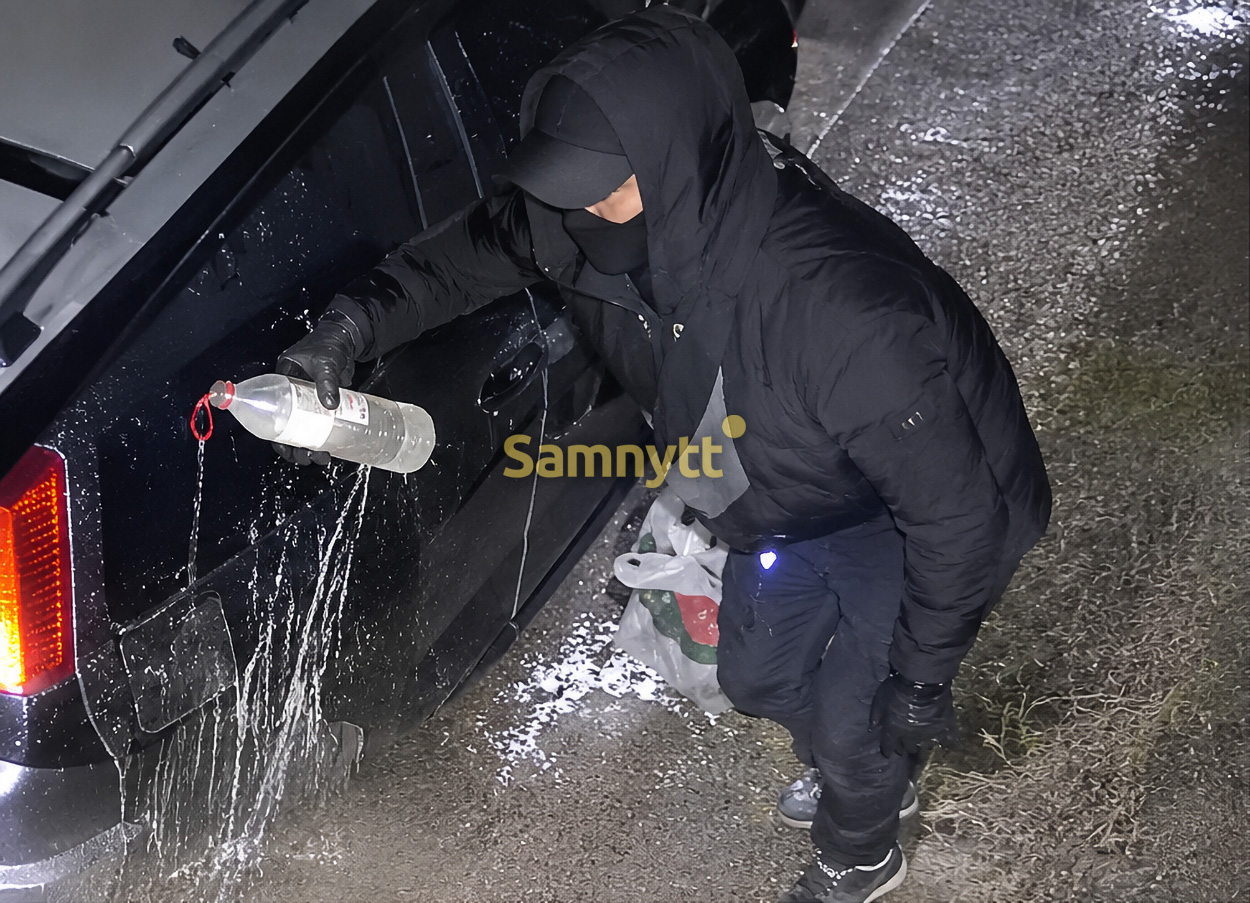
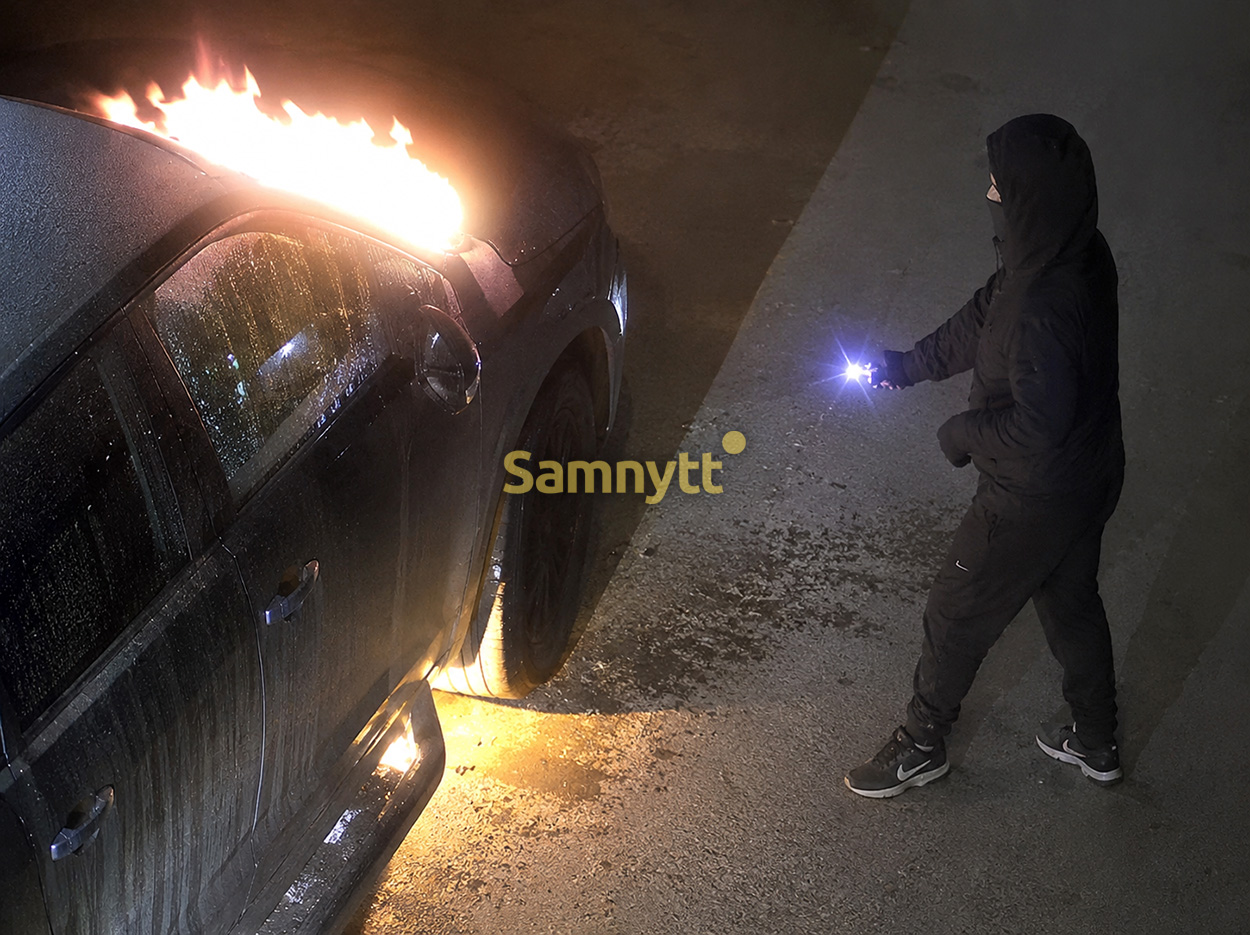
Surveillance footage from the victim’s camera showed a man dressed in black with lighter shoes pouring flammable liquid over the car, breaking the window, and setting the vehicle on fire before running to a waiting car and driving off toward the bridge to Sollerön. The time and place matched where Al-Badr was stopped.
The police technical investigation showed that one of his mobile phones had traveled from Malmö via Eskilstuna and Stockholm to Mora during the night. On the phone, there was a recorded conversation where a man says:
“If something happens, will you take responsibility?” The other replies: “I’ll take it, brother. I guarantee a hundred percent.”
The prosecutor cited this as support for the crime being carried out on assignment.
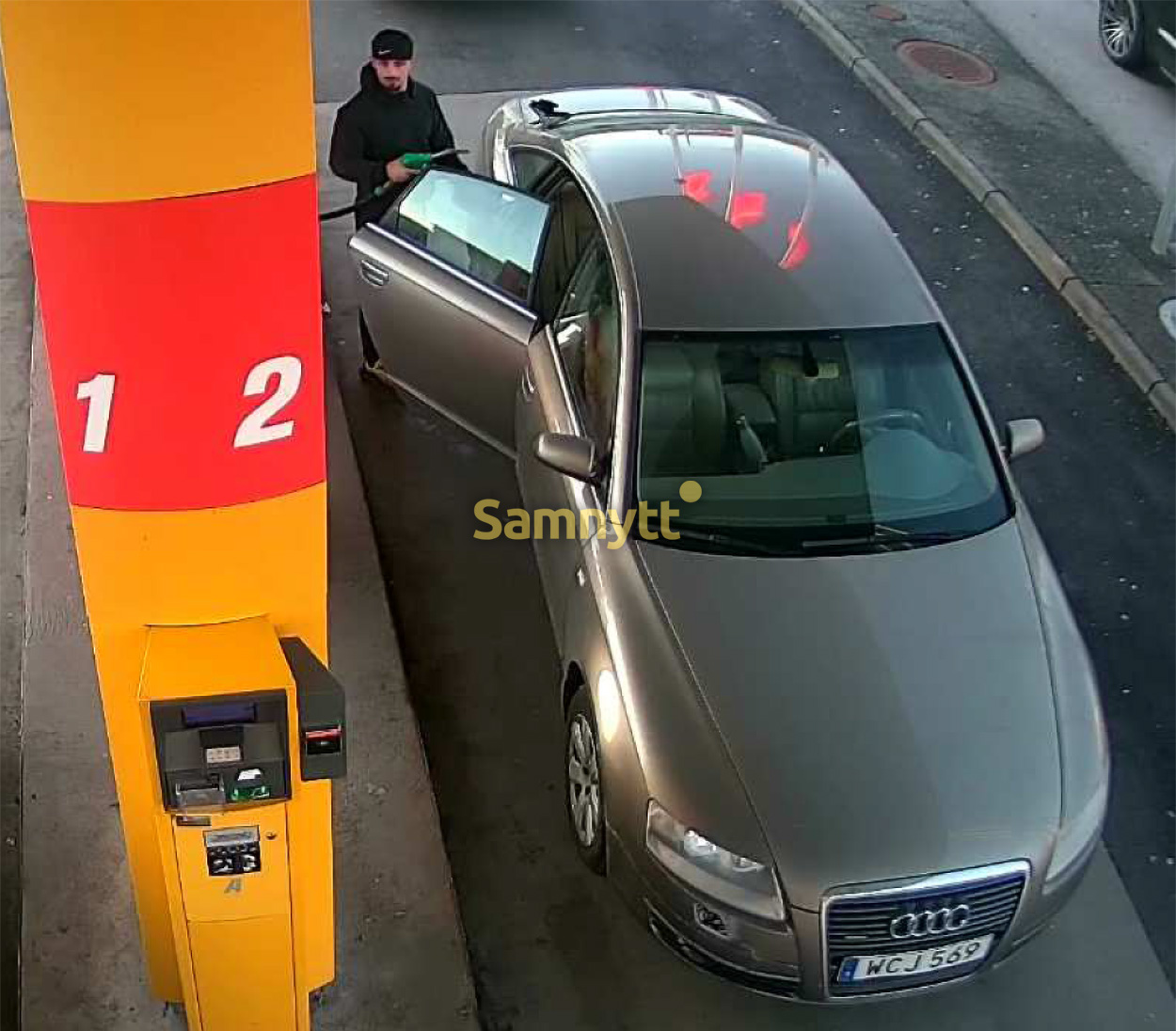
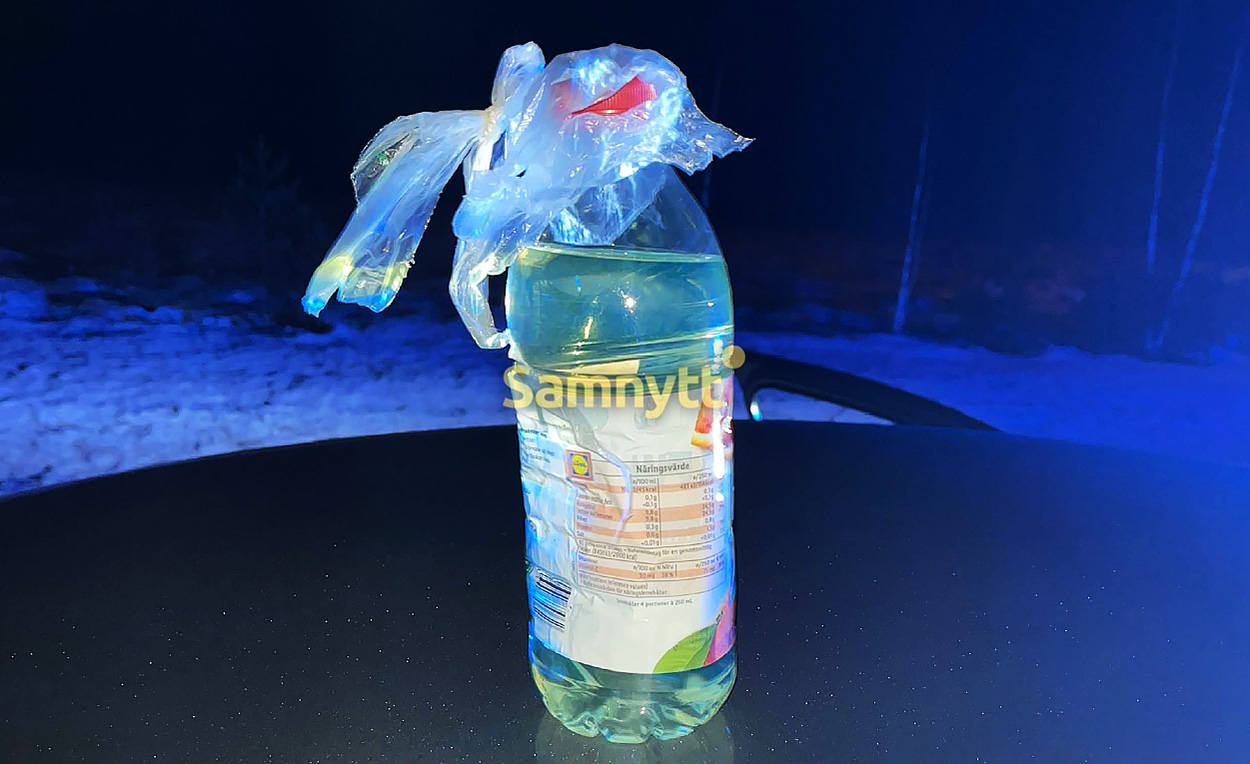
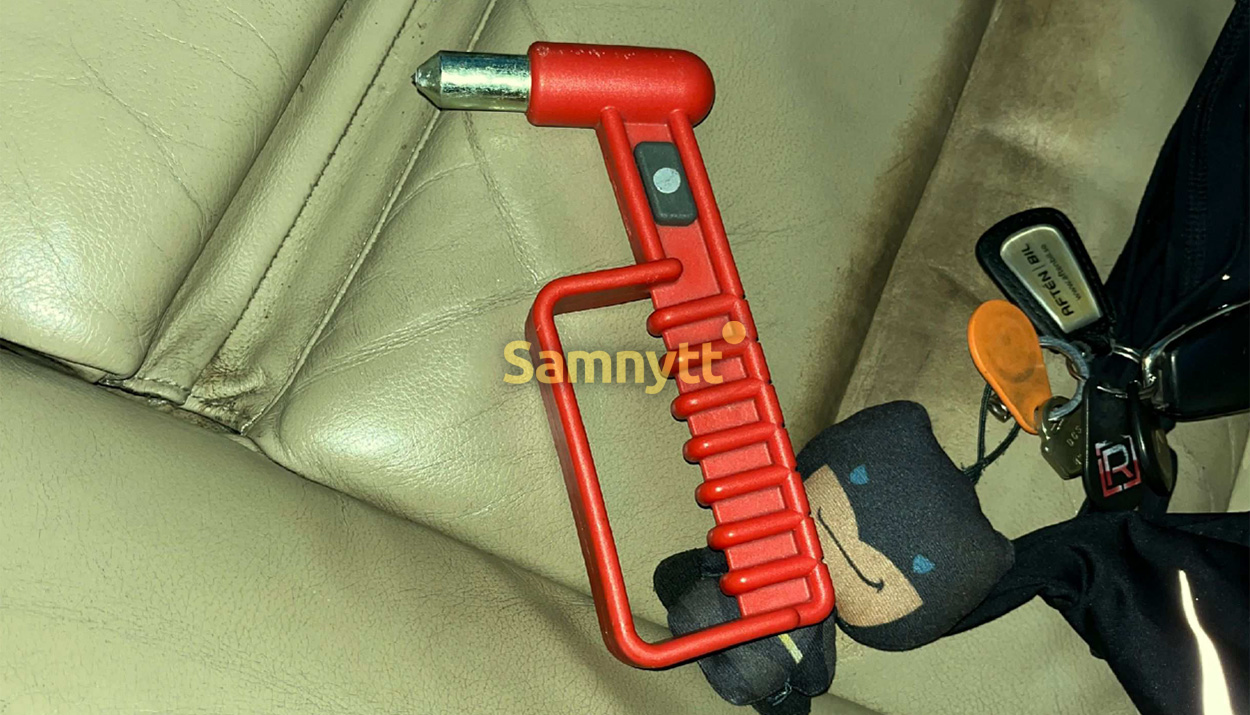
Surveillance images from a gas station the day before the incident further strengthened the evidence. These documented Al-Badr purchasing the gasoline he would later use to set the vehicle on fire.
Denied crime but evidence robust
Al-Badr denied the crime. Instead, he spun an elaborate story about selling parrots in the Mälaren region, but that the deal was postponed, so he decided to go to Mora to meet a woman he knows—without wanting to name her.
The gasoline, he claimed, was going to be used to clean the birdcage, and the smell was from a spill while refueling. In police interviews, he mostly responded “no comment” to questions about the trip, the gasoline, the hammer, the surveillance film, and the motive.
The district court found the evidence robust. It was beyond reasonable doubt that Al-Badr was the perpetrator. The sentence was three years in prison for arson. He is to remain in custody until the sentence is carried out.
He was also ordered to pay damages of just over 955,000 kronor, of which 908,397 kronor to Länsförsäkringar Uppsala for the car and towing, and 45,000 kronor to the car’s Swedish owner for violation, pain and suffering, and deductible. The glass hammer and gasoline bottle were confiscated.
From fire extinguisher to arsonist
Four years earlier, during Easter weekend 2022, Yahya Badr was at the center of a completely different story. During the so-called Quran riots—violent disturbances in several Swedish cities after Danish-Swedish politician Rasmus Paludan planned Quran burnings—the then 20-year-old Al-Badr, dubbed a theater student from Kroksbäck, livestreamed the events in Rosengård on TikTok for over 120,000 viewers.
In an article in Sydsvenskan from April 22, 2022, he described how he and his friends allegedly helped save cars from the fire, pushed vehicles aside, and threw sand on burning trash sheds. This was because “we want to do the best for our city.”
– I wanted to show that we Arabs, we refugees, that we also put out fires. We want to make a difference; we want it to stop, he said.
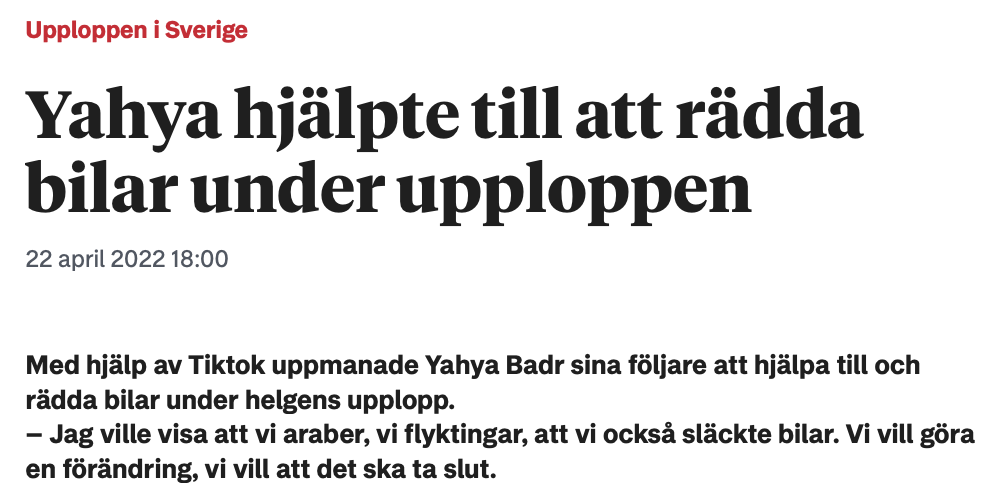
He started the hashtag #Teamyahya and urged followers to help out.
Extensive immigrant riots
The riots were severe. Around 300 police officers were injured across the country by stone throwing, Molotov cocktails, and other attacks. In Örebro, 71 police officers were injured, several police cars were burned, and at least one was hijacked. In Linköping and other towns, vehicles were set on fire and the police were forced to retreat.

A Malmö police officer present in Rosengård described it as “a complete war zone.” He denied that only gang criminals were involved: “Everyone was there.” Many children and parents took part as well.
Court of Appeal upholds verdict
The verdict against Yahya Ghassan Badr Al-Badr stands. From the media’s portrait of a young man who wanted to show that “we also put out fires” to a convicted arsonist who, according to the court, committed the act on behalf of others—without regard for others’ lives or health.
In 2022, Al-Badr was celebrated for combating car fires during riots targeting the police. In 2026, he himself is convicted for setting a car on fire on behalf of criminals, with the risk of it spreading to a residential house where people slept.
Al-Badr’s criminal record also shows previous convictions—for violent resistance, several traffic offenses, and money laundering—which occurred before the media praised him but were omitted by the press at that time.
History repeats itself
This case is not unique. After the same 2022 riots, Hani Bilal Madi, then 20 and living in the troubled immigrant area of Vivalla in Örebro, was celebrated as a model of integration. As chairman of the association ‘For the People,’ he claimed to clean up the local Sveaparken, distribute flowers to victims, and condemn immigrant violence.
He was awarded half a million kronor from the Wallenberg Foundation for his work against crime, named Young Role Model of the Year, and received significant media coverage in SVT, Aftonbladet, and Nerikes Allehanda, among others.

Two days before the clean-up, he himself had, according to a later-highlighted indictment, participated in stone-throwing at police during the Quran riots.
In March 2023, he was convicted by Örebro District Court of gross sabotage against emergency services, sentenced to three years in prison. The court found it proven that he threw stones at police and wore a mask to avoid identification.
READ MORE: Hani celebrated for involvement against Quran riots – convicted for gross emergency sabotage