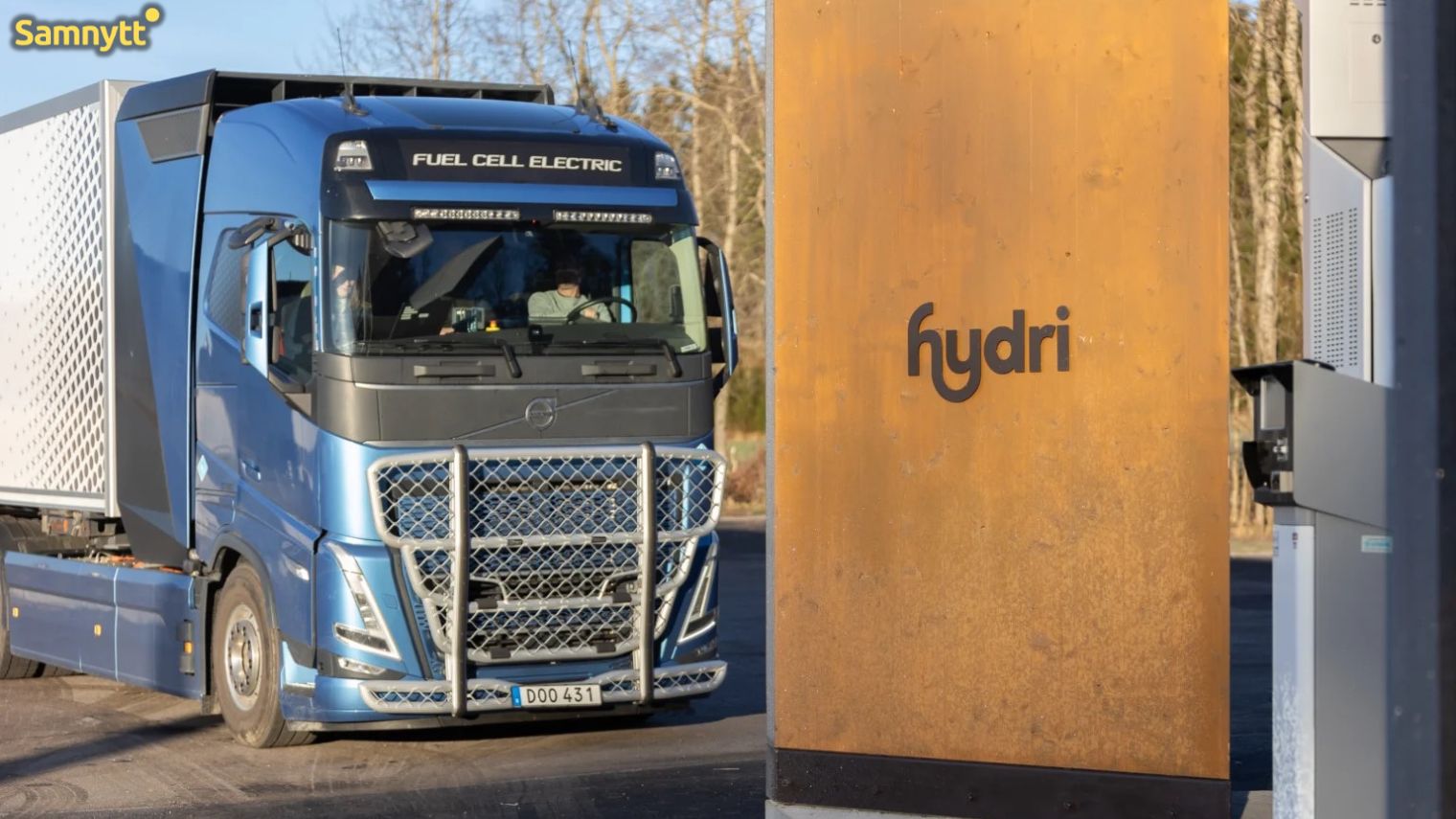
Despite there being only four hydrogen-powered trucks in commercial operation in Sweden today, hundreds of millions of taxpayers’ kronor are being invested in building out the infrastructure for the technology.
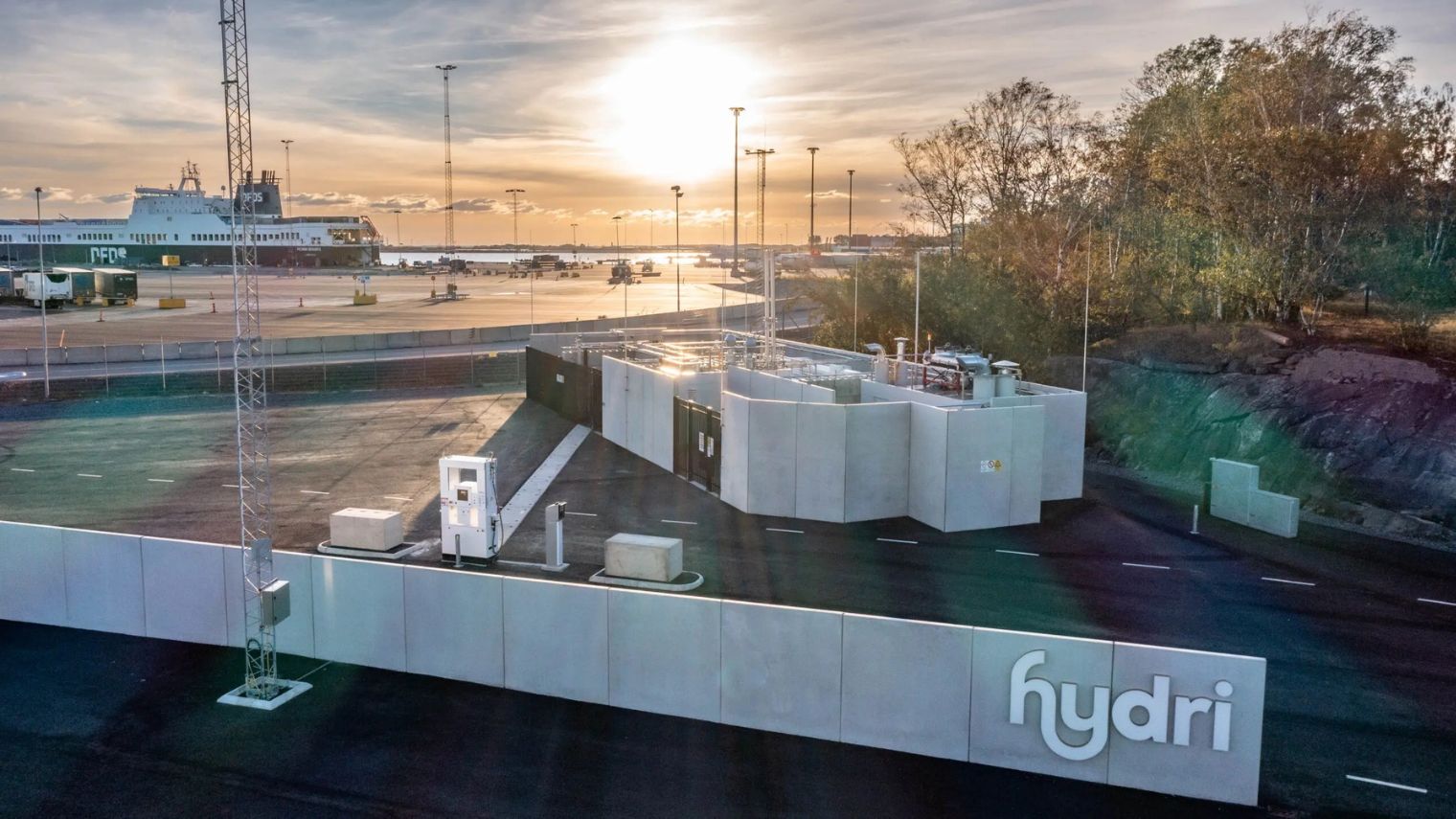
The company Hydri and its parent company have been granted SEK 190 million in support to establish a network of hydrogen refueling stations that will eventually make it possible for more haulage companies to switch to fossil-free transport.
The expansion will start with ten refueling stations in southern Sweden and will then continue northwards. The idea is to create the necessary conditions for hydrogen-powered trucks to become a realistic alternative in the transport sector, even though the market is still at a very early stage.
Currently, there are six Swedish-registered hydrogen trucks, but only four of them are in operation. Two are Scania test vehicles, and the two commercial trucks also have access to their own refueling station in Borlänge, meaning they are not dependent on these new stations.
ALSO READ: Major investment in hydrogen cars aims to ‘challenge traditional gender roles and power structures’
Hydri’s chairman of the board and CEO of Qarlbo Energy, Michel Thomas, argues that infrastructure needs to be built before the vehicles become widespread.
– The infrastructure needs to come first. Not many refrigerators were sold before the power grid was in place, he says in an interview with SVT.
According to Thomas, hydrogen will not replace battery-electric transport, but will serve as a complement in parts of the transport sector where electrification is not the most practical solution.
ALSO READ: Hydrogen-powered preschool cost SEK 85 million – is not working
The major challenge now is to get transport companies to invest in the technology. Today, the cost of operating on hydrogen is still significantly higher than for diesel, which means that demand is limited.
Companies demand government subsidies
Both Hydri and Scania believe that government incentives will be needed in the first years to make the technology competitive and to create sufficient volumes.
Of the SEK 190 million, SEK 120 million comes from the Swedish Environmental Protection Agency’s ‘Klimatklivet’ initiative, while the remainder is financed by the Swedish Energy Agency.