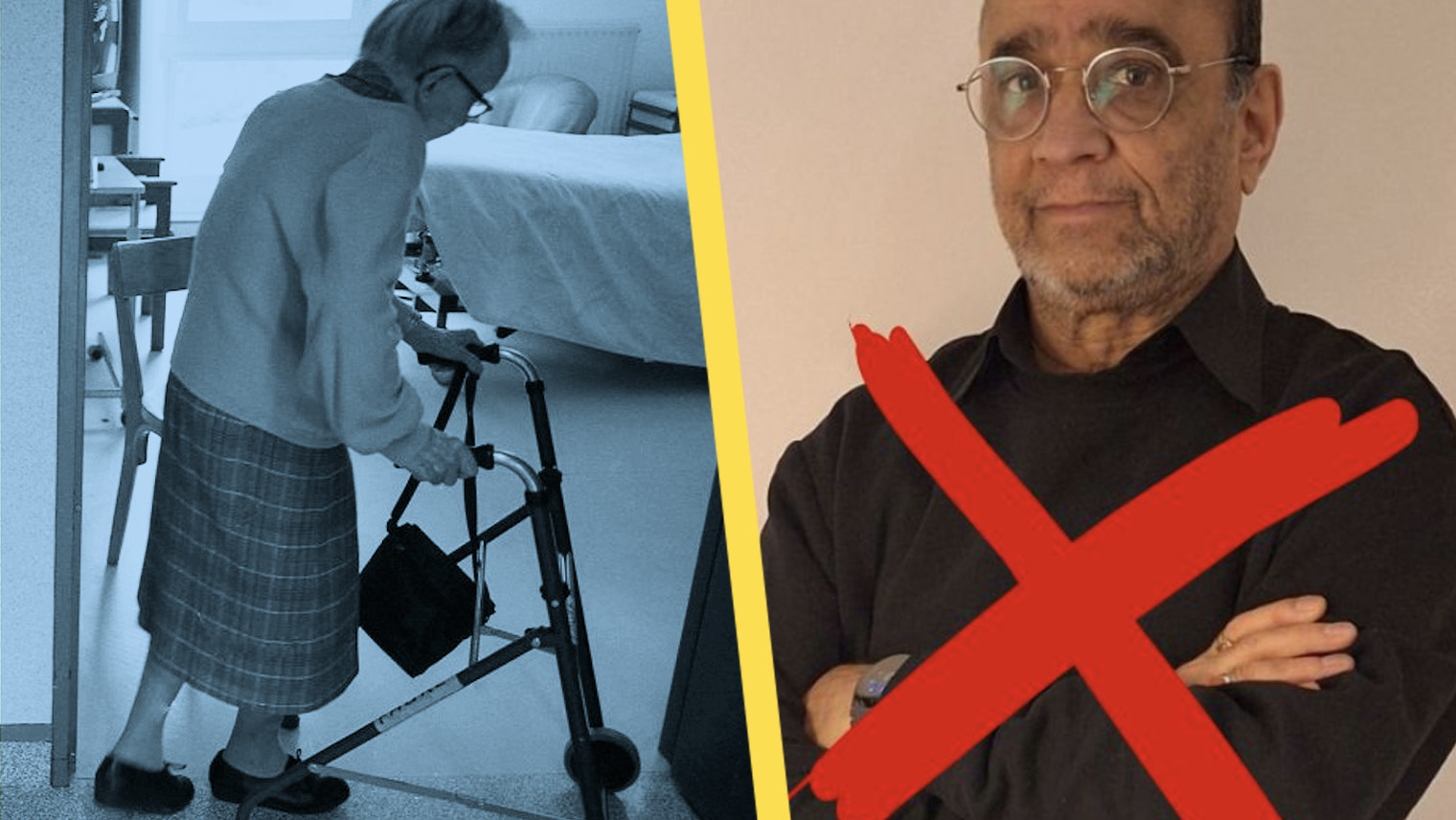
Lay judge Pran Malhotra is now leaving his position after making public statements about a high-profile rape case, in which a 100-year-old woman was assaulted by an Iraqi man working in home care. Malhotra criticized the court’s decision—where he himself participated—to halt the man’s deportation, a decision he later regretted.
The reason for his dismissal is that Malhotra, in interviews, described the court’s internal deliberations, which is considered a violation of the confidentiality obligation imposed on lay judges.
READ ALSO: New Government Judge Mohamed Halts Deportation of Home-Care Iraqi Who Raped 100-Year-Old
The case in question concerns Iraqi citizen Shakir Mahmoud Shakir, a man who worked in home care and was convicted of raping a woman over 100 years old. In interviews, Malhotra criticized the verdict and believed the offender should also have been deported. His statements initially led to his temporary suspension, and now he has chosen—or been forced—to leave the lay judge role entirely.
It is also clear that Malhotra, despite his public criticism, did not vote against the verdict in court. He did not file a dissenting opinion but formally participated in the judgement that was reached. His critique of the verdict came only after the decision had been announced.

“A Horrific Case”
The case was previously highlighted by Samnytt, which reported how Malhotra—serving as a Social Democratic lay judge—openly stated his wish for deportation to be part of the sentence. In an interview with Samnytt, Malhotra said he had actually wanted to deport the rapist.
– This is a horrific case. A one-hundred-year-old, completely defenseless woman, he said in the interview with Samnytt.
The article also raised the fundamental question about politically appointed lay judges and their role in serious criminal cases.
According to Expressen, Malhotra’s actions are now considered a breach of the lay judges’ duty of confidentiality, as internal court deliberations are protected by secrecy.
The incident has reignited debate about the structure of the lay judge system, the boundaries of public statements, and how public trust in the judiciary is affected when politically appointed lay judges act outside their role.