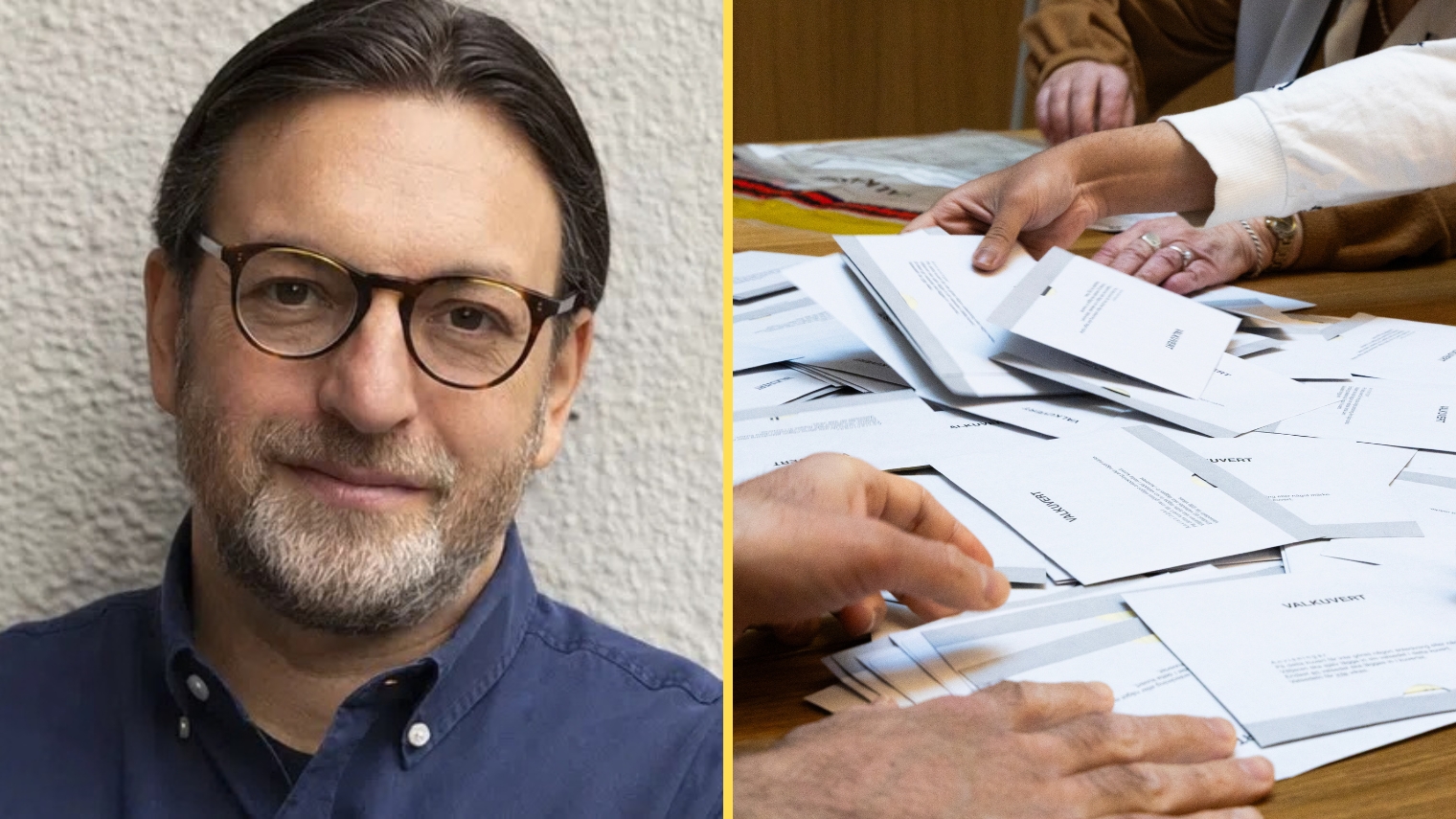
Following reports of alleged election fraud in Dalarna, the Election Review Board has received a large number of appeals. As of Tuesday, the number of complaints had reached around 1,400, and one of those who has chosen to appeal is political scientist and author Daniel Schatz. He argues that the information is so serious that it needs to be examined from an electoral law perspective as well.
The background is the ongoing investigation into suspected election fraud in Borlänge, where an unknown candidate collected hundreds more personal votes than the top candidate on the party list and at the same time appeared in a police investigation concerning suspected irregularities during the election campaign.
In an opinion piece in Aftonbladet, Daniel Schatz writes that it is not enough to investigate whether a crime has been committed. It must also be clarified whether possible irregularities may have affected the actual election result.
His reasoning is based on the preliminary investigation conducted by the National Unit against Corruption regarding suspicions of undue influence during voting.
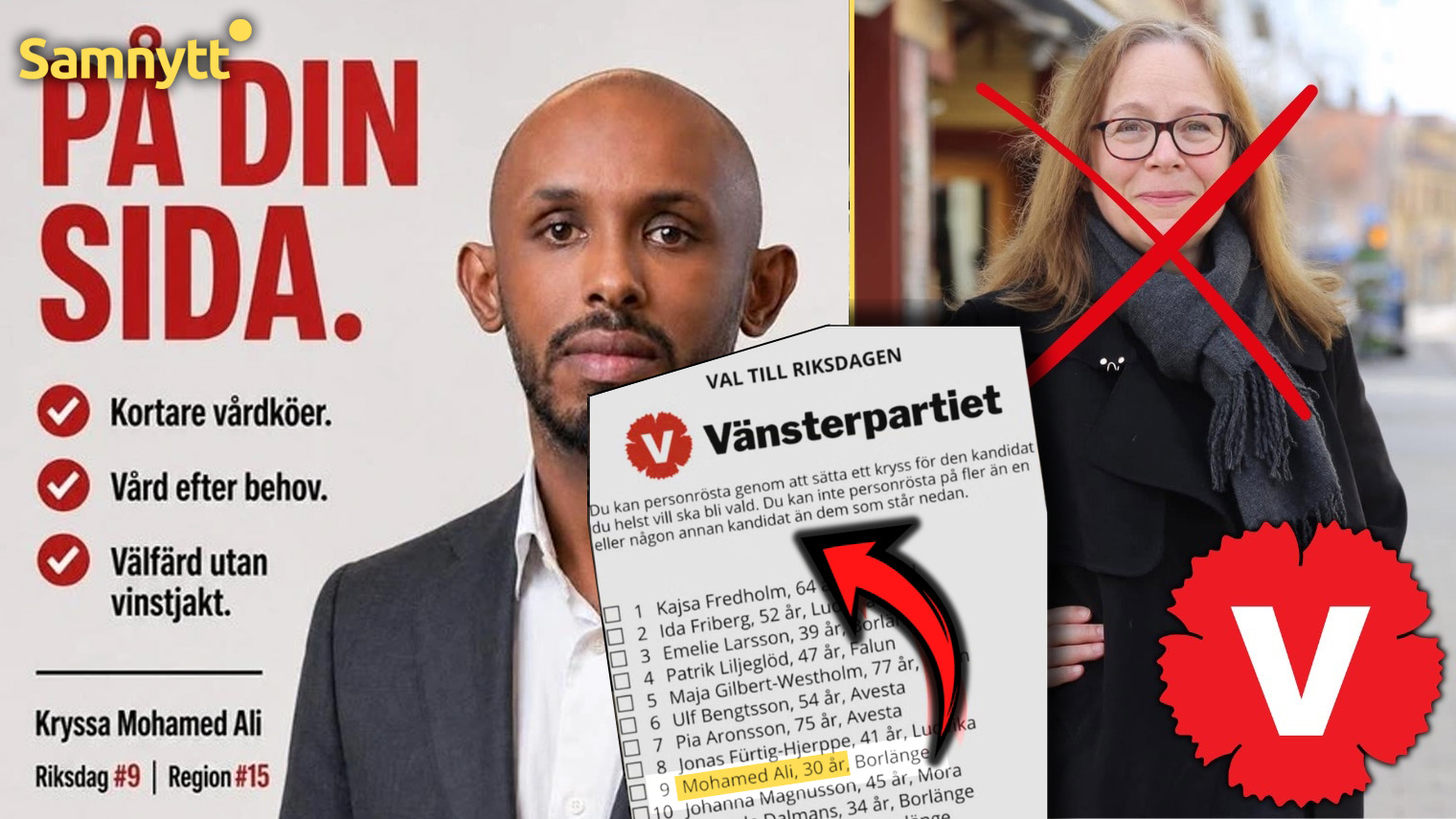
The investigation concerns the circumstances surrounding personal voting in Dalarna and how Mohamed Abdukair Ali, who was ninth on the Left Party’s list, received significantly more personal votes than a well-known Left Party candidate at the top of the list and thus made it into parliament.
Ali has denied any involvement in the suspected election fraud and is not himself suspected of any crime. At the same time, sources within the Police Authority state that the Left Party member is one of the individuals targeted by the police operation, and that he has been centrally involved in contexts under investigation in connection to the suspected crime.
The allegations concern both the shuttling of voters to polling stations and voters being provided with ballot papers that already had Ali’s name checked. There is also information that on several occasions a person has withdrawn cash from an ATM and was later seen handing out money and ballots to voters.
Handing out pre-checked ballot papers in itself is not illegal. What is decisive is whether voters have been subjected to coercion, bribery, or other forms of undue influence, the political scientist explains.
Wants the Board to Review the Case
For Schatz, the matter is about more than possible criminal liability. He believes it also needs to be investigated whether what is being investigated could have influenced the outcome of the election.
The task of the police and prosecutor is to investigate whether a crime has been committed, while the courts decide on possible criminal liability. But the issue of whether an election result has been influenced by irregularities falls under the Election Review Board.
The Board can intervene if there have been errors or undue influence in connection with an election and there is reason to believe that this may have affected the outcome. Depending on the circumstances, the Board may decide on a correction or, if the legal requirements are met, a re-election in the affected constituency.
Schatz also points out that the threshold for changing a democratic election result must be high. His argument is that an ongoing criminal investigation into suspected undue influence during voting nevertheless makes it necessary to examine whether anything could have affected the distribution of seats.
Wants to See If Methods Were Used Elsewhere
Furthermore, the political scientist believes it needs to be investigated whether similar methods may have been used elsewhere. If the suspicions in Borlänge turn out to be correct, he believes that any crimes should be prosecuted and that the consequences for the election result must be examined.
The appeal does not automatically mean that election fraud has been established. The ongoing investigation will determine if there is a basis for the suspicions, while the Election Review Board must assess whether any irregularities could have affected the election.
For Schatz, the starting point is that a parliamentary mandate is ultimately based on the votes of the electorate and that a mandate must therefore have been won through a free and fair election.
A parliamentary mandate belongs to the voters. No candidate and no party has a right to a mandate that has not been won in a free and fair election.
It is on this basis that he has now chosen to appeal the parliamentary election.