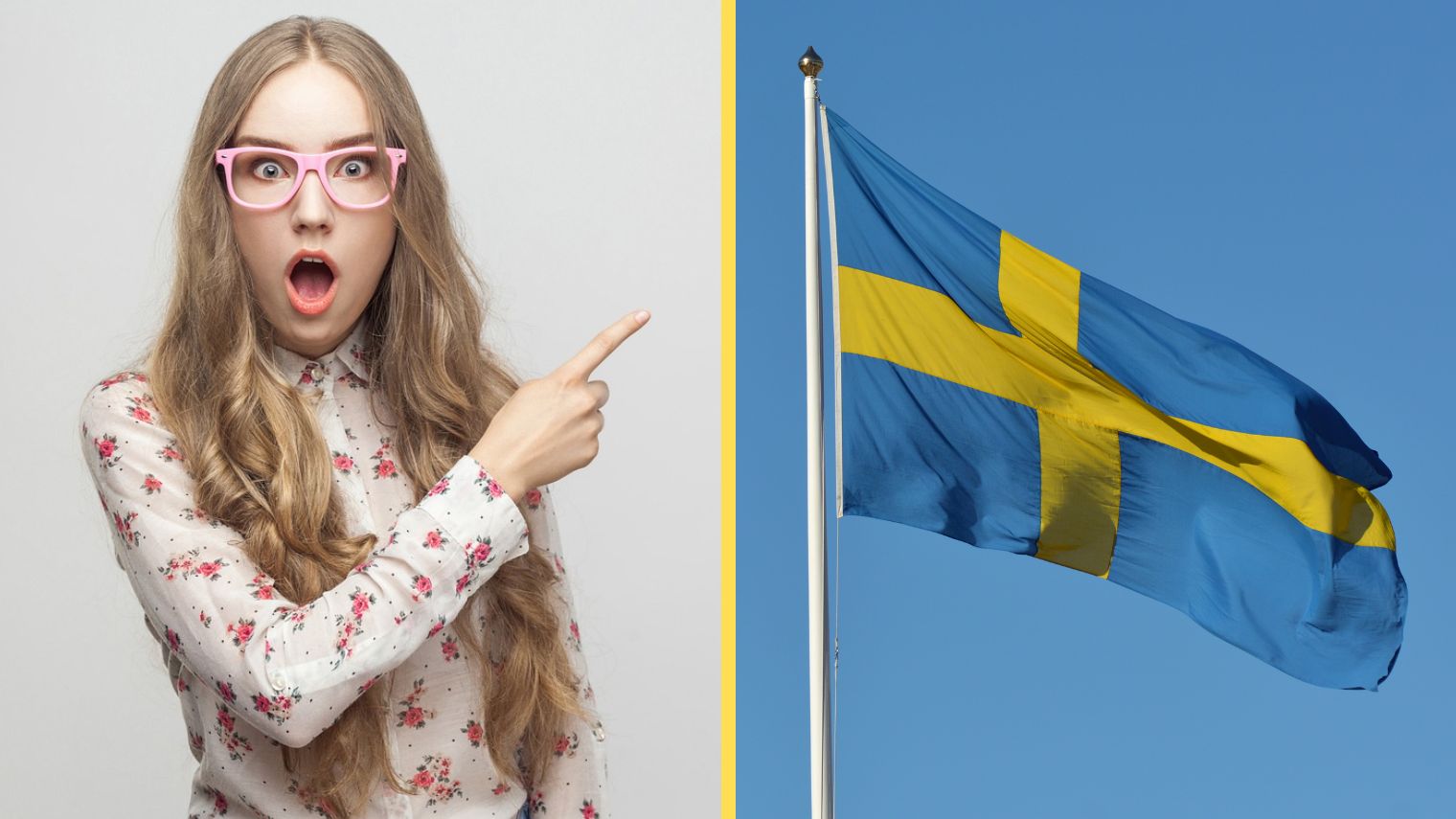
In a Swedish-Danish study, participants answered questions about national identity. In some of the surveys, the questions were accompanied by the country’s flag. The researchers wanted to see if the flag would affect how participants responded—and the answer was yes, especially among the Swedish participants.
Unlike many other countries, the flag in Sweden is something sensitive and almost frowned upon, periodically sparking debate. Just looking at neighboring countries is enough to find societies with a far more relaxed attitude toward both the flag and the nation, as well as national pride.
How are we affected by seeing the Swedish flag? This is what researchers at Uppsala University wanted to investigate through an experiment. 1,200 participants in Sweden and 1,200 in Denmark answered questions in the same survey, but in some of these, participants were also shown a picture of the country’s flag.
The aim was to find out whether the presence of the flag affected how participants responded. Above all, they were interested in the question of how people would feel if a family member married a supporter of one of the parties represented in parliament.
− We saw that those who saw a picture of the flag were less likely to want to keep a social distance from their political opponents. Our interpretation is that the flag reminded them of their shared Swedish identity. And this happened even though a large portion of the participants later claimed in the study that they hadn’t even noticed the flag, says Gina Gustavsson, Senior Lecturer at the Department of Political Science at Uppsala University.
Soothing Effect
The experiment with the flag was carried out in several different ways, where one version of the survey included a picture of the national flag, and another showed a small flag on a cake. The responses from participants who saw the flags were then compared with control groups who did not see a flag at all.
In the Swedish group, both the cake flag and the regular flag seemed to have a soothing effect on how bothersome participants felt it would be if a family member married a political opponent. In the Danish panel, the effect was not as clear-cut.
− Being Swedish tends to be linked to a consensus and a willingness to compromise. But in Denmark, there is a stronger tradition of Danishness being contrarian and having different opinions. The fact that we see differences could also be due to the Danish flag being much more common in Denmark—so common that it doesn’t have any impact, says Gina Gustavsson.
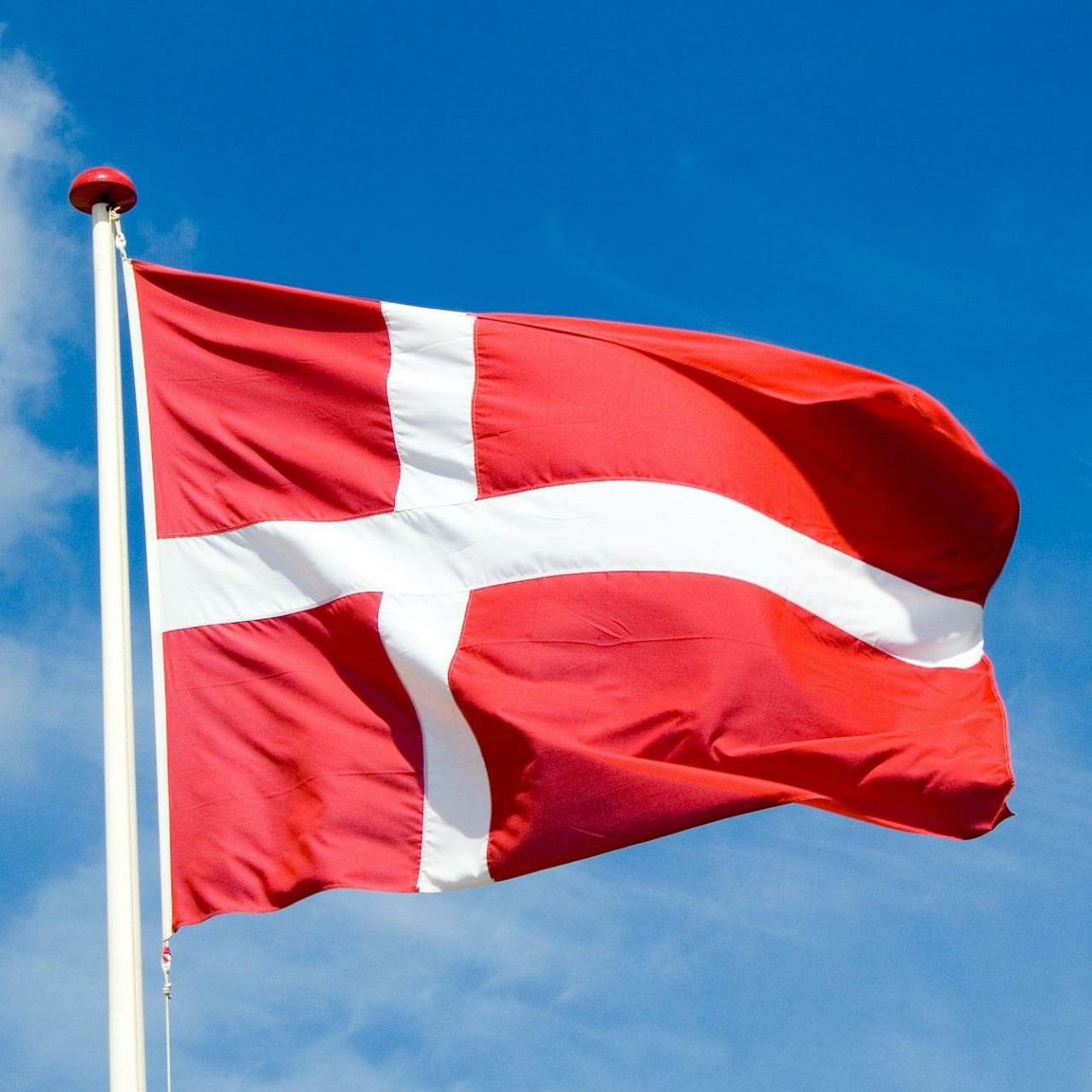
The researchers also wanted to examine the flag’s effect on affective polarization—that is, attributing negative qualities to political opponents.
– It isn’t inherently problematic for people to have different ideological views. But affective polarization is more severe. Research shows that it is linked to increased acceptance of political violence and questioning of election results. For example, many people argue that the storming of the Capitol is an expression of precisely this kind of affective polarization.
Increasing Tolerance Is Possible
The fact that the Swedish flag in this study seemed able to reduce participants’ aversion to political opponents, they argue, shows that it is possible to increase tolerance.
− The Swedish flag, even if it is small and we don’t wave it very often, can actually have a unifying effect. We saw how its presence actually decreased affective polarization. This shows that polarization is not necessarily permanent—sometimes it’s enough just to be reminded of what we have in common.
SEE ALSO: Expressen Profile Wants to Change the Swedish Flag: “2 Million Foreign-born Live in Sweden”