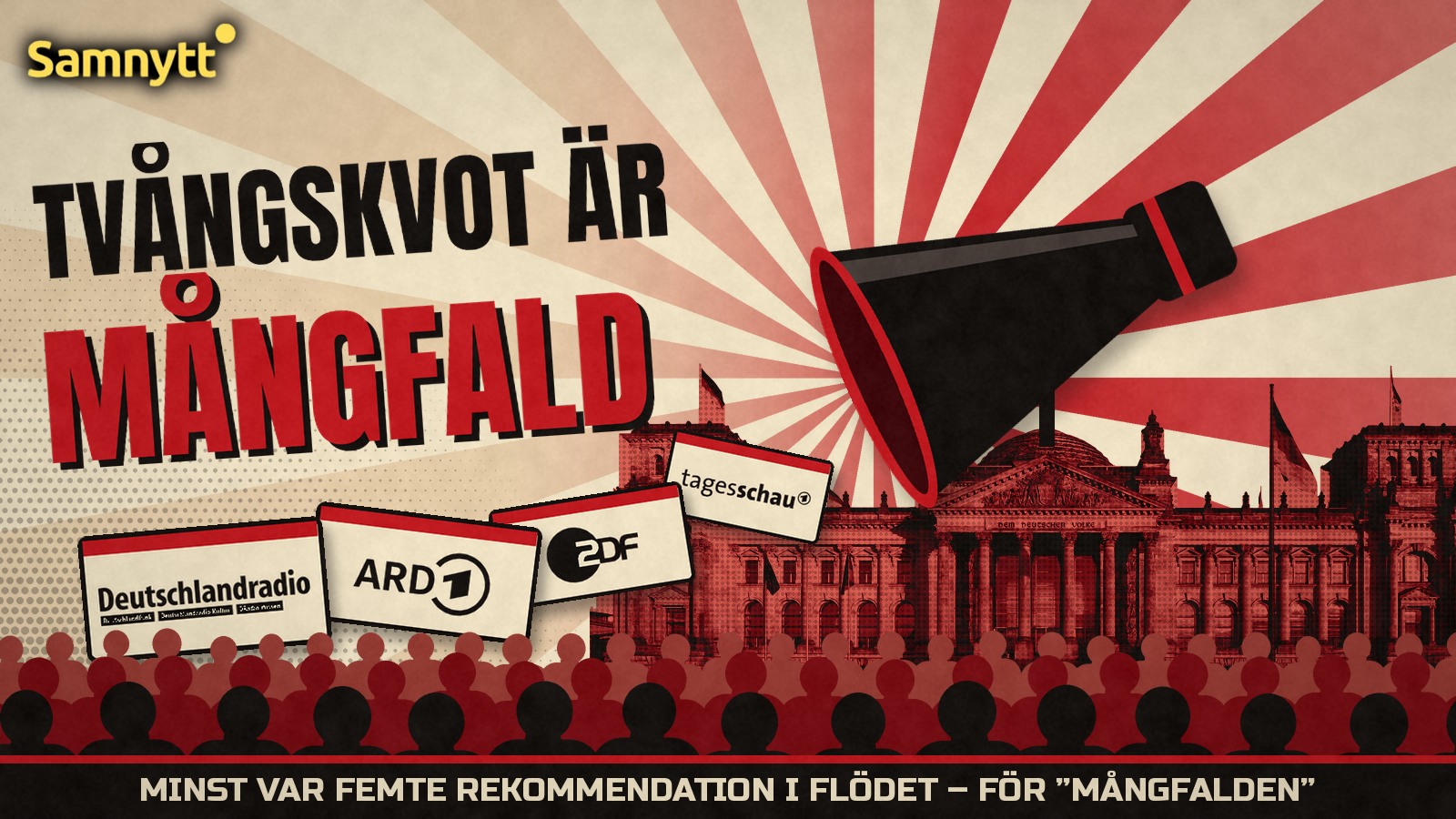
In Germany, citizens are to receive greater diversity of opinion on social media. This will be achieved by politicians legislating which news media should be highlighted in residents’ feeds. According to a new proposal, at least one in five algorithm-driven recommendations should come from a specially selected group of media. The public service giants ARD and ZDF will automatically get priority in the system, with statutory and thus mandatory news recommendations. Private media must be reviewed and approved by the media regulatory authorities.
The proposal is backed by Germany’s 16 federal states, which through their joint broadcasting commission want to change the country’s media legislation. The purpose is described as strengthening journalism and protecting diversity on digital platforms.
However, the solution also means that politicians want to introduce a statutory quota with mandatory media, giving certain actors greater visibility in citizens’ feeds.
According to the German daily Berliner Zeitung, at least 20 percent of algorithm-driven recommendations must be drawn from media assessed as having particular value for diversity. This may include, for example, articles and video clips recommended on platforms such as X and Instagram.
However, the proposal does not mean that exactly every fifth post must come from public service; the quota includes a larger group of qualified media.
SEE ALSO: The German government bans the country’s largest alternative media outlet
Perhaps the most striking part is that the public service companies ARD, ZDF, and Deutschlandradio will automatically be included in the system. Private media, however, must as a general rule apply for the same status and undergo scrutiny by the country’s media regulatory authorities.
This means that the already publicly funded media giants gain yet another competitive advantage over private actors, especially smaller media houses and alternative outlets that are more reliant on advertising revenue and subscriptions to finance their journalism.
Regulators to Review Media
The authorities will, among other things, assess—or rather review—the media’s news coverage, own journalistic production, editorial resources, and regional reporting. They will then determine whether the operation meets the established criteria for what the authorities consider journalistic diversity.
SEE ALSO: 8 out of 10 Germans dissatisfied with Merz – AfD surges in polls
This is also one of the objections raised by Berliner Zeitung. A large newsroom can produce a substantial volume of journalism without necessarily offering very many different perspectives. At the same time, a smaller news outlet may contribute investigations and information that the established media do not highlight.
Intervention — But Claimed to Strengthen Journalism
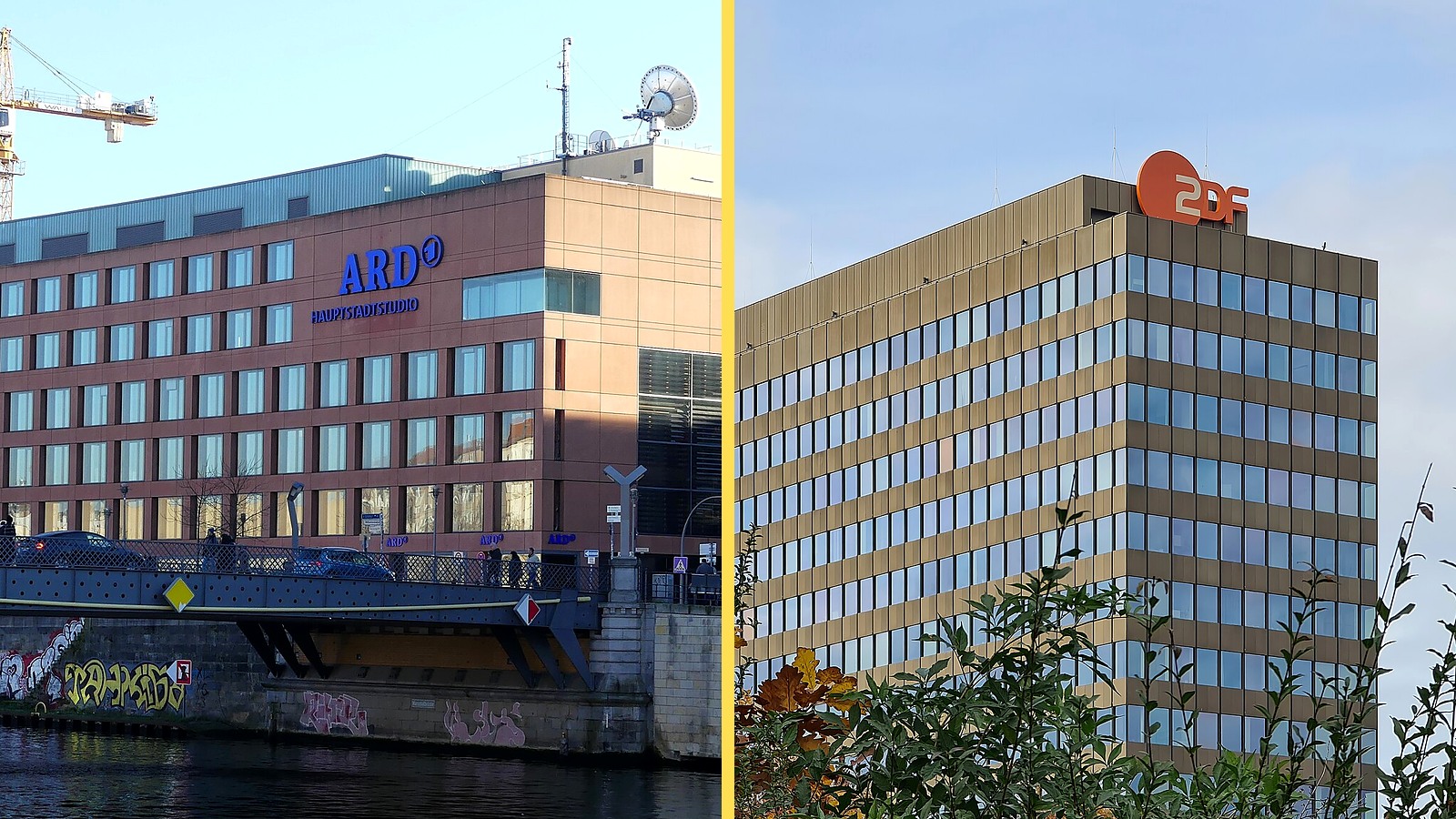
According to the German news site NIUS, the states’ broadcasting commission justifies the proposal by saying journalistic content risks being crowded out by social media algorithms. Through the new quota, specially selected media would be guaranteed greater visibility.
The reason for setting the limit at exactly 20 percent is explained in part by the fact that this share roughly corresponds to the amount of advertising in social media feeds. As examples of content that may benefit, the article mentions items from Tagesschau, Germany’s equivalent to Sweden’s Rapport and Aktuellt.
SEE ALSO: Success for AfD and disaster for CDU – ousted from state parliament for the first time
The commission admits, according to reporting, that the regulation constitutes significant intervention in the media market, but believes this is justified in order to strengthen journalism and diversity.
The proposal has been submitted for public scrutiny and the consultation period runs until November 13. After this, the German states must agree on the final design and get the agreement approved by all state parliaments before the rules can come into force.
Diversity to Be Guaranteed from Above
The proposal raises a fundamental question about who should decide which media deserve greater dissemination. In a country with experience of state media control during the GDR era, the question of political influence over the flow of information is particularly sensitive.
There is also an almost Orwellian contradiction in the very premise. In order to guarantee citizens greater diversity of opinion, politicians want to legislate which media should be given more room in their news feeds.
In other words, diversity is to be guaranteed from above through a politically regulated system where authorities decide which media should be favored.
SEE ALSO: German SPD minister broke the law when alternative media was banned