Swedish Banks Shut People Out - MP: "We're Getting Closer to China"
Sweden Democrat MP David Perez warns that banks closing accounts without explanation are creating second-class citizens. His party is now filing a motion on the right to a bank account.

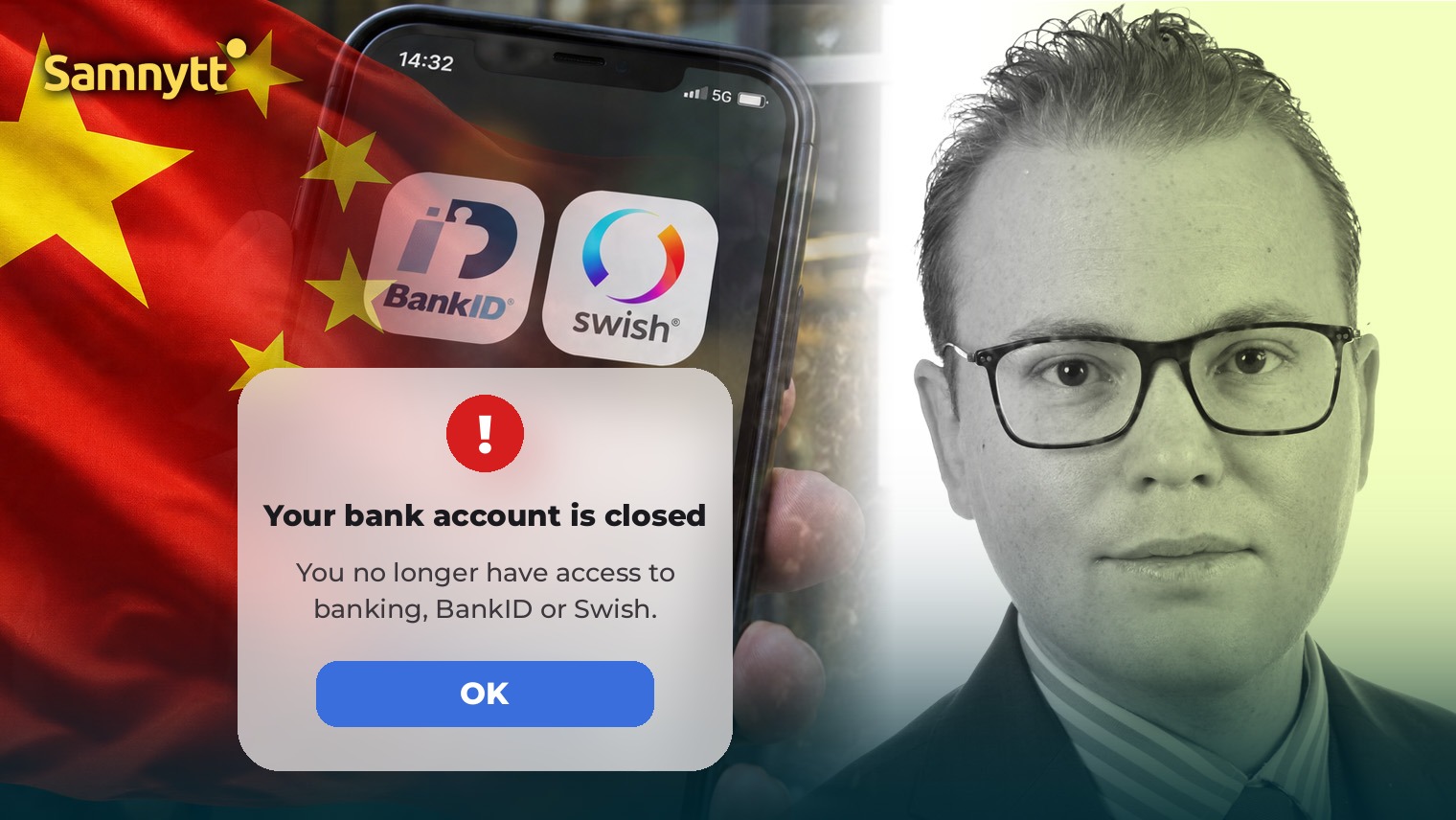
STOCKHOLM - Banks in Sweden are turning some customers into second-class citizens, a senior Sweden Democrat MP warns. They shut accounts without saying why, and he compares where it is heading with China.
David Perez, who sits on the Swedish parliament's finance committee, told Samnytt that his party is now filing a motion in parliament on the right to a basic bank account.
In Sweden, a bank account is far more than a place to keep money. BankID, the digital ID run by the banks, and the mobile payment app Swish have become close to essential for paying bills, dealing with public authorities and getting by in an almost cashless society.
Cut off without explanation
Private individuals, companies, media outlets and political organisations can have their banking terminated, sometimes without a word of explanation. The banks point to anti-money laundering rules and their duty to fight financial crime.
Critics say the rules hand the banks far too much power and leave customers with little legal recourse.
Even when a bank has lost in court for refusing someone an account, it has sometimes found a way around it. The customer gets an account, but without BankID or Swish. On paper the bank has done its duty. In practice the customer is still locked out of much of daily life.
"If you can't get a bank account, you become a second-class citizen," Perez said. "Even if you are just thrown out of your bank, it can be very hard to take care of your public obligations online."
"It's not the banks' business what you think"
Perez says banks must be able to fight financial crime, but that this cannot become a licence to judge customers' political views or how they live.
"That they do it arbitrarily and don't explain why they shut someone off, we find that pretty deplorable," he said.
"We have a constitution that is very clear that we have freedom of expression and freedom of the press. It doesn't matter what opinions you hold. It must not matter for the right to a payment account."
He stresses that investigating crime is a job for the justice system, not for banks.
"That is the police's responsibility. It is not the bank's. We are all innocent before the law until convicted. So it is very strange to judge people in advance. Then we start getting closer to China."
Whistleblower at Nordea
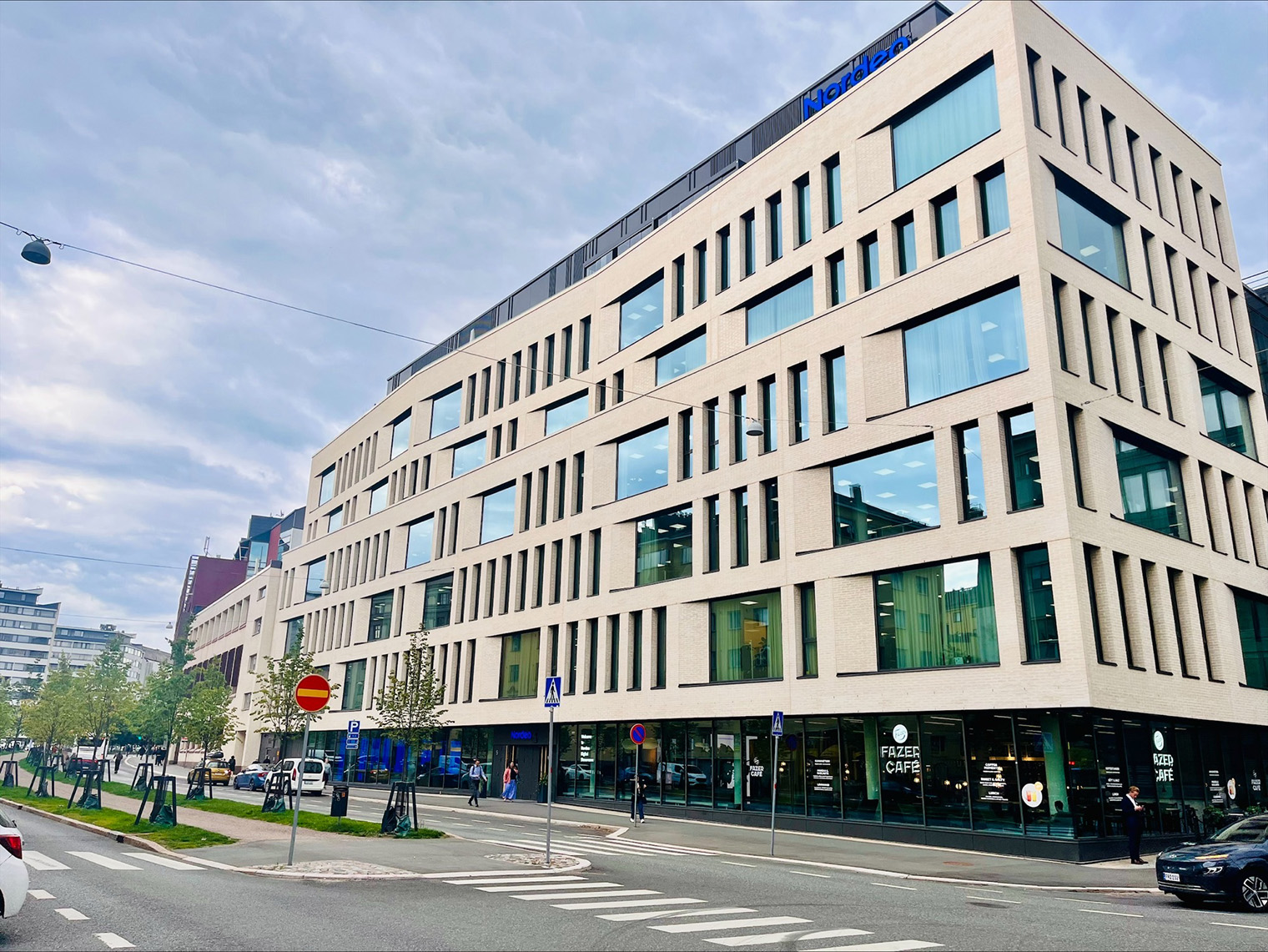
Samnytt reported earlier this year on a whistleblower at Nordea, the largest bank in the Nordics, who described internal training material in which payments to alternative media were listed among possible warning signs in the bank's risk assessments.
Perez says the Sweden Democrats had earlier raised political profiling with the Swedish Bankers' Association, which flatly denied that any major bank did such a thing.
"They claimed that no big bank was doing this. Then we found out that it was actually Nordea, I think it was, that used this training material."
He has been on the receiving end himself. "I have actually been refused by the banks myself. So I know very well how hard it can be," he said. "I have no sympathy for the banks, I can tell you."
"We shouldn't have apartheid here"
Newer players such as Revolut and Lunar are challenging Sweden's big banks. Perez welcomes the competition, but not a system where people with certain views are sent off to certain banks.
"That's not how it should be, that we have an apartheid here. That some get to go to some banks and others don't. Everyone should be welcome as long as they behave as customers and follow the bank's rules. Opinions shouldn't matter."
He fears things may get worse as the EU tightens its anti-money laundering rules, and says the fight must also be taken to Brussels.
Party backed down earlier this year
The issue is not new. In spring 2026, parliament's finance committee rejected motions to strengthen access to banking services. The Sweden Democrats went along with the committee, even though the question had been raised within the party.
Perez explains that the Social Democrats had tabled a reservation, but supporting it would have meant sending a demand to the government, which he called odd given the Sweden Democrats' cooperation deal with the outgoing right-wing government.
Written reasons and a right of appeal
Now the party is changing course. "We will present a committee motion now on the right to a payment account. And then we will debate this issue in the Swedish parliament," Perez said.
He wants customers who are turned away to get a written explanation, and a chance to take the decision further, for example to the National Board for Consumer Disputes or another reasonable body. He has not yet settled on how such a review should work.
He also welcomes the work on a state-run electronic ID as an alternative to BankID, which would make Swedes less dependent on the banks' own systems.
"If you are shut out of the banks, you become a second-class citizen. And it is not reasonable in Sweden in 2026 that we have second-class citizens."
Jonas Andersson · Political Columnist
Jonas Andersson is a political columnist at Samnytt, writing on Swedish politics, the media, and the post-election crisis in Stockholm.
Follow @SamnyttNews on 𝕏 ↗