Sweden's New NATO Road Signs Show a Russian Tank
To prove it is ready to move allied armour, Sweden put up NATO-standard military bridge signs in the far north. The tank silhouette turned out to look like a Russian T-80, and the signs are already coming down.

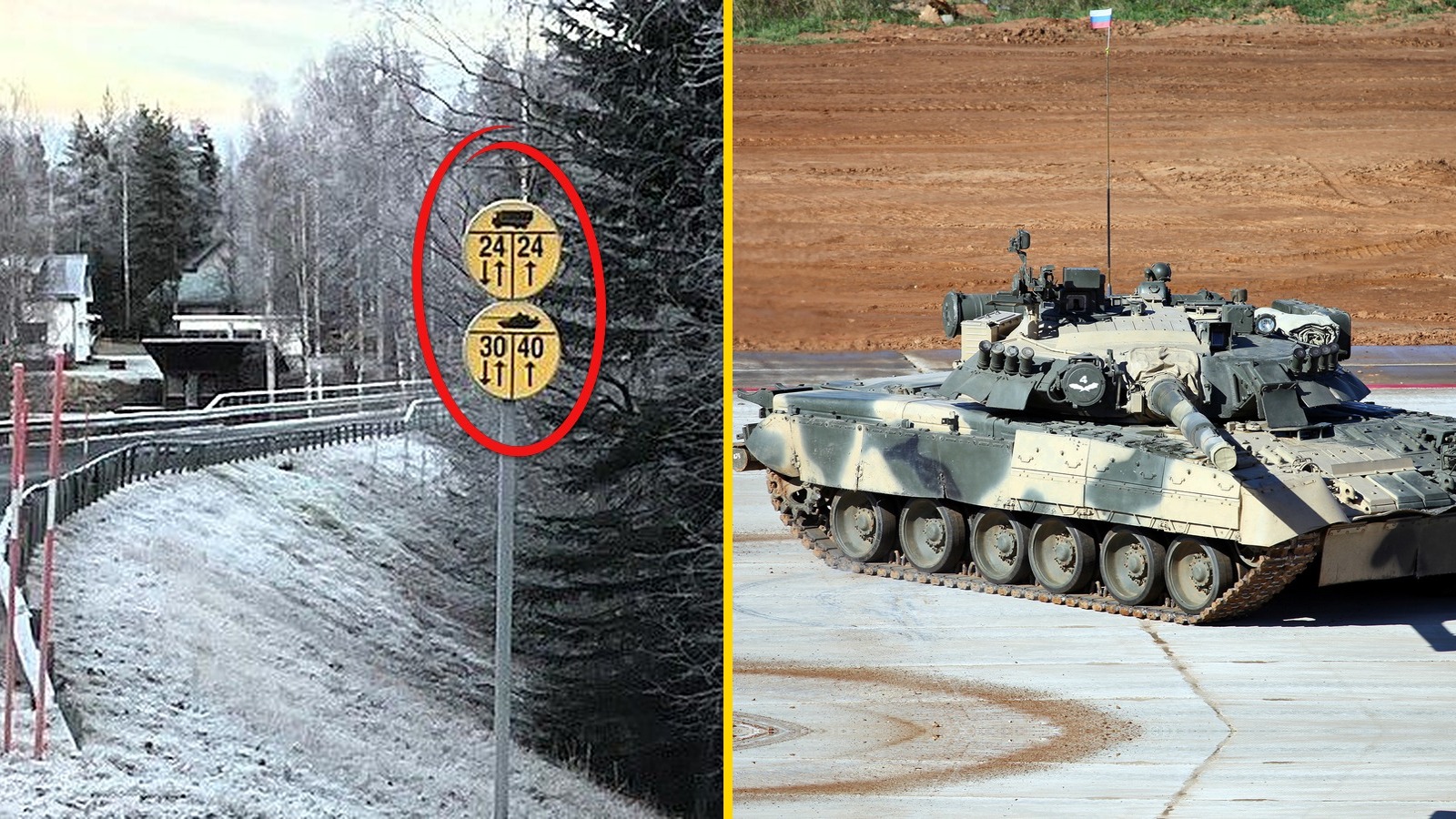
BODEN - Sweden wanted to show NATO it is ready to move allied armour across its roads. So the military had new bridge signs put up in the far north. The tank on them looks like a Russian T-80.
The same day the Swedish Transport Administration announced the signs, the decision was taken to pull them down again.
The signs went up in recent days at seven bridges along a 70-kilometre stretch of road 356 between Boden and Morjarv in Norrbotten, Sweden's northernmost county. They are known as MLC, Military Load Classification, signs and show how heavy a military vehicle each bridge can take. One shows a truck, the other a tank.
Part of Sweden's NATO role
The pilot project was ordered by the Swedish Armed Forces. As a NATO member, Sweden is a transit and host nation, and foreign units may need to move along Swedish roads and over Swedish bridges.
"MLC signs will make it easier to plan military transports and judge which bridges can be used. That adds to Sweden's ability to receive and move international military forces," said Kristian Roll of the Armed Forces' logistics command.
Sweden's own load-class system is not used internationally and does not suit a military context, the Transport Administration said, promising more state bridges would get MLC signs in the coming years.
"Looks very much like a T-80"
It was Lieutenant Colonel Joakim Paasikivi who pointed out to Svenska Dagbladet that the silhouette looks like a Russian T-80.
Roll confirmed the blunder. The icons were meant to show a generic tracked vehicle and a wheeled one. "Now we have seen that one of them looks very much like a T-80," he said.
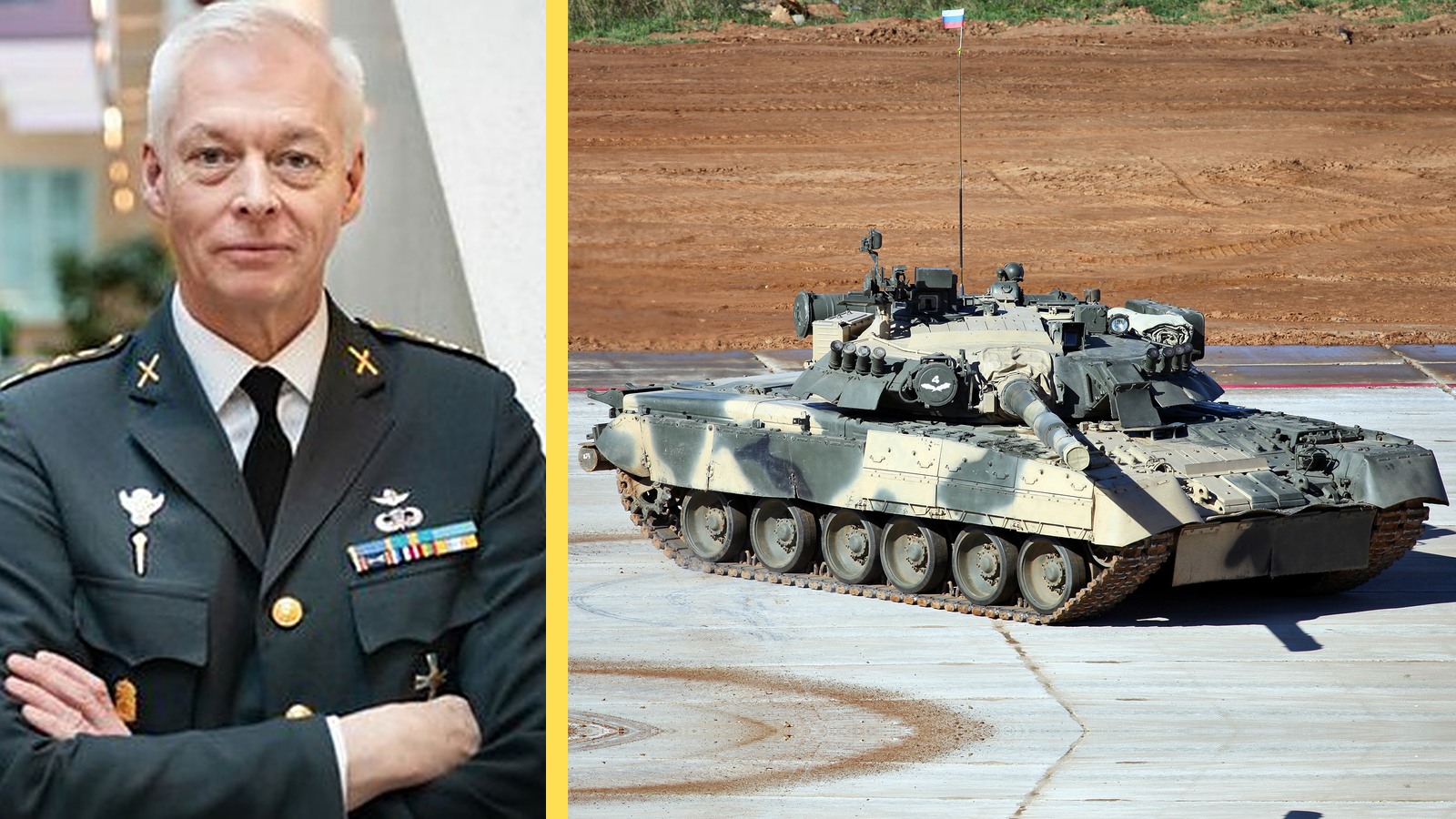
NATO's guidelines say a mechanised vehicle should be shown, but not exactly what it should look like. The signs are now coming down, to be replaced with a more generic tank.
Blamed on "the human factor"
"It is most unfortunate that we did not check in more detail which silhouette was chosen. It's the human factor," Roll said.
Paasikivi noted dryly that the Russian tank is lighter than the ones used in the West. "Maybe you shouldn't size things for the invading army," he said.
He would rather have seen Europe's most common tank, which Sweden also uses: a version of the German Leopard. The Stridsvagn 122 is Sweden's standard tank, and an order has been placed for the Stridsvagn 123, essentially the same vehicle with a longer gun.
Samnytt News Desk · Stockholm Newsroom
The Samnytt Newsroom in Stockholm reports on Swedish courts, migration, energy policy, and Nordic affairs under Responsible Publisher Simon Kristoffersson, Senior Columnist Mats Dagerlind, and Executive Director Kent Ekeroth.
Follow @SamnyttNews on 𝕏 ↗