EU Pushes Six-Month Wind Farm Permits - "We Need Central Planning"
Brussels wants wind and solar farms approved within six months, with silence from the authorities counting as a yes in some cases. Sweden's parliament unanimously objected, but the final negotiation on the law is set for Tuesday.

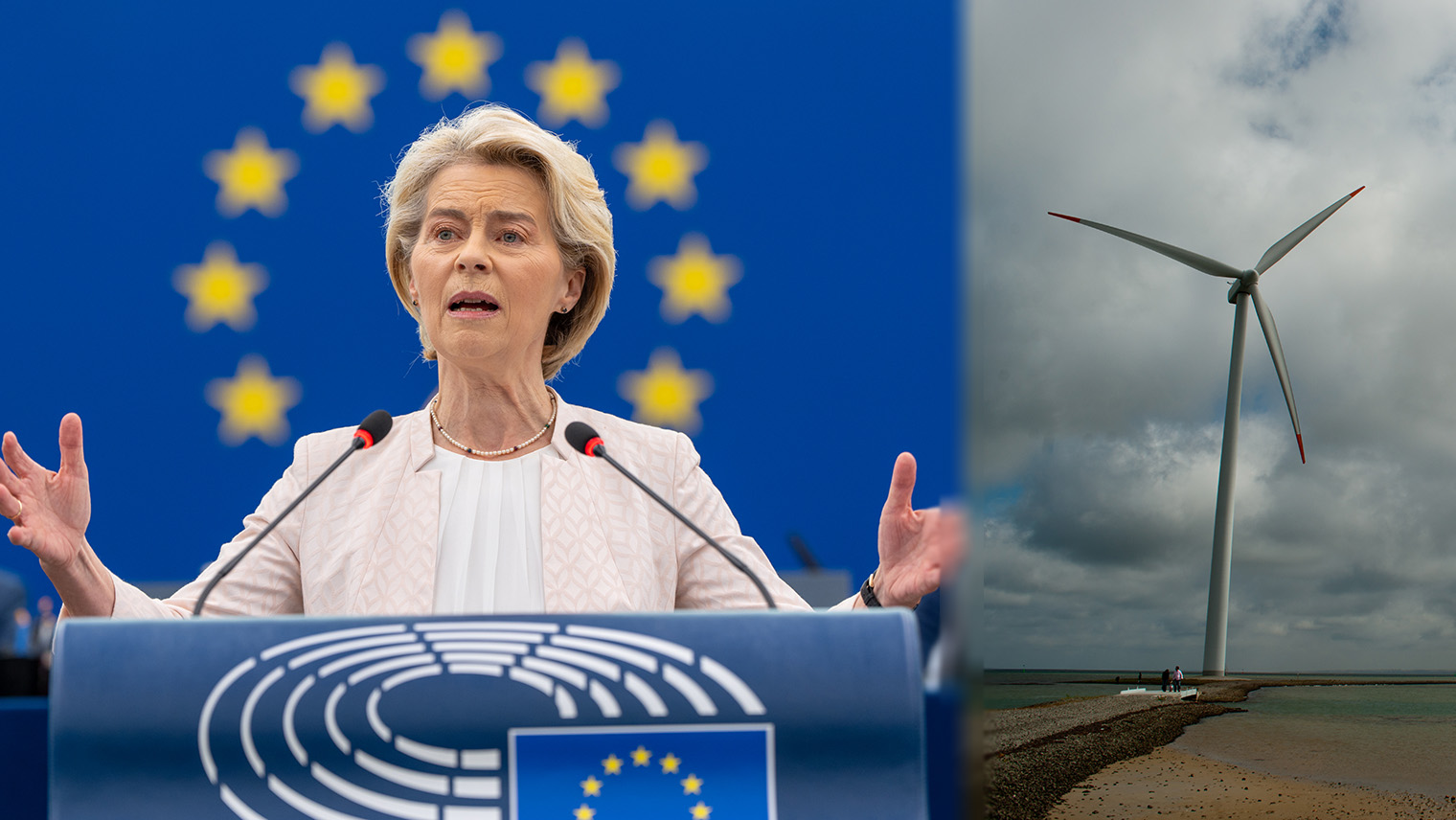
BRUSSELS - In Sweden, a municipality can still say no to a wind farm on land. But on Tuesday the EU holds what is meant to be the final round of talks on a new rule for faster permits.
Energy Commissioner Dan Jørgensen wants approval times cut to six months as the norm - and he openly talks about central planning.
"Permits will be much faster. Today it can easily take five, maybe ten, years to get a permit for a new wind farm, solar plant or new cables. We want to cut that, as a general rule, to six months, and two years for complex projects," he said last week, as reported by The Irish Times.
Shorter waits were not enough for the commissioner. He also made it clear that Brussels wants to take command of the green transition and steer it from the top.
"We need overarching central planning."
Today a Swedish municipality can block an onshore wind farm. That municipal veto survives the EU proposal, because the rule is not about who may say no, but about how fast and on what terms permits are handled. Still, the pressure is growing.
Authorities will get less time, and if they fail to answer in time it may in some cases count as a yes. Wind power will also weigh more heavily than other interests when a project is assessed.
Silence means yes
The European Commission wants several steps on the way to a permit to count as approved if the authority does not respond in time - so-called tacit approval. In some cases it wants even the final decision handled that way. Environmental decisions and grid connection permits are exempt.
The Council, where the member states sit, wants tacit approval to be voluntary and used mainly for intermediate steps.
Wind, solar, power grids and energy storage are also to be presumed to be of overriding public interest. In practice, the projects will carry more weight when set against other interests, for example in environmental assessments.
Countries must also refrain from shutting this kind of power out of large areas. In designated acceleration areas, zones where build-out is already meant to move extra fast, the limit today is twelve months for ordinary wind farms, and two years outside them.
Swedish parliament already said no
On 4 March, a unanimous Swedish parliament sent a formal objection to Brussels, arguing that the proposal breaches the principle of subsidiarity - that decisions should be taken as close to citizens as possible.
Forcing tacit approvals and putting wind power above other interests is a significant intrusion into how countries run their own permit processes, the parliament said. The proposal centralises power further than necessary.
The Swedish government wrote that there is no reason to force a uniform EU model on countries like Sweden, which it says already meet the deadlines Brussels now wants to set.
The municipal veto has been kept. Instead, Sweden has introduced compensation for people living near turbines and support for municipalities that accept wind power.
No law has been passed yet. On Tuesday, the European Parliament, the member states and the Commission meet for what is meant to be the final negotiation.
Simon Kristoffersson · Responsible Publisher & Senior Editor (Ansvarig utgivare)
Simon Kristoffersson is the Legally Responsible Publisher (Ansvarig utgivare) and Senior Investigative Editor of Samnytt and Samnytt News under Sweden's Constitutional Freedom of the Press Act, specializing in courts, organized crime, municipal governance, and public-sector investigations.
Follow @SamnyttNews on 𝕏 ↗