Auction Giant Refuses to Sell Lars Vilks Art - "Terrorists Won"
Auctionet, one of Europe's biggest online auction platforms, will not sell Lars Vilks's Muhammad roundabout-dog works. A former Social Democrat commentator says the market has finished what the terrorists started.
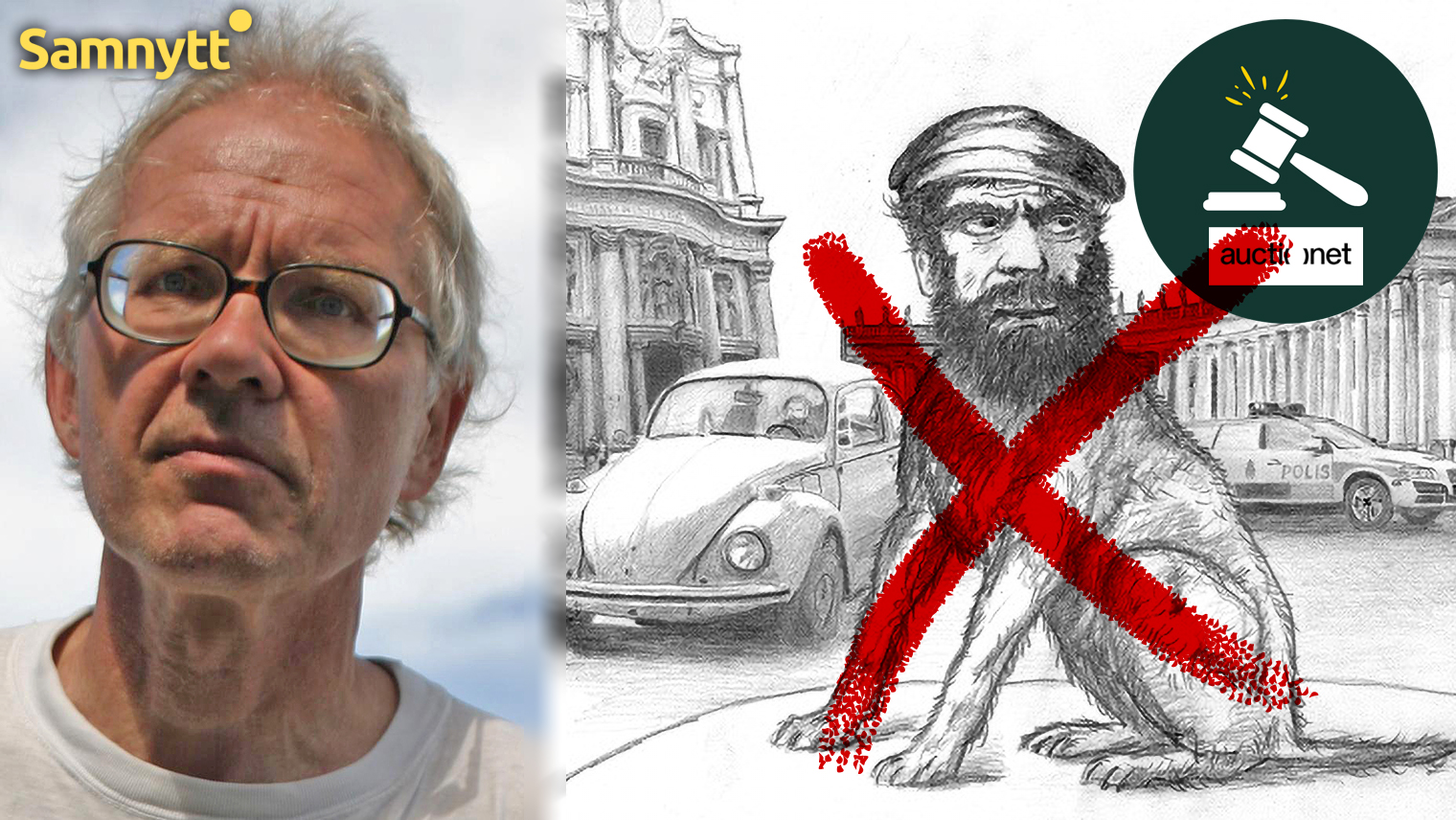
STOCKHOLM - Five years after Lars Vilks died, his most famous work is still too dangerous to sell. Auctionet, one of Europe's largest online auction platforms, will not handle any Vilks piece showing the Prophet Muhammad as a "roundabout dog" - and a former Social Democrat commentator says that means the terrorists have won.
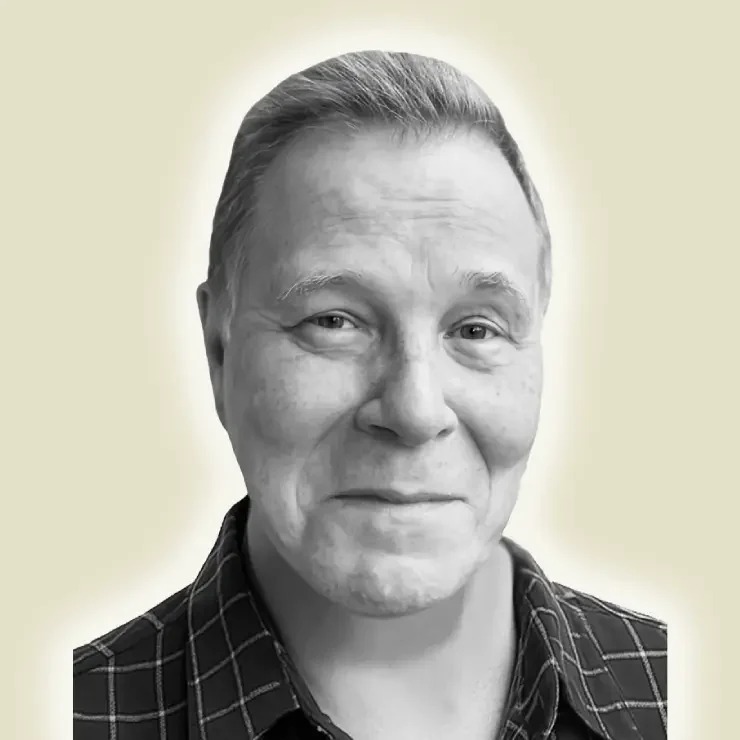
The criticism comes from Johan Westerholm, founder and editor of the Swedish site Ledarsidorna.se and a friend of the late artist. In an op-ed in Dagens Nyheter, Sweden's largest morning paper, he says Auctionet confirmed by email that it does not accept the works. Any such piece is either refused or taken down from the platform.
Auctionet is no small gallery. It was founded in 2011 by former staff of the Stockholm auction house Bukowskis and today runs online sales for a long list of Swedish and European auction houses. When a player that size shuts out one motif, Westerholm argues, the work is effectively locked out of the established art market.
"Not a Crime - Worse"
Westerholm is clear that no law is broken. Sweden's constitutional ban on censorship applies to the state, and private companies are free to decide what they sell. But he says the decision goes against the principles of free expression and artistic freedom that Swedish society claims to stand on.
"It is not a crime. It is worse - the normalisation of self-censorship driven by security risks, customer pressure or commercial caution," he writes.
What makes it worse, in his view, is that this is the one work that more than any other in modern Swedish art came to symbolise the clash between artistic freedom and religious taboo.
A Life Under Death Threats
Vilks made his first roundabout-dog drawing in 2007 for an art exhibition on the theme of dogs. The organisers pulled it over security concerns. When the regional newspaper Nerikes Allehanda later published it, protests broke out across the Muslim world.
Vilks faced repeated death threats and murder plots. Al-Qaeda in Iraq put a bounty on his head. In 2010 he was attacked during a lecture at Uppsala University. In 2015 he was one of the intended targets when a gunman opened fire on a free-speech meeting in Copenhagen, killing filmmaker Finn Nørgaard.
He spent the rest of his life under round-the-clock police protection. On 3 October 2021, Vilks and two of his bodyguards died when their police car crashed and burst into flames on a motorway in southern Sweden. Investigators later ruled it an accident.
Museums Said No Too
Westerholm says Auctionet is only the latest in a long line. The Moderna Museet in Stockholm, Sweden's national museum of modern art, previously turned the roundabout dog down, saying it was not artistically interesting enough. When Vilks's work was shown in Höganäs in 2023, the dog was left out for security reasons.
Several Vilks paintings that worked the dog into classic motifs - among them a take on Caravaggio's David and Goliath - ended up with private collectors after the Copenhagen attack and have not been shown in public since.
He also points to a double standard. Provocations aimed at Christianity, capitalism or traditional gender roles are celebrated as artistic freedom, he says, while Vilks's criticism of Islam is met with silence.
"The Market Took Over"
His conclusion is blunt. The extremists who tried to silence Vilks with threats and violence have, in a sense, succeeded - even though the artist himself never backed down. No bans or threats are needed anymore. Museums, galleries and now commercial platforms simply choose not to show the work.
"When the dominant auction platform actively excludes the work five years after the artist's death, the market has taken over where the terrorists left off," Westerholm writes.
"It is the most effective form of censorship - the kind that doesn't need to ban anything, only to abstain."
Mats Dagerlind · Senior Political Columnist
Mats Dagerlind is Senior Political Columnist at Samnytt and Samnytt News. A veteran Swedish political commentator and essayist, he covers Swedish domestic politics, free speech, cultural identity, and media accountability.
Follow @SamnyttNews on 𝕏 ↗