Åkesson Ends Sweden Democrats Feud Over Swedishness - Threatens Expulsions
Sweden Democrats leader Jimmie Åkesson rejects ethnic ancestry as the test of being Swedish, attacks 'self-appointed guardians of ideas' in his own party and warns they can step off or be thrown off.

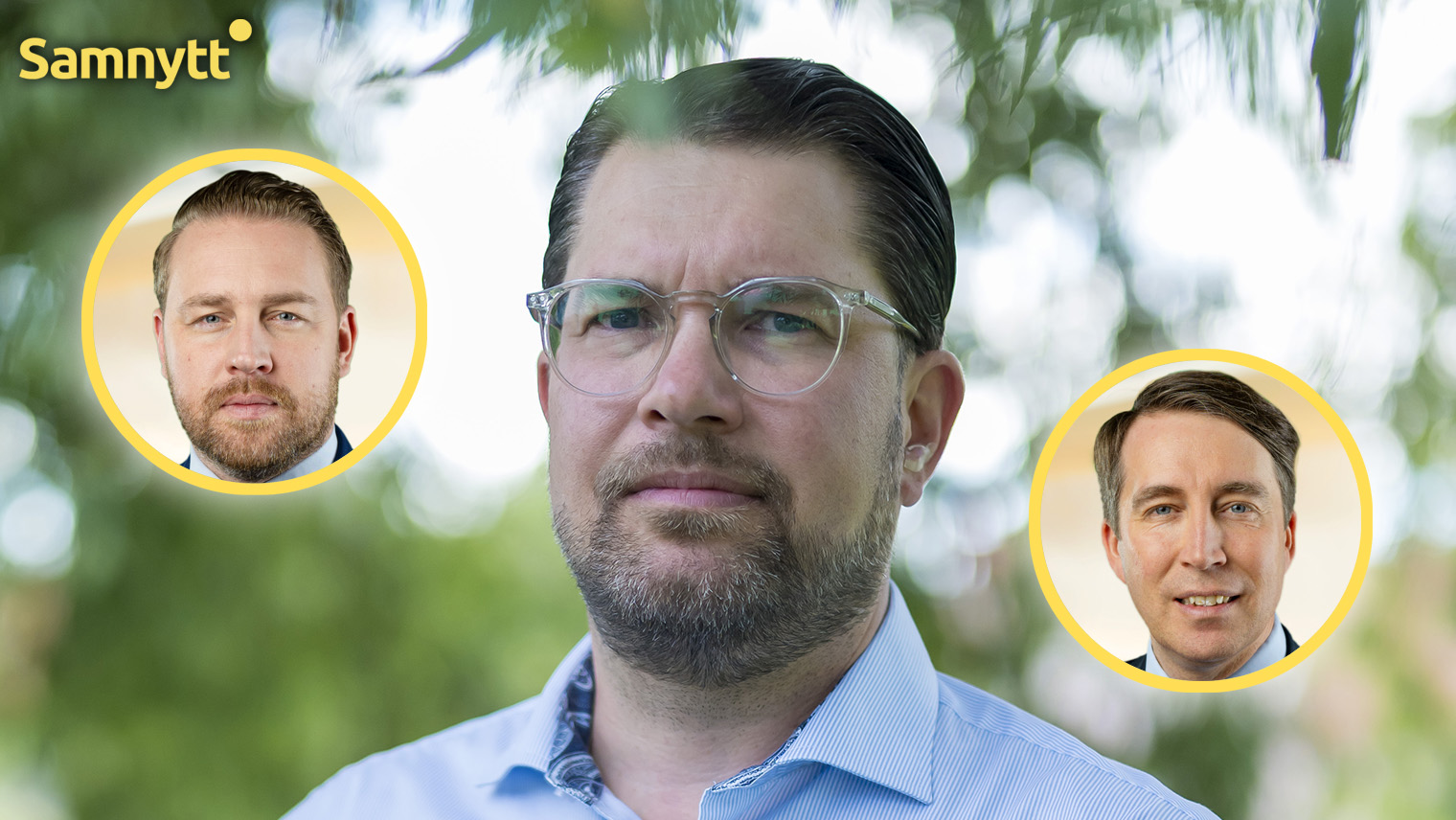
STOCKHOLM - After weeks of bitter infighting over what it means to be Swedish, Sweden Democrats leader Jimmie Åkesson has broken his silence. In a long opinion piece in the tabloid Expressen on Friday, he sided firmly with the party's line that Swedishness is open to newcomers, rejected ethnic ancestry as the deciding factor - and told internal critics they can leave or be thrown out.
The Sweden Democrats, with around 20 percent of the vote, have been the main support party behind Sweden's centre-right government. The row inside the party has been simmering for years, but this autumn it turned into an open feud.
Culture Versus Bloodline
On one side are those who define national identity mainly through language, culture and community. Prominent voices here include veteran ideologue Mattias Karlsson, MP Henrik Vinge and Carl Eos of Oikos, a think tank close to the party. On the other side are figures such as Richard Jomshof and Tobias Andersson, who stress ethnicity, descent and historical continuity as central to belonging to the Swedish people.
Åkesson had stayed out of the public exchange until now.
"It Takes More Than a Piece of Paper"
Åkesson writes that the question of Swedishness has followed the party for most of its history, and argues that it only became so pressing because of decades of mass immigration and multicultural policy. He rejects the label of a racist party, saying the organisation has never held such views, even if individual members have.
He notes that the party settled the issue of open Swedishness in the early 2000s, long before it entered parliament in 2010. Those who refused to accept it left or were expelled, and several went on to the more hardline National Democrats or Alternative for Sweden.
"How should we define Swedishness when Sweden is no longer as homogeneous as it was 50 years ago?" Åkesson writes. As a Sweden Democrat, he says, he has no hesitation in answering yes to whether someone can become Swedish without being born Swedish. Arguing the opposite, he writes, leads to conclusions that are "strange and bizarre" and have no place in the party.
But he stresses that holding a Swedish passport does not automatically make someone Swedish. "It takes more than a piece of paper to be Swedish in this philosophical sense," he writes. What politics can do is set tough requirements for citizenship and push people of foreign background to adapt. "It is citizenship that is politically relevant. Individuals' physical traits are not."
"What the Hell Have You Achieved?"
Åkesson challenges those who want ethnic origin to become a political principle to explain what laws it would actually lead to. Who would decide who is Swedish? On what criteria? And what would happen to those who fail them? Such legislation, he argues, would be ruinous for both the party and Sweden.
He also draws a sharp line between free debate and the duties of an elected representative. "If general philosophising and opinion-babbling is what you prefer, then you should not also be a politician. Start a blog instead, or apply for a job on a suitable editorial page."
Defending the compromises the party has made as a government support party, he points out that a party with 20 percent of the vote cannot expect to push through its whole programme. Holding out on every demand, he writes, means achieving "not a damn thing".
Åkesson, who has been active in the party for more than 31 years, saves his harshest words for the end. "It is extremely provocative when egocentric, self-appointed guardians of ideas moralise about this and think they are and know better," he writes, without naming anyone. "Honestly, what the hell have you achieved yourselves?"
"Step Off or Be Thrown Off"
He says the party will stay open to debate, but that not every personal conviction can become party policy. Anyone who wants to be on board must stand behind the values in the party's programme.
His final line reads as a warning to the members who keep challenging the leadership: "Otherwise you can step off, or be thrown off."
Mats Dagerlind · Senior Political Columnist
Mats Dagerlind is Senior Political Columnist at Samnytt and Samnytt News. A veteran Swedish political commentator and essayist, he covers Swedish domestic politics, free speech, cultural identity, and media accountability.
Follow @SamnyttNews on 𝕏 ↗