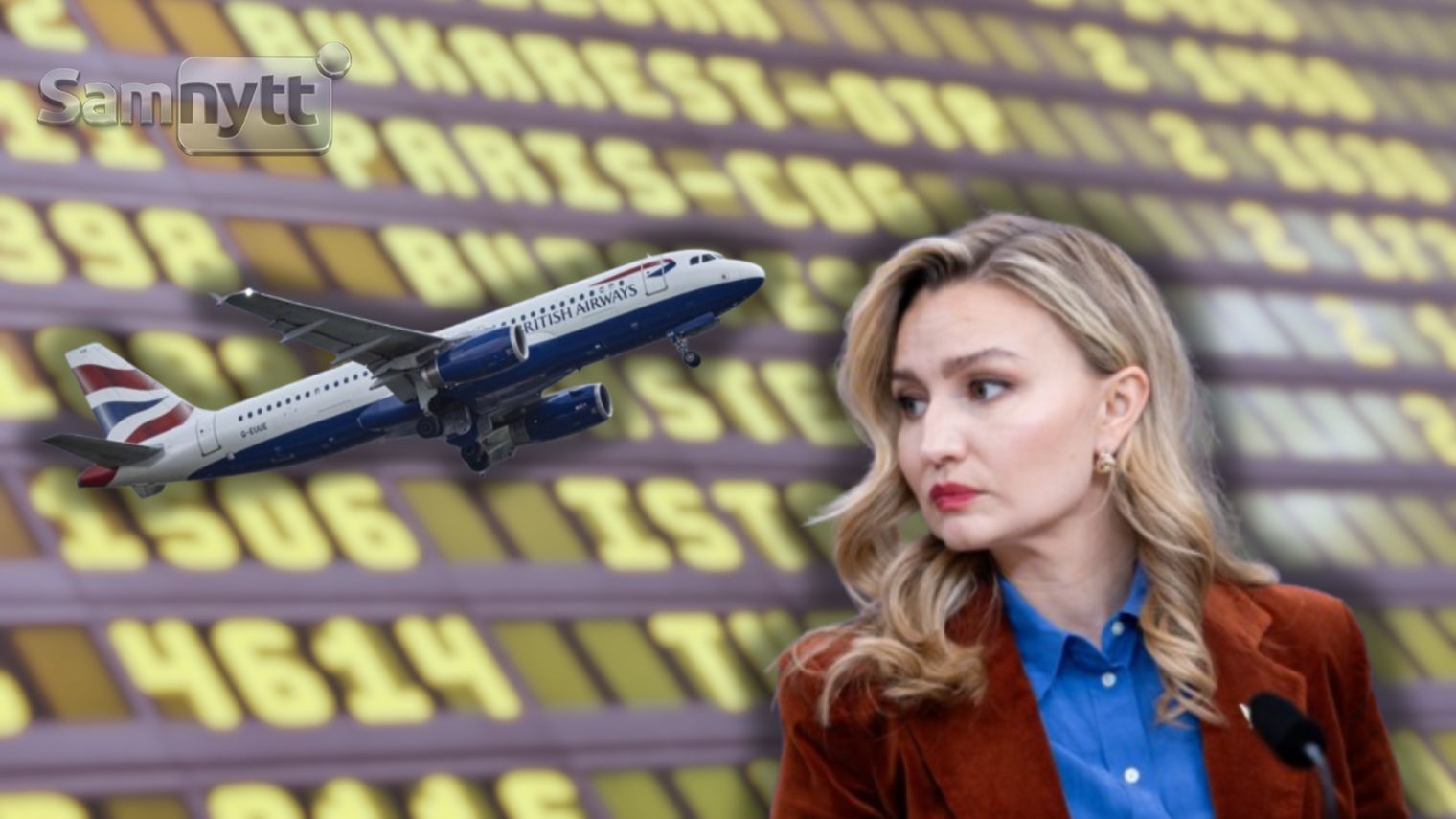
At a press conference on Tuesday, the government warned that Sweden is now at the first step of a three-level alert system, meaning that normal conditions no longer apply. Together with the Swedish Energy Agency, the government urges the public to pay extra close attention to their travel plans.
A couple of weeks ago, Fatih Birol, CEO of the International Energy Agency (IEA), warned that Europe has only about six weeks of jet fuel left and that flights will be cancelled “soon” if oil supplies from the Middle East are not restored within the coming weeks.
– I can tell you that we will soon be hearing the news that certain flights from city A to city B may be cancelled due to a shortage of jet fuel, he told AP.
READ ALSO: Warning: Europe’s fuel is running out
Now, the Swedish government is issuing what it calls “an early warning” about jet fuel shortages. The warning constitutes the first of three possible steps in escalation and is triggered by the conflict in the Middle East and the blockade of the Strait of Hormuz.
According to the Energy Agency’s Director General Caroline Asserup, the warning means that Sweden has exited its normal state.
– We are not currently in a shortage situation, but we must be prepared in case the situation worsens. The longer the war continues and the Strait of Hormuz remains closed, the more long-term effects we will see. We are working on preparations for potential consumption-reducing measures, with particular focus on jet fuel, says Caroline Asserup.
At the same time, it is emphasized that Sweden and the Nordic countries have a relatively large refining capacity using oil primarily from the North Sea. There is currently greater competition for this oil, and prices have increased, but supply is not affected by the situation in the Middle East.
– The Energy Agency therefore assesses that the supply of gasoline and diesel is stable in Sweden, both in the short and long term. The likelihood of any kind of rationing for gasoline or diesel in Sweden is low, says Caroline Asserup.

Rationing in the worst case
Usually, part of Sweden’s and the EU’s jet fuel is imported from the Middle East, and since the Strait of Hormuz is now closed, the disruption must be compensated for. The reduced supply and changed flows increase the risk of disruptions, and if the conflict escalates or continues, Sweden and Europe could also be affected.
– The Energy Agency assesses that there is some risk of a physical shortage of jet fuel, which in the worst case, could ultimately lead to rationing. The situation is largely dependent on how the market acts and adapts, which in turn will influence what measures the state may need to take, says Caroline Asserup.
Leave some leeway
The Swedish Energy Agency’s recommendation to the public is to stay informed regarding travel and general guidelines. Ahead of the summer holidays, the government also urges the public to be aware that circumstances may change and there could be difficulties getting home.
Minister for Energy and Business, Ebba Busch (KD), suggests reviewing things such as travel protection, insurance, and travel conditions. She also notes that the situation in other countries, especially outside the EU, may be more strained and can change with very short notice.
– Don’t book trips that require you to return at a very specific time. It’s wise to leave yourself some leeway for your travels, in case you end up in a situation like in Italy, where you have to travel home on a different day, she says.
Press conference:
READ ALSO: Parliament lowers fuel tax – but the Left and Green parties voted NO