Can people’s consumption habits be likened to an addiction? This question is at the center when the Diocese of Stockholm and the study association Sensus organize a climate evening at Saint Jacob’s Church. Inspired by the twelve-step method, participants will discuss and learn how people’s lifestyles impact the planet and what is needed to change ingrained behaviors.
On October 15, the Church of Sweden’s Diocese of Stockholm and Sensus invite the public to an event under the theme “Twelve Steps for Planet Addicts.” The premise is that the prevailing overconsumption, especially in the world’s richer countries, can be seen as a kind of addiction to the earth’s resources.
By drawing parallels to twelve-step fellowships, the organizers hope to raise questions about people’s responsibility for the climate and how both individuals and society can change their habits.
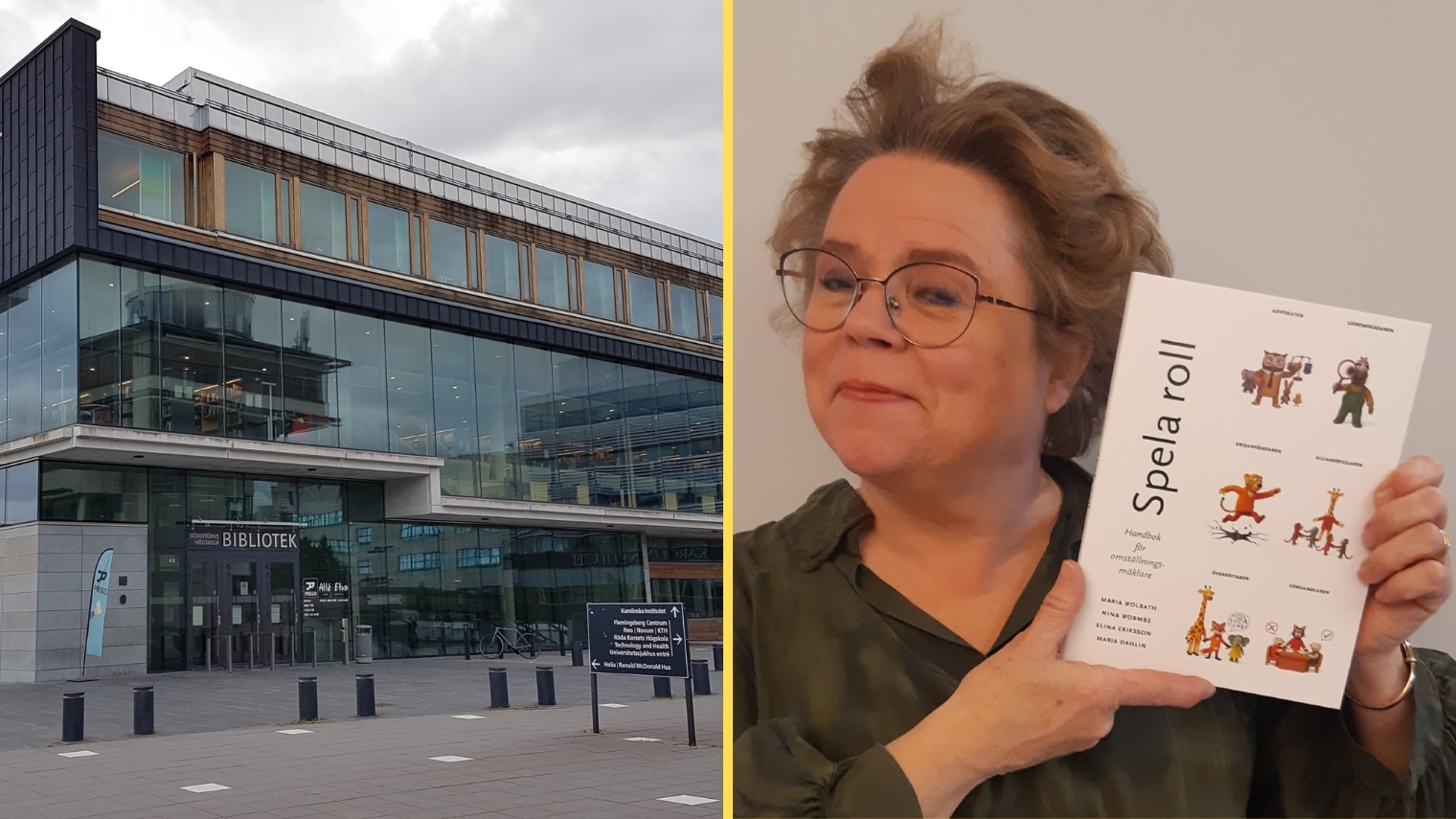
One of the panelists is Maria Wolrath, associate professor of rhetoric at Södertörn University, who researches climate communication and people’s attitudes towards transitioning to a sustainable lifestyle.
ALSO READ: Church of Sweden: “Climate Justice” is Our Basic Mission
She describes how knowledge of climate change can create an inner conflict for people who continue to live in ways they themselves recognize as problematic. According to Wolrath, the discomfort that arises is often an important part of the process when people begin to change their behaviors.
“I think that many people right now are suffering from a kind of friction between how we live and what is happening to the climate. People realize they themselves are part of the problem, and that’s terribly painful,” she says, and continues:
ALSO READ: Church of Sweden arranges ‘March of Sorrow for the Climate’
“You can numb the thoughts and come up with all sorts of arguments for why you’re innocent and don’t need to change. But in our studies we see that the starting point for change is often this discomfort, this pain. You know it’s bad, but it’s only when you’re put on the spot that you admit it.”
Seeking to Change the View of Consumption
The twelve-step method is commonly associated with communities for people trying to overcome various forms of addiction. During the climate evening, experiences from such contexts will be used to discuss humanity’s relationship to consumption and natural resources.
The Church of Sweden, among other things, wants to explore what people need to acknowledge about their lifestyles, which behaviors may need to be left behind, and how change can be achieved together with others.
ALSO READ: Church of Sweden Invests in ‘Climate Educator’
Maria Wolrath believes there are several similarities between breaking an addiction and trying to change a lifestyle that one also appreciates. She argues that people need to come to terms with the fact that a transition may also mean giving up things that were previously experienced as positive.
“There are so many parallels. If you want to break free from an addiction, you have to realize that it’s a loss, that there are all sorts of enjoyable things about that lifestyle you wrestle with. Only when you acknowledge this can you share it with others.”
ALSO READ: The Climate Movement Becomes a True Religion – Intended to Replace the Ten Commandments
Wolrath also highlights the importance of community and how people’s self-image can affect their willingness to change habits. She describes the climate issue as something that also has a moral dimension, where an individual’s perception of responsibility towards others can play a significant role.
“Another factor is that it becomes much easier to be part of a collective. It’s about identity, who you want to be. That can be a strong driving force in both directions,” she says, and continues:
“There are ethical dimensions and conscience. People feel that their behavior harms someone else. It’s the same with the climate. And you get clear goals: Eat better, shop less.”
The Researcher is Herself a Climate Activist
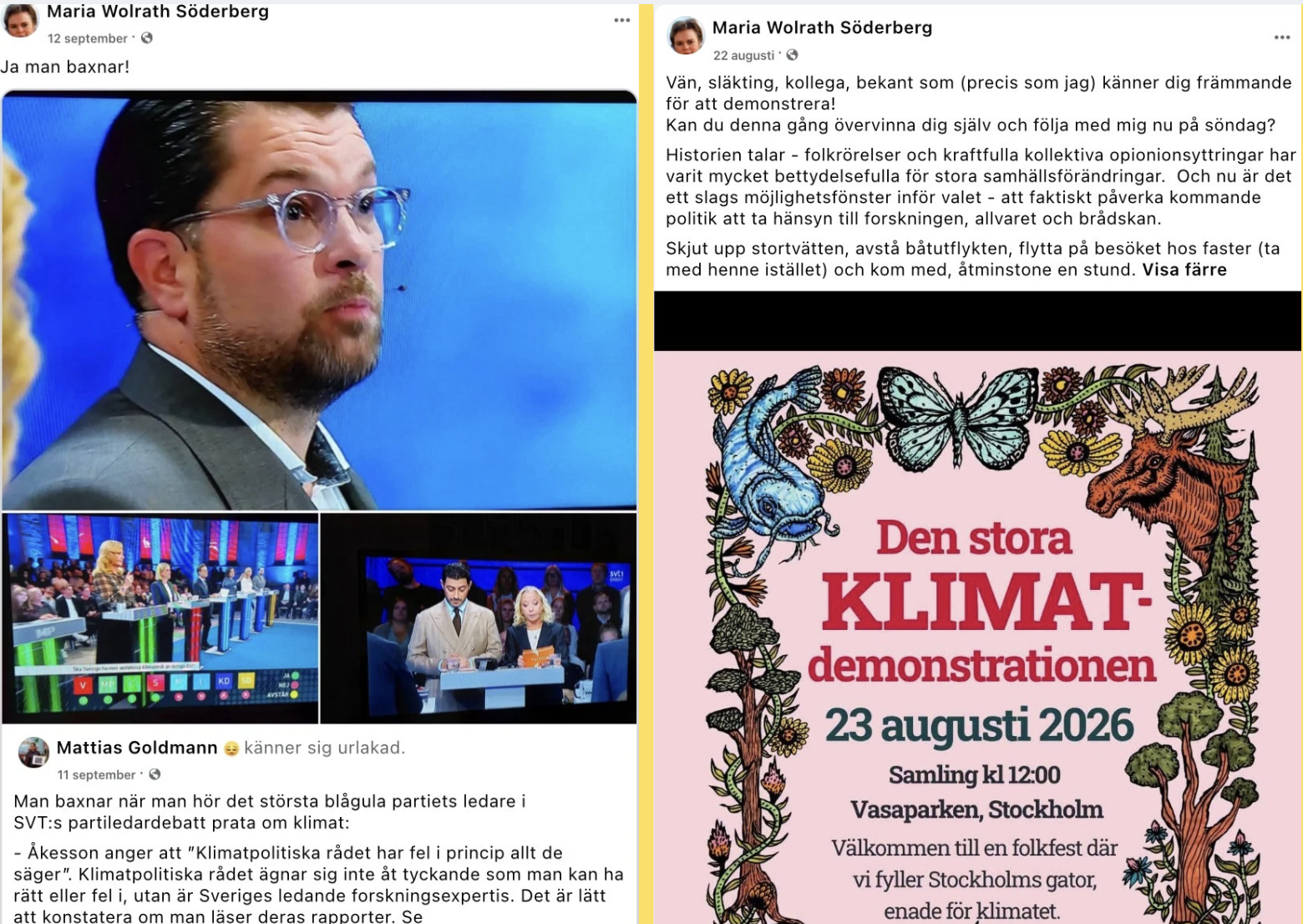
But those expecting an impartial observer of the climate issue may need to think again. Judging by her activity on social media, Wolrath comes across more as an engaged climate activist than as a neutral observer.
Bishop and Climate Debaters Participate
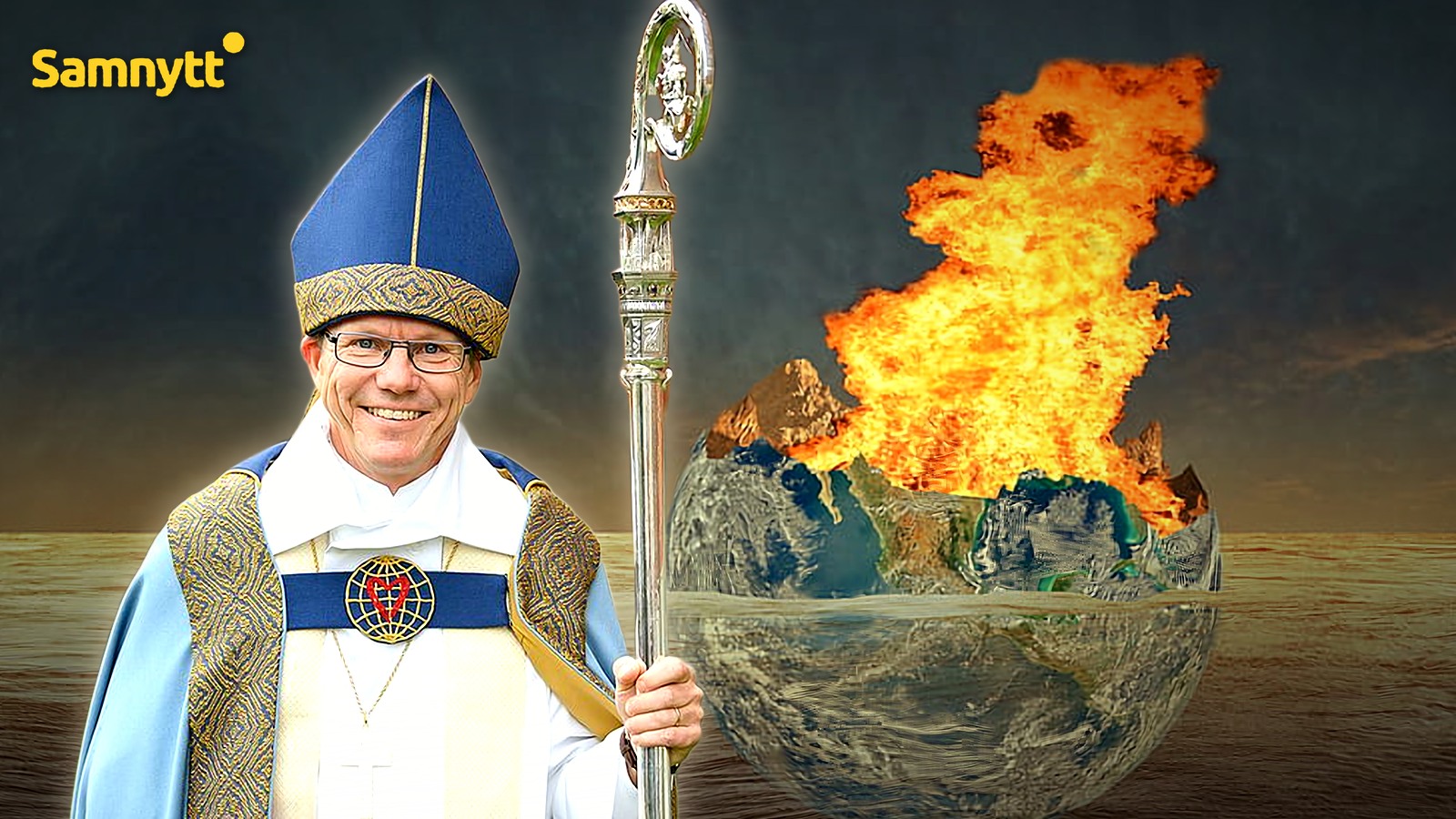
Among the participants during the evening will be the Bishop of Stockholm, Andreas Holmberg, who is engaged in questions of climate, sustainability, and the church’s responsibility in societal transitions.
Sustainability developer Johan Mandarić Reunanen will also participate. He has previously examined the climate crisis from an addiction perspective.
ALSO READ: 14 Bishops: God is a Climate Activist and Greta Is His Prophet
The event will also present two books addressing the climate issue inspired by the twelve-step method. One is “12 Steps for Planet Addicts,” written by Johanna Linder, who works with human rights, ecology, and climate within the Church of Sweden and Sensus.
The other is “12 Steps for Global Wellbeing” by Anna Sixtensson, who developed a method under the same name in 2017 and also conducts research in the subject.
“People’s Anxiety About the Future”
That the climate issue is discussed in a church is seen as natural by Maria Wolrath, even though the topic is also a political one. She emphasizes that climate change raises questions about more than politics and also touches on people’s worries for the future.
“It’s all about people’s anxiety about the future. People with climate anxiety and worry,” she says to Riks.
After the panel discussions, visitors will be able to take part in various stations within the church, where some of the steps from the twelve-step method will be explored collectively. The aim is to give participants the opportunity to reflect on consumption, responsibility, and change from both individual and collective perspectives.
The climate evening will take place at Saint Jacob’s Church in central Stockholm on Thursday, October 15, between 5 and 7 pm. The event is free and open to the public, but participants must register in advance.
ALSO READ: The Church of Sweden’s New Hymns Are About Climate and Immigration