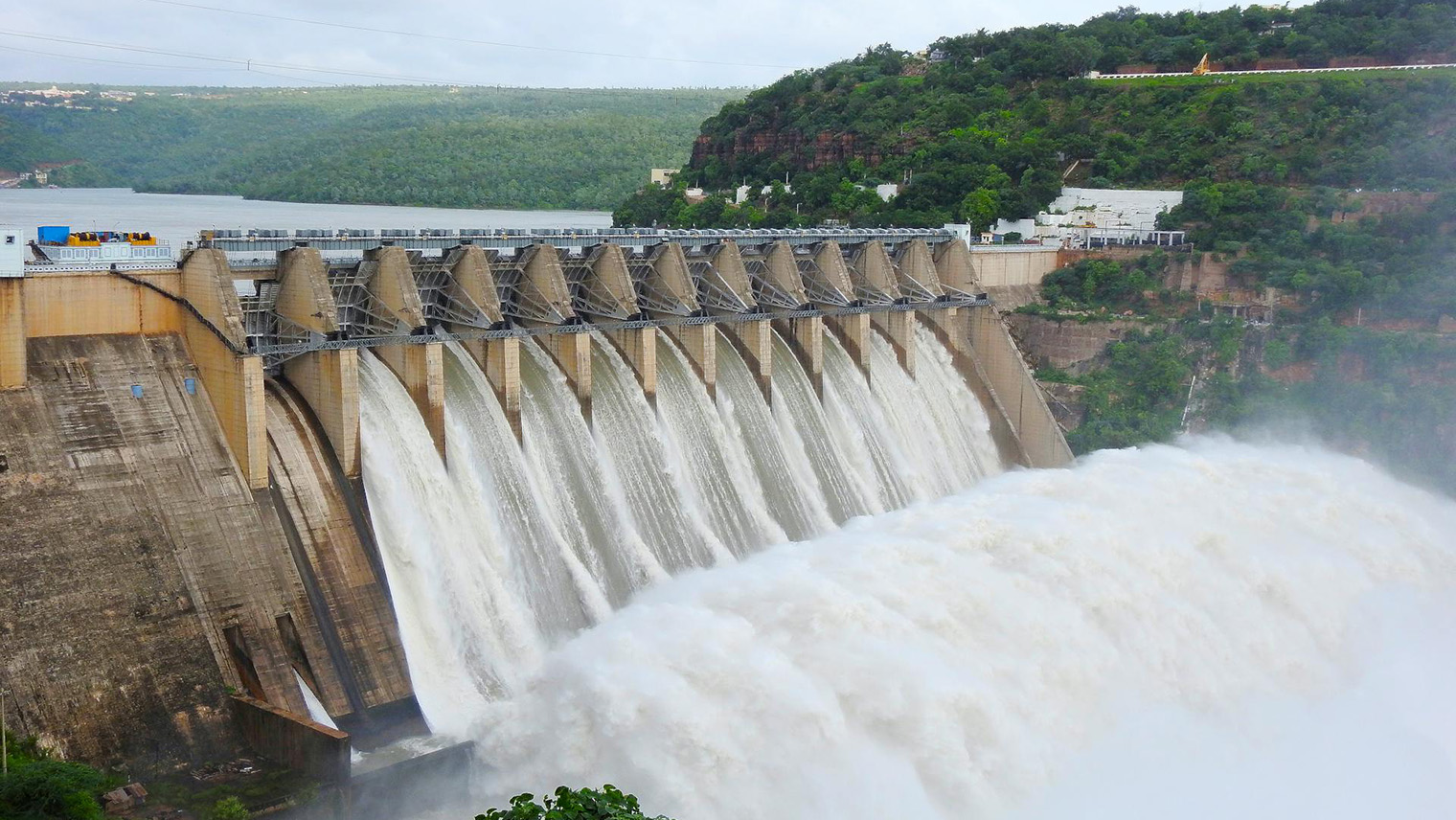
The EU Water Framework Directive is driving a wave of closures of Swedish hydropower plants. Critics argue that Swedish authorities are going further than Brussels requires – and that the result could be a production loss equivalent to a large nuclear power plant.
Sweden’s role as Europe’s largest hydropower producer has long been seen as a reliable foundation for the country’s electricity system. But as the EU’s water directive reviews continue, concerns are growing that this foundation is being dismantled.
READ ALSO: EU Wants to Classify Swedish Hydropower as Unsustainable
So far, about half of the plants that have received their verdict have opted to close rather than upgrade. Industry representatives speak of a development that is unprecedented in other countries.
– It’s Swedish overimplementation that is the problem… it’s only Sweden pushing this toward demolition, says Gustaf Hellström, chairman of the Swedish Hydropower Association, to Realtid.
The process covers around 2,000 power plants and is expected to take over two decades. But the early outcomes are already raising eyebrows.
“Back to before the Middle Ages”
The heart of the conflict is about how the requirement for good ecological status is interpreted. According to the industry, Swedish authorities have set the bar much higher than necessary.
– The authorities demand that the watercourses should essentially be restored… back to before the Middle Ages, says Hellström.
He emphasizes that the association is not opposed to environmental measures, but argues that the directive expressly requires trade-offs, and that environmental benefits must be balanced against other societal benefits – something he believes Sweden is doing incorrectly in this case.
READ ALSO: Hydropower Threatened by Green Party Plan – Not Considered Environmentally Friendly
As a comparison, he points to Norway – which does not have to follow directives from Brussels in the same way, but still applies the same regulations, interpreting them to allow going in the opposite direction. There, they are building, while Sweden is dismantling.
Concern Also for the Major Rivers
It’s no longer just the smallest plants that are in danger. In the Klarälven River, local politicians warn that far-reaching requirements from the EU’s Natura 2000 plans for biodiversity could make it impossible to continue operating several facilities.
Energy company Fortum has indicated that the conditions could directly impact the large plant in Höljes. In total, the loss in the river could reach over 0.7 TWh per year – nearly half of the shortfall the government has set as a benchmark for the entire national review.
The politicians write that if similar requirements arise elsewhere, it could be the final blow they have wanted to avoid. But at the same time, they face criticism for overinterpreting the directive.
Dispatchable Power Disappearing
The stakes are high. Small-scale hydropower produces as much energy as a large nuclear power plant, with much of it located where demand is greatest – in southern Sweden.
Moreover, it’s not just about kilowatt-hours but about system benefits. Hydropower can rapidly increase or decrease production to balance output when fickle winds fail.
– Those who say you can just build a wind turbine haven’t considered the difference between dispatchable electricity and weather-dependent electricity… when it’s cold, the wind is zero and nothing,” Hellström tells Realtid.
The Bill Grows – Timelines Slip
When the reform was adopted, ten billion kronor were set aside in a fund meant to cover most of the owners’ costs. Now, the industry talks about completely different sums.
According to Hellström, direct measures may land at 30–50 billion kronor, and with administration and legal processes, the total could exceed 100 billion.
READ ALSO: Here the Energy Minister Makes an Embarrassing Mistake About French Hydropower
At the same time, the process is slow. With about forty cases resolved over several years and thousands remaining, the 20-year plan is hard to take seriously.
Hellström believes the project is being undermined by unreasonable demands and that money intended for transition is instead being spent on court proceedings.
Concerns are growing about how much dispatchable power Sweden can afford to lose before the electricity system starts to show serious strains. The EU’s Natura 2000 directive has also been criticized for its consequences for the forestry industry in Sweden.