
Corruption, bribery, and suspected embezzlement in the public sector have recently come into focus after several high-profile cases across the country. In the Stockholm Region and public transport provider Storstockholms Lokaltrafik (SL), officials are suspected of having received millions of kronor in bribes related to procurements, while a raid on Sundsvall’s city hall has led to suspicions of serious embezzlement. Samnytt has spoken with Henrik Vinge, deputy leader of the Sweden Democrats and parliamentary group leader, about corruption in the public sector – and about the party’s proposals to tackle the growing problem.
In Stockholm Region, six people are suspected of serious bribery after approximately 15 million SEK, according to the investigation, are believed to have been paid out in exchange for certain companies being awarded contracts as subcontractors within SL traffic.
At the same time, several people in Sundsvall municipality are under investigation following a high-profile raid on the city hall earlier this year, with suspicions of among other things, serious fraud and embezzlement directed against municipal employees.
READ ALSO: Immigration Has Given Sweden More Corruption
The cases have once again highlighted the question of how vulnerable the public sector is when large procurements, complex supplier chains, and a lack of control mechanisms coincide. This year, the government and the Sweden Democrats have reintroduced criminal liability for public officials and presented additional measures to strengthen oversight and combat corruption within municipalities, regions, and state agencies.
READ ALSO: Voices from the Migration Agency: “It’s Not Just Corruption – It’s Serious Criminality”
Henrik Vinge is a lawyer, member of parliament, and group leader for the Sweden Democrats in the Riksdag. Since 2022, he is also the party’s deputy leader. In the Riksdag, he has long been one of the party’s most prominent representatives on justice and criminal policy and drives issues on tougher measures against organized crime, corruption, and welfare fraud. Samnytt contacts Vinge.
You describe the recent corruption scandals in regions and municipalities as signs of a “rottenness in the system.” How extensive do you judge the problem to be in Sweden today?
– Significantly greater than many think. It is practically impossible to know how extensive it is, since today we don’t have the kind of inspection and follow-up that would be needed.
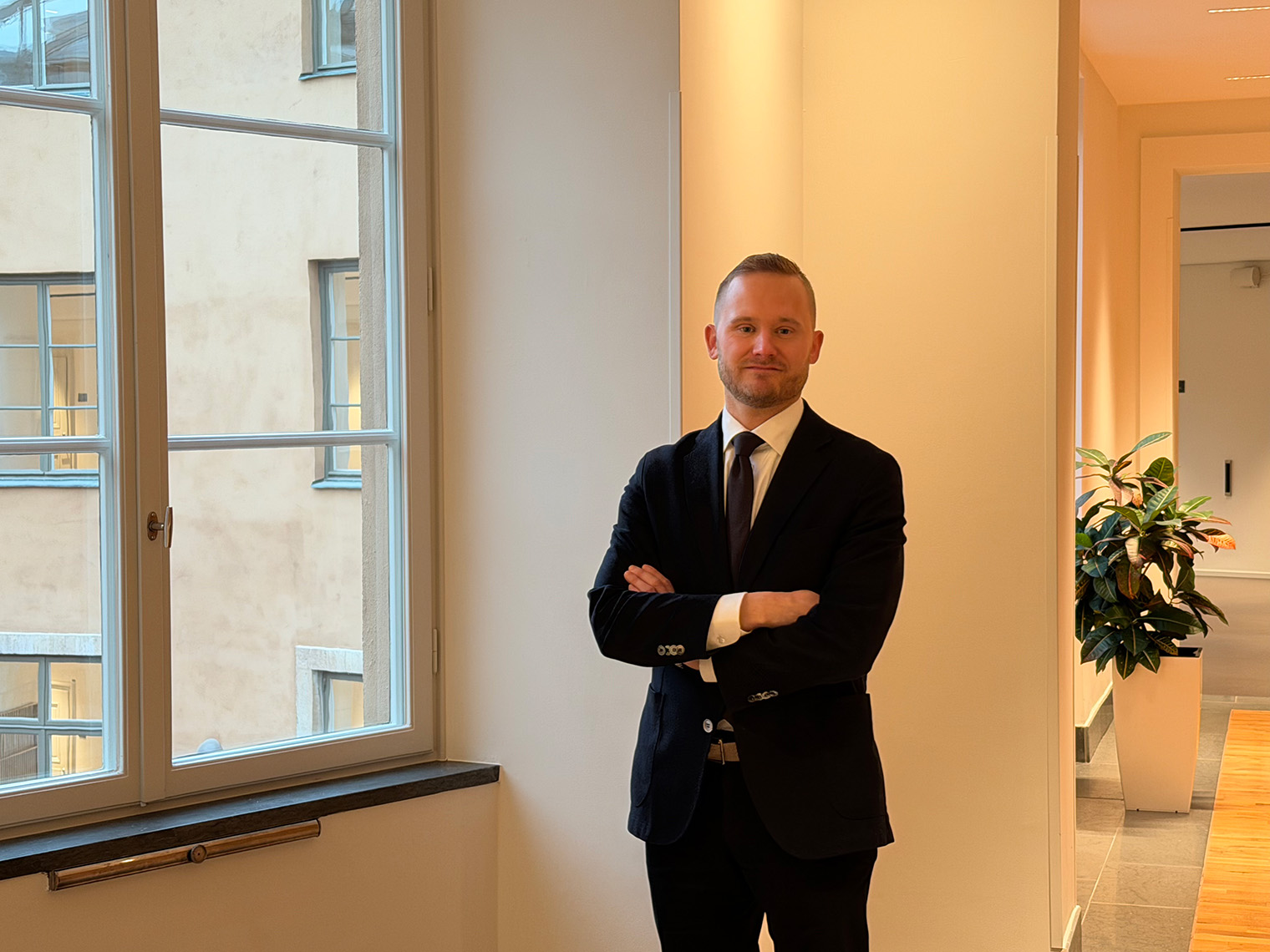
He argues that Sweden has long had a self-image of being almost free from corruption.
– Many times we have said that corruption barely occurs in Sweden. But these cases show that it’s just the tip of an iceberg.
When the public official liability provision was removed, a grey zone was created, allowing officials to act more arbitrarily. By reintroducing it, we send a clear signal – if you work for the public sector, you work for the public, and you must follow laws and regulations.
Henrik Vinge, group leader and deputy party chair, Sweden Democrats
According to Vinge, large and complex procurements have created situations where irregularities can arise.
READ ALSO: New Report: Corruption in Sweden Becomes More Professional
– There is a saying that opportunity makes the thief. When you have extremely large and complex procurements that are difficult to audit, opportunities arise for those who want to embezzle money. We need to ensure these opportunities do not arise. He continues:
– We need to strengthen the fight against corruption and increase transparency in procurements. It must be possible to trace decisions and conduct audits in order to detect irregularities afterwards.
Reintroduced Public Official Liability
Vinge also highlights the reintroduced criminal liability for public officials as a key reform.
– It will be easier to prove that someone has neglected their duties compared to proving more concrete crimes, such as embezzlement. This means more cases could result in convictions.
READ ALSO: The Tidö Government Proposes Extended Official Liability
He also emphasizes the signal value of the reform.
– When public official liability was removed, a grey zone was created, allowing officials to act more arbitrarily. By reintroducing it, we send a clear signal – if you work for the public sector, you work for the public, and you must follow laws and regulations.
Will the official liability also cover political decision-makers?
– Yes, that is at least equally important. People must be able to trust that those representing the public are making decisions for the good of the public, not for themselves. And that applies regardless of whether you are a politician or a civil servant.
“Problems Exist at Both Ends”
You talk about high-risk procurements in municipalities and regions. Which types of procurements are most vulnerable to corruption, in your view?
– There are quite a few different types. One could say that the problems exist at both ends. In large municipalities and regions, such as the Stockholm Region, it’s often very large sums of money and complex procurements involving many actors. They are hard to scrutinize, so there is a risk of corruption. Henrik Vinge continues:
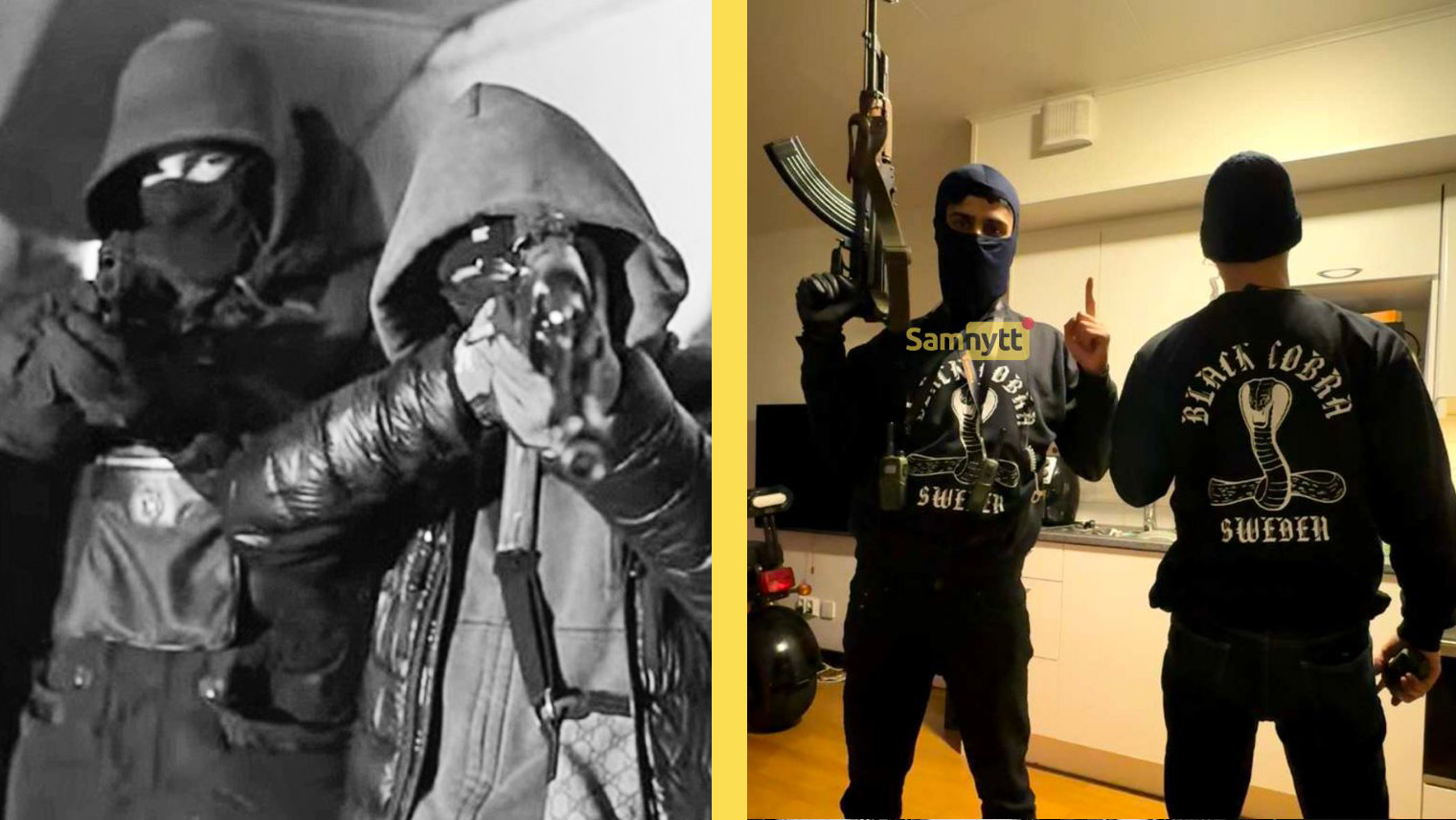
There is a clear link between gang crime, that is, organized crime, and this type of corruption. There are various estimates, but a large proportion of the total criminal economy consists of fraud.
Henrik Vinge, group leader and deputy party chair, Sweden Democrats
– At the same time, there’s the other end – smaller municipalities. There, the procurements may not be as big, but you don’t always have the same resources, whether expertise or staff, to review them. That means criminal actors can exploit the situation to benefit themselves at the taxpayers’ expense. He elaborates:
– These problems can therefore appear in different parts of public Sweden. That’s why the fight against corruption needs to be strong enough to handle various types of risky procurements and ensure they’re handled properly.
READ ALSO: Correctional Officers and Inmates in Bribery Scandal – Five Remanded After Prison Raid
Do you see links between organized crime and the corruption cases now being revealed in municipalities and regions?
– There is a clear connection between gang crime, in other words, organized crime, and this type of corruption. There are various estimates, but a significant part of the total criminal economy consists of fraud. He continues:
– It’s not least about different types of welfare fraud and other crimes linked to the public sector. By getting at this type of crime, you can also cut off an important source of income for organized crime.
READ ALSO: Over 67,000 People Linked to Gang Crime in Sweden – Government: “Serious Situation”
If the reforms you propose are implemented, how long do you think it would take before public trust in government administration actually begins to recover?
– I think it will happen gradually. As soon as we carry out these measures and people start seeing more cases reported in the media, more people being held accountable, people will see that we are seriously addressing this. That alone, I believe, can strengthen trust. The SD leader continues:
– Of course, it will take some time before the public perceives that the breeding ground for corruption has really been dealt with. But I think people underestimate how quickly this can happen. When people start realizing that cheating no longer works – that you actually get caught if you are manipulating procurements – many will stop. He elaborates further:
– Criminals will go elsewhere. Therefore, I believe that we can see a relatively quick effect if we act, and that trust in government administration can begin to strengthen gradually as soon as these reforms are implemented.
READ ALSO: National Police Chief Troubled – Places Responsibility for Gang Crime on Citizens
“If the Left Wins, the Proposals Will Be Repealed”
How do you think the left-wing opposition and the Social Democrats would react to this if they win the election this autumn, will they repeal the changes?
– Yes, unfortunately. We propose measure after measure in the field of criminal policy that would have a major impact. But if the left bloc wins, they will undo them. He continues:
– There are two reasons. Partially ideological – they don’t like this tougher approach toward criminality. But also for economic reasons. They want to spend money on other things, such as climate initiatives, immigration, and such. Henrik Vinge concludes:
READ ALSO: Gang Crime in Gothenburg To Be Stopped – with Coffee and Sandwiches
– Then you also cannot afford police operations and crime fighting that cost a considerable amount of money.
The investigations in Stockholm Region and Sundsvall municipality are still ongoing and several people are suspected of serious financial crimes. At the same time, the cases have put a spotlight on how large public procurements and complex supply chains can create space for corruption.
In the interview, Henrik Vinge also points to links between this type of crime and organized crime, where fraud and welfare offenses constitute important sources of revenue. The issue of control over public funds – and how far-reaching measures are required to stop cheating, bribery, and embezzlement – is therefore expected to remain a key political issue going forward.
Less than 1% of our readers support us
Hundreds of thousands read Samnytt, but only 1 in 100 contribute. Help us grow and continue delivering in-depth reporting and investigations.
Without your support there is no Samnytt.
No advertisers. No state support. Only our readers. Thanks to you, Samnytt has published over 33,000 articles challenging the mainstream narrative in Sweden.
123 083 33 50
Swish any amount
Thank you for reading and supporting Samnytt