Swedish Banks Are Turning Into the Opinion Police
No court, no crime, just a bank that says no. Jonas Andersson on how Swedish banks gained the power to shut people and parties out of everyday life, and why politicians still won't stop it.

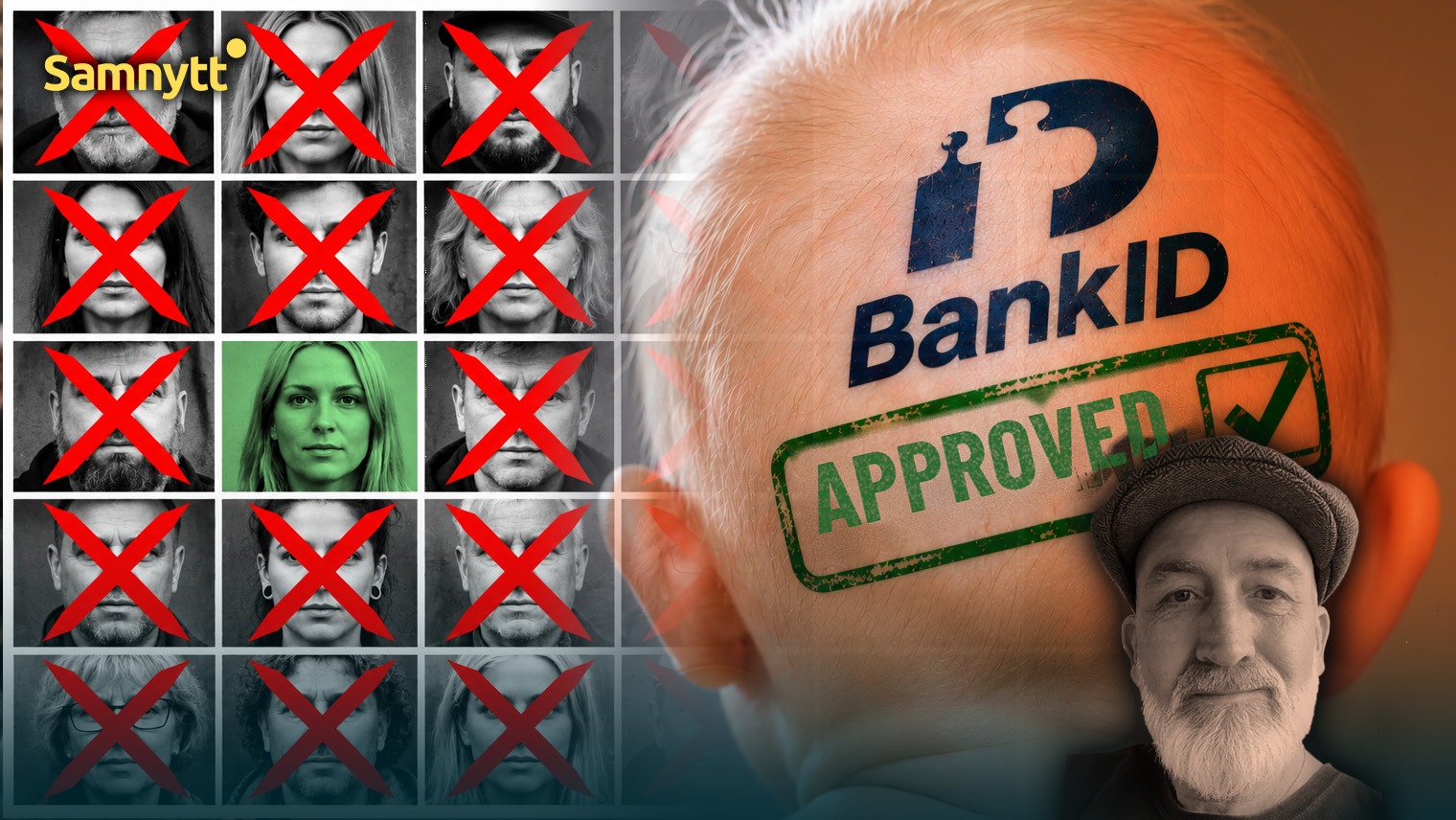
COLUMN • No police, no prosecutor, no court. In modern Sweden, one decision at a bank can be enough to cut a person, a business or a political party off from normal life. When banks stop just handling our money and start guarding the gate for our opinions, we have a democratic problem of almost historic size.
Imagine waking up one morning to find that your bank no longer wants you as a customer. Not because you have been convicted of financial crime.
Not because a court has banned you from doing business. But because the bank, after some internal review, has decided you are no longer welcome.
Maybe they point to the anti-money laundering rules. Maybe they say their risk assessment has changed. Maybe you get no real explanation at all.
So what do you do? How do you pay your rent? How does your business take payments? How does your club run without a bank giro number? How do you prove who you are online, when everything from dealing with the authorities to booking a doctor runs on a digital ID that the banks control?
We have built a country where almost every citizen depends on the banks' infrastructure. But we never built the matching protection against those same banks abusing their power. That is a stunning political failure.
The bank as opinion police
This is where the issue gets much bigger than bank cards and accounts. Samnytt has previously reported on a whistleblower at Nordea, one of the Nordic region's largest banks, who described internal training material in which payments to certain media outlets were flagged as part of the bank's risk assessments.
That does not mean every such payment gets an account closed. But the very idea that a bank could treat what you read or which causes you back as something suspicious should alarm every democrat.
What business is it of my bank which newspapers I read? What business is it of my bank which associations I support?
And above all: who gave the banks a mandate to decide which political views are respectable enough for the people who hold them to take part in the economy?
Defending bank services for people you like is easy. Defending the same rights for people you can't stand is the whole point of a free society.
A bank is supposed to stop money laundering, not launder away unwelcome opinions. That difference should be obvious. But in a society where more and more institutions talk about values, sustainability and social responsibility, there is a real danger that companies start acting like moral courts.
What is sold as responsible risk management has turned into a machine for political sorting. And the people who get sorted out usually have very little chance to defend themselves.
Kasselstrand and AfS - an uncomfortable test case
The latest example concerns the small nationalist party Alternative for Sweden (AfS) and its leader Gustav Kasselstrand. AfS says the bank SEB has decided to cut several of the party's core services, including the Swish mobile payment app, its bank giro and online banking, from December 6, 2026.
According to the party, the account itself will stay open. AfS says the bank has given no concrete reason, even though the party handed over the information it was asked for about its activities and transactions.
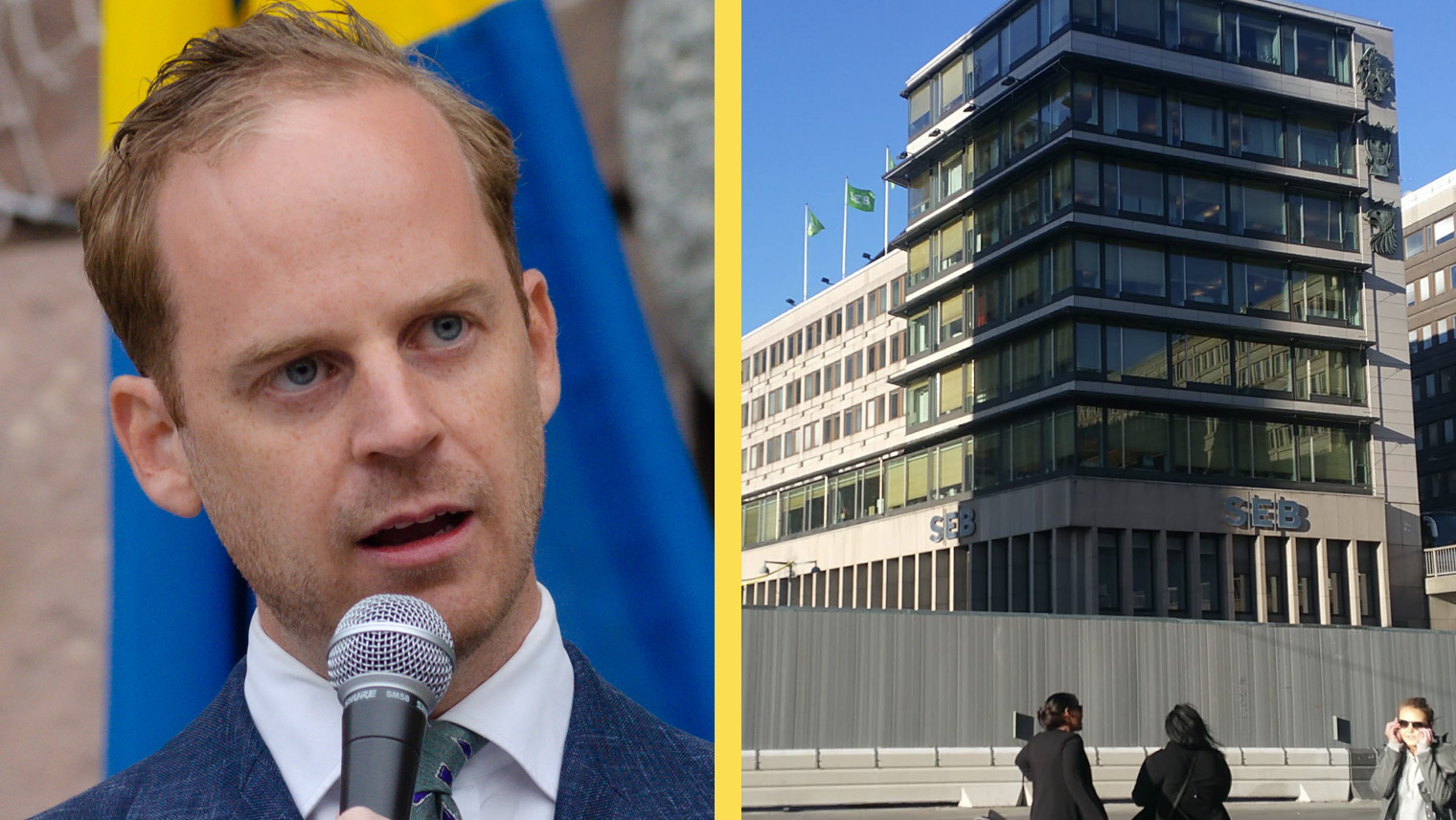
That is the party's version. SEB's own reasons for this particular decision are not known, so it has not been shown that political views are behind it.
But that is exactly why the case matters. You don't have to share a single one of Kasselstrand's views to see what is at stake. Quite the opposite.
The real test of freedom of association, free speech and equal treatment comes when a party provokes distaste. If a legal political party can have its ability to take payments and operate badly limited by a private bank's decision, we must at least be able to demand that the bank gives real reasons, and that the decision can be reviewed independently.
Otherwise we have accepted that a private company can hold a power over political participation that no voter ever gave it. And then we should ask who is next in line.
"Then we start getting close to China"
When I interviewed David Perez, a Sweden Democrat MP who sits on parliament's Finance Committee, he did not mince his words.
"If you can't get a bank account, you become a second-class citizen," he said.
He stressed that people's legal political views should never affect their right to payment services. Then he went further.
"That is a job for the police, not the bank. We are all innocent in the eyes of the law until convicted. Judging people in advance is very strange. Then we start getting close to China."
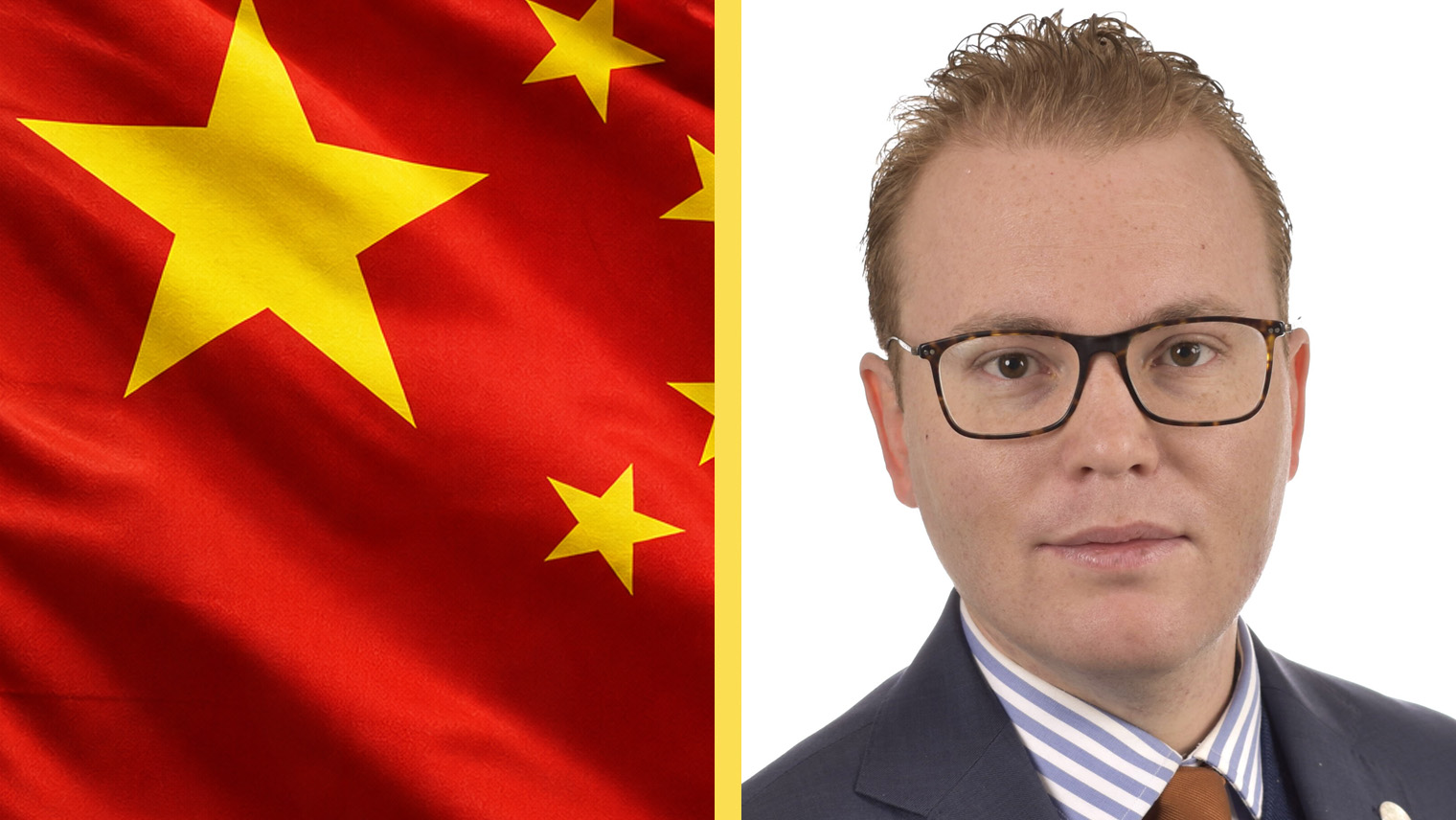
The comparison is drastic, but the question is worth asking. What separates a free society from an authoritarian one if your access to basic services can depend on your politics?
In China, the state has built vast tools for digital surveillance and control. In Sweden, it is private banks that run much of the infrastructure you need to live a normal life.
The systems are not the same, of course. But the idea that access to money can become a tool of social control is worrying enough that we should push back before it becomes normal.
Perez also rejected the idea that people with controversial views should be pushed into special banks of their own.
"That's not how it should be, some kind of apartheid where some people are allowed into some banks and others aren't."
It is hard to argue with that. We cannot have one banking system for the politically approved and another for those seen as troublesome.
Why have politicians let this go on?
The strangest part is perhaps not that the banks took this power, but that our elected politicians have let them keep it. Back in 2023, a government inquiry called The State and Payments already laid out the problems with access to basic payment services.
So this is hardly news. Yet in spring 2026 the Finance Committee voted down motions for stronger protection for bank customers.
The Sweden Democrats backed the committee's line too. How that is possible is anyone's guess.
Perez told me that his party did not want to support the Social Democrats' counter-proposal because the Sweden Democrats back the current right-wing government under the so-called Tidö Agreement. He said the party is now preparing its own motion on the right to a payment account.
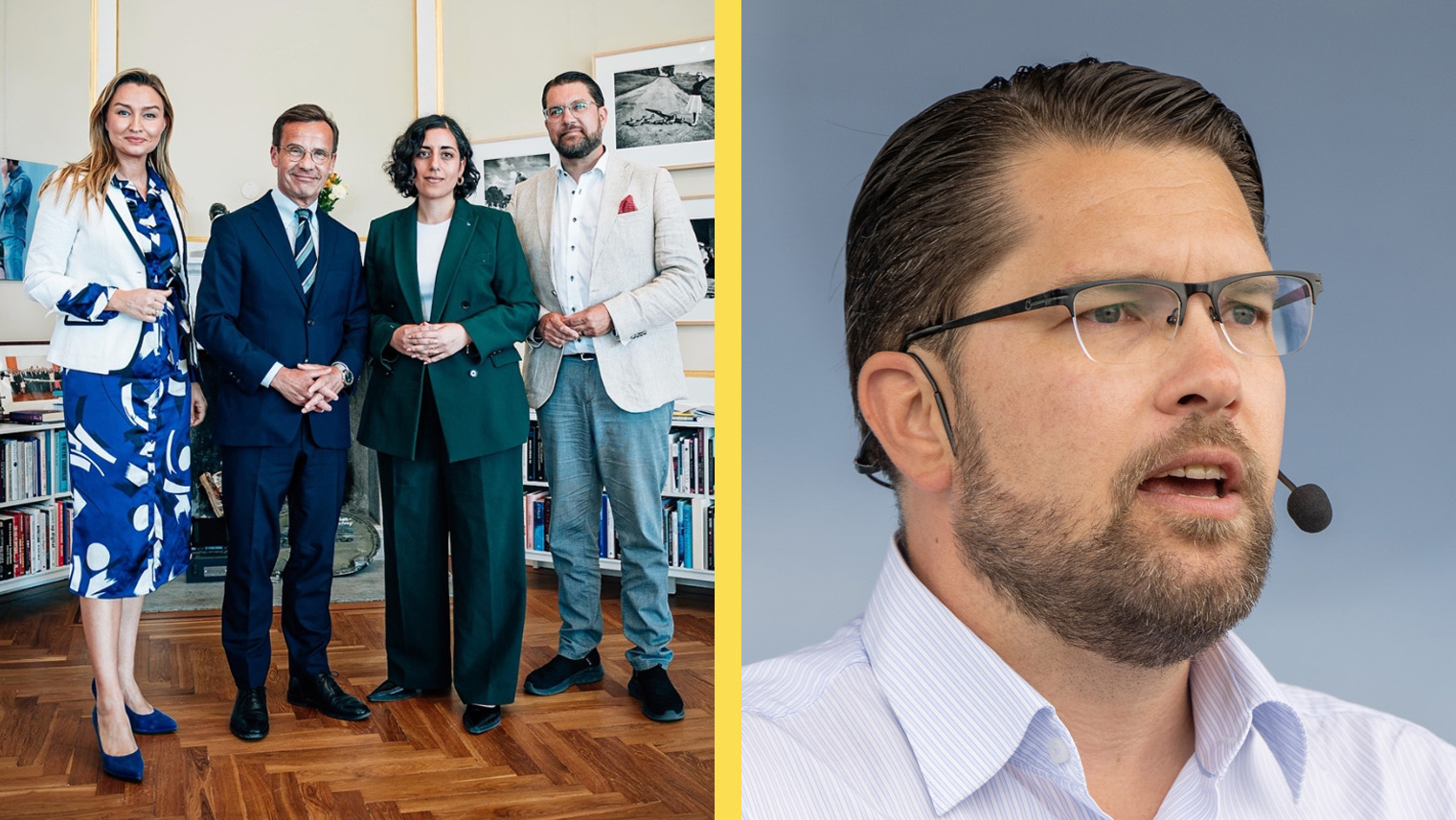
That is not enough. The Sweden Democrats have had real influence over government policy this term. It won't do to say the problem is serious and point to future motions. We need a law.
Banks should have to give clear, concrete reasons when they drop a customer. There must be a real way to have that decision reviewed independently. And anyone running a legal business or organisation should not have to fear being frozen out of the financial system over their opinions.
At the same time, the anti-money laundering rules must be applied in proportion. Fighting financial crime is necessary, but it cannot become a blanket excuse for decisions no outsider is allowed to examine.
There is another gap too. Companies, associations and political organisations do not have the same legal right to payment services that individual consumers have to a basic account. That hole should have been plugged long ago.
It starts with the inconvenient ones
I think many Swedes still see this as something that happens to other people. Parties that have been painted as the bad guys? Alternative media, the outlets state broadcasters like to call bad? Controversial commentators? People who say things the establishment doesn't like?
That is a dangerous way to think. The day we accept that a private company can shut a law-abiding person out of essential services because their views are deemed unsuitable, we have already accepted the principle.
After that, all that is left is deciding which opinions count as unsuitable next time. And who gets to decide.
Today it is Gustav Kasselstrand and Alternative for Sweden. Tomorrow it could be another political movement, a small business owner, a journalist or a pensioner who gives money to the wrong cause.
Anyone who thinks these tools will only ever be used against the people he dislikes has not understood how power works.
Power tends to grow when nobody sets limits. That is why we have constitutions, the rule of law and protection for the individual. Not to make sure everyone thinks the right thing, but so people can disagree without losing the basic ability to live and work.
The banks were trusted to look after our money and handle our payments. They were never given a mandate to look after our consciences.
And if our elected representatives cannot draw that line, then it is not only the banks' power we need to talk about. We also need to ask what our politicians really think freedom is worth.
Jonas Andersson · Political Columnist
Jonas Andersson is a political columnist at Samnytt, writing on Swedish politics, the media, and the post-election crisis in Stockholm.
Follow @SamnyttNews on 𝕏 ↗