Sweden Backs Five-Year Penalty Tax on Petrol and Diesel Cars
The Swedish Transport Agency says yes to stretching the extra tax on new combustion cars from three to five years - up to 30,000 kronor more per car - and to higher annual tax on millions of older cars.

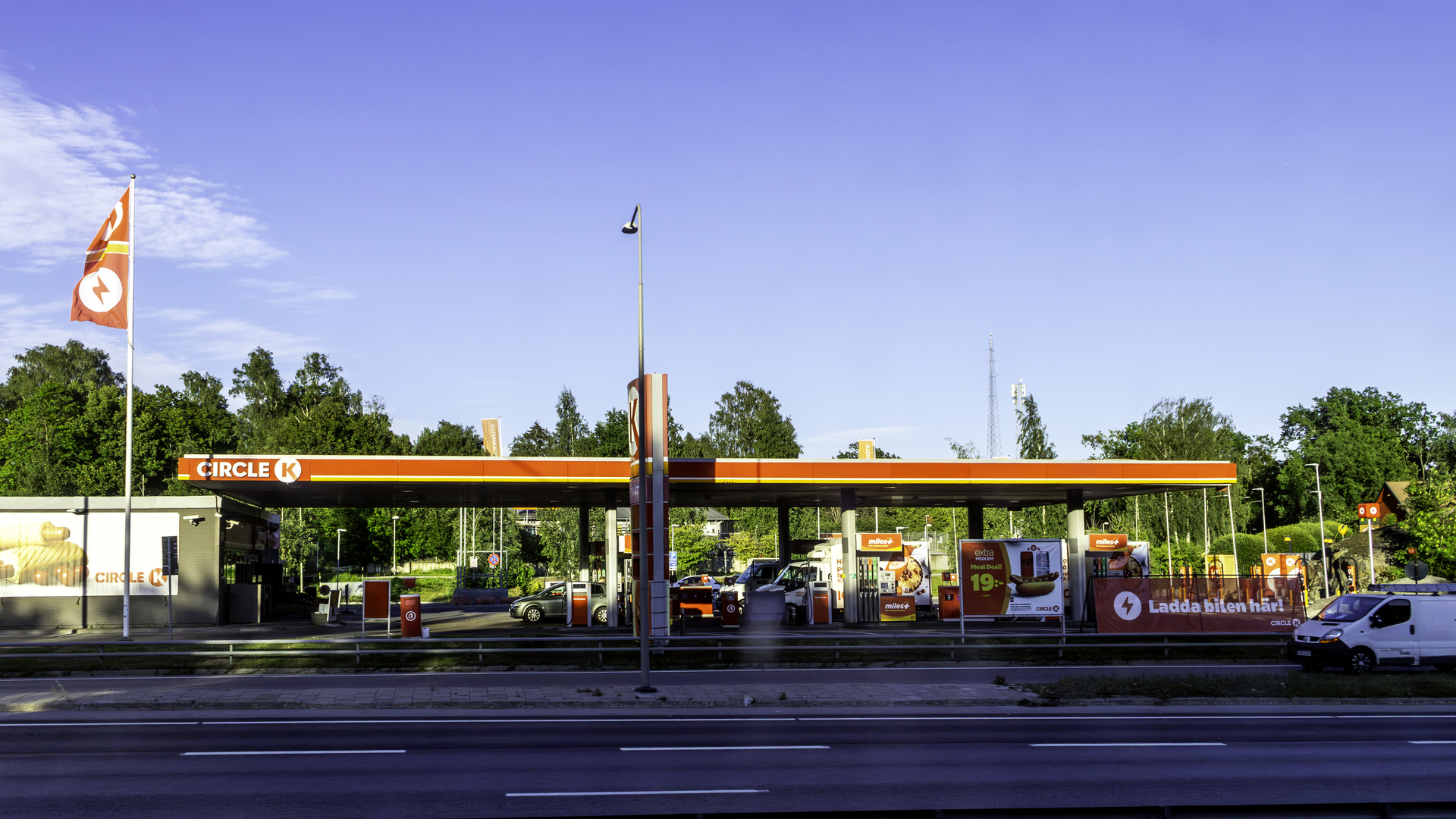
STOCKHOLM - Swedish drivers are heading for a steep tax hike. The Swedish Transport Agency has backed the core of a major government inquiry that would extend the punitive extra tax on new petrol and diesel cars from three years to five - and raise the annual vehicle tax on millions of older cars as well.
In its formal consultation response to the Ministry of Climate and Enterprise, the agency supports most of the tax proposals in the inquiry, which is designed to push combustion-engine cars off Swedish roads and force a faster switch to electric vehicles.
The biggest blow is the so-called malus - the higher vehicle tax charged during a car's first years. Under the proposal, it would run for five years instead of three. According to calculations reported by the motoring site Carup, that could add up to 30,000 kronor (about $2,800) in extra tax over five years for an ordinary petrol or diesel car.
"The Swedish Transport Agency supports extending the malus period for light vehicles from 3 to 5 years," the agency writes.
Aimed at the second-hand market
The point of the extension is to get around the three-year leasing contracts that dominate Sweden's new-car market. Today the penalty tax ends just as a company or leased car is sold on to an ordinary family. Under the new rules, it would follow the car for another two years - deliberately lowering the resale value of fossil-fuelled cars.
"Now the bonus is gone and only the malus is left. It's just money straight into the state coffers," company-car expert Ronny Svensson of Ynnor AB told Carup.
Older cars hit too
The hikes don't stop at new cars. The agency also backs raising the basic annual vehicle tax from 360 to 420 kronor and the carbon component from 22 to 25 kronor per gram. At the same time, the threshold where the carbon charge kicks in would drop from 111 to 95 grams of CO2 per kilometre, and the malus threshold from 75 to 50 grams.
For a typical petrol car emitting 150 grams per kilometre, the annual tax would rise from 1,218 to 1,795 kronor. A car emitting 200 grams would go from 2,318 to 3,045 kronor a year. The agency's only objection is to the proposed start date at the turn of 2028, which it wants coordinated for practical reasons.
Warning over engine damage
The inquiry also proposes a much tougher biofuel blending mandate for petrol and diesel, rising to 21 percent in 2028, 23 percent in 2029 and 25 percent in 2030. The agency backs those levels - but adds a pointed warning that internationally agreed limits on biofuel blending exist "to guarantee the function of vehicles and engines".
The fuel industry group Drivkraft Sverige notes that current law and EU standards allow no more than 10 percent ethanol in petrol. Mechanics who have commented on plans for so-called E20 petrol warn that ethanol lacks petrol's lubricating properties and over time wears hard on injectors and seals in ordinary engines.
In the same response, the agency also green-lights scrapping Sweden's 2006 "pump law" at the end of 2027. The law forced larger filling stations to offer at least one renewable fuel. Once it goes, E85 pumps risk disappearing from many rural stations.
Samnytt News Desk · Stockholm Newsroom
The Samnytt Newsroom in Stockholm reports on Swedish courts, migration, energy policy, and Nordic affairs under Responsible Publisher Simon Kristoffersson, Senior Columnist Mats Dagerlind, and Executive Director Kent Ekeroth.
Follow @SamnyttNews on 𝕏 ↗