Lexbase Challenges Swedish Privacy Ruling on Searchable Criminal Records
Lexbase publisher Gunnar Axén has vowed to challenge a Swedish privacy ruling that would prevent users from retrieving criminal-offence information about individuals through its search service.

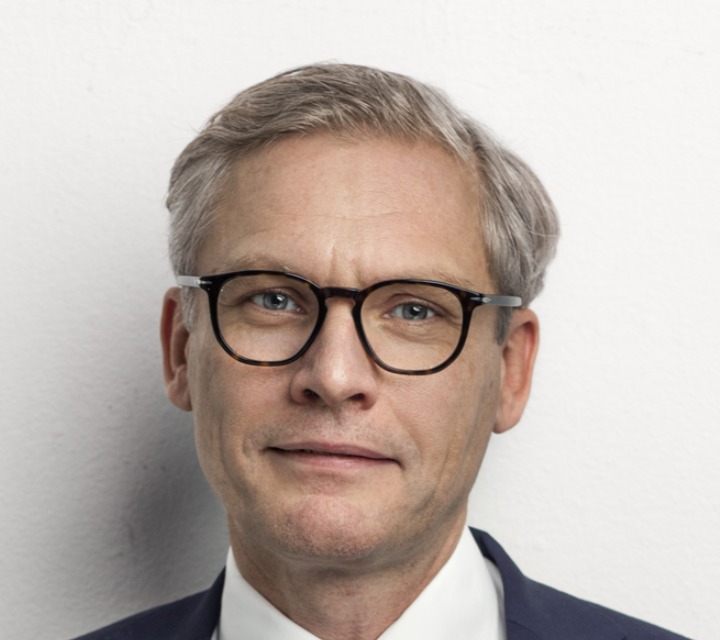
Lexbase publisher Gunnar Axén has vowed to challenge a Swedish privacy ruling that would prevent users from retrieving criminal-offence information about individuals through its search service.
The Swedish Authority for Privacy Protection says the processing lacks a legal basis under Article 10 of the European Union's General Data Protection Regulation. Its decision also reprimands the company behind Lexbase, according to the text reproduced by Samnytt.
The order requires changes so users searching by name, personal identity number or address can no longer obtain the criminal-offence information covered by that provision. The deadline is two months after the decision becomes legally binding. It is not an immediate order to close every part of the website.
In an interview with Samnytt, Axén argues that the authority has failed to recognise changes to Lexbase's operation. He says it now publishes articles based on judgments rather than distributing court documents, and should therefore be treated as journalism.
The dispute concerns the boundary between privacy protection, access to public records and Sweden's constitutional safeguards for publishing. Axén says Lexbase intends to pursue the case through the administrative courts.
Sweden Democrat justice spokesperson Alexander Christiansson has called on the government to act. Axén says he has also spoken with Moderate lawmakers about the decision.
Axén separately criticises the authority's director-general, who is also leading a government inquiry into background checks. His assertion that the two roles create a conflict is his own assessment, not a finding by a court or oversight body.
This report is an English adaptation of Samnytt's Swedish reporting published on 5 November 2026.
Daniel Lönn · Reporter
Daniel Lönn reports for Samnytt. This article is an English adaptation of his Swedish reporting.
Follow @SamnyttNews on 𝕏 ↗