
The Japanese government has drastically tightened the country’s immigration policy and carried out a record number of forced deportations in 2025. According to official figures, 318 people were deported from the country under escort by immigration authorities, which is about 30 percent more than the previous year.
Behind this development lies the government’s so-called “Zero Illegal Foreign Residents Plan,” often referred to as the “Zero Plan,” which was launched to reduce the number of people residing in the country without valid permits. The plan involves, among other things, that individuals who have received final deportation orders are to be removed more quickly. Japanese authorities have also specifically targeted people who have applied for asylum multiple times.
The package requires the authority’s systems for collecting and analyzing data from social media to detect illegal employment to be improved, and that measures against employers facilitating such employment are intensified.
READ ALSO: The Japanese have had enough of Muslim immigrants
Of the 318 people who were forcibly deported in 2025, 52 had applied for refugee status three times or more. Legislative changes introduced in 2024 make it possible to deport individuals after a third asylum application, provided no new grounds for protection are presented.
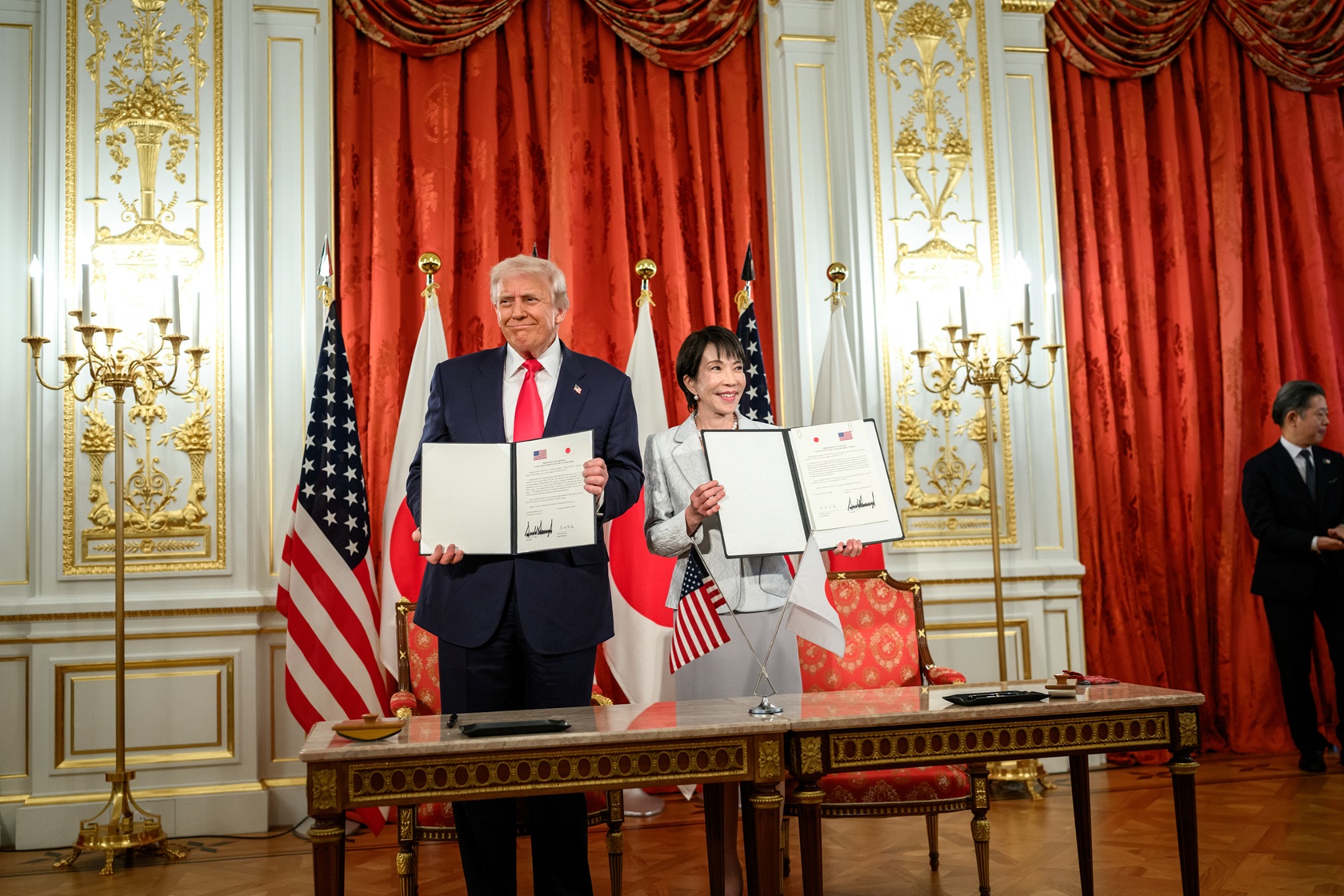
The government, under Prime Minister Sanae Takaichi, has simultaneously taken a tougher stance on migration issues. According to several Japanese media outlets, the measures are justified by authorities’ desire to reduce the number of people remaining in the country despite deportation orders and to strengthen order and security in society. The goal is to halve the number of people with final deportation orders before 2030 while at the same time doubling the number of forced deportations funded by the state.
Creates Fear
At the same time, criticism is growing from human rights organizations and groups working with refugee issues. They argue that the tougher stance is creating fear among foreigners in Japan, even among people who have lived in the country for a long time and established family lives there. Organizations have also warned that people with legitimate protection needs risk being sent back to countries where they may face persecution or danger.
There has also been criticism of how asylum applications are handled. According to reports, the number of cases classified as clearly unfounded increased significantly in 2025. These applications can be rejected quickly without a full interview and without the applicant receiving temporary residence during the process. At the same time, only 187 refugee applications were approved in Japan during the year, which remains a very low level compared to many other industrialized nations.
Polarized Debate
This development comes as Japan is experiencing record-high levels of both tourism and immigration. The number of foreign residents in the country exceeded four million for the first time in 2025, while the number of tourists reached new records. The government is also planning to bring forward the introduction of a new electronic pre-screening system for travelers, JESTA, which will allow authorities to prevent people from traveling to Japan before they arrive.
The debate on migration in Japan has also become increasingly polarized. Advocates for the tougher stance argue that the country must enforce its regulations and prevent abuse of the asylum system, while critics warn that the rhetoric risks increasing suspicion toward foreigners in general. At the same time, Japan faces a growing labor shortage and an increasing need for foreign labor, making the issue politically sensitive going forward.
READ ALSO: VIDEO: Japanese politician rejects Muslim culture