1,500 Dental Patients Offered HIV Tests After Cleaning Blunder
Around 1,500 patients at a public dental clinic in Växjö are being offered tests for HIV and hepatitis after a new disinfection machine was run four times on the drying cycle only.

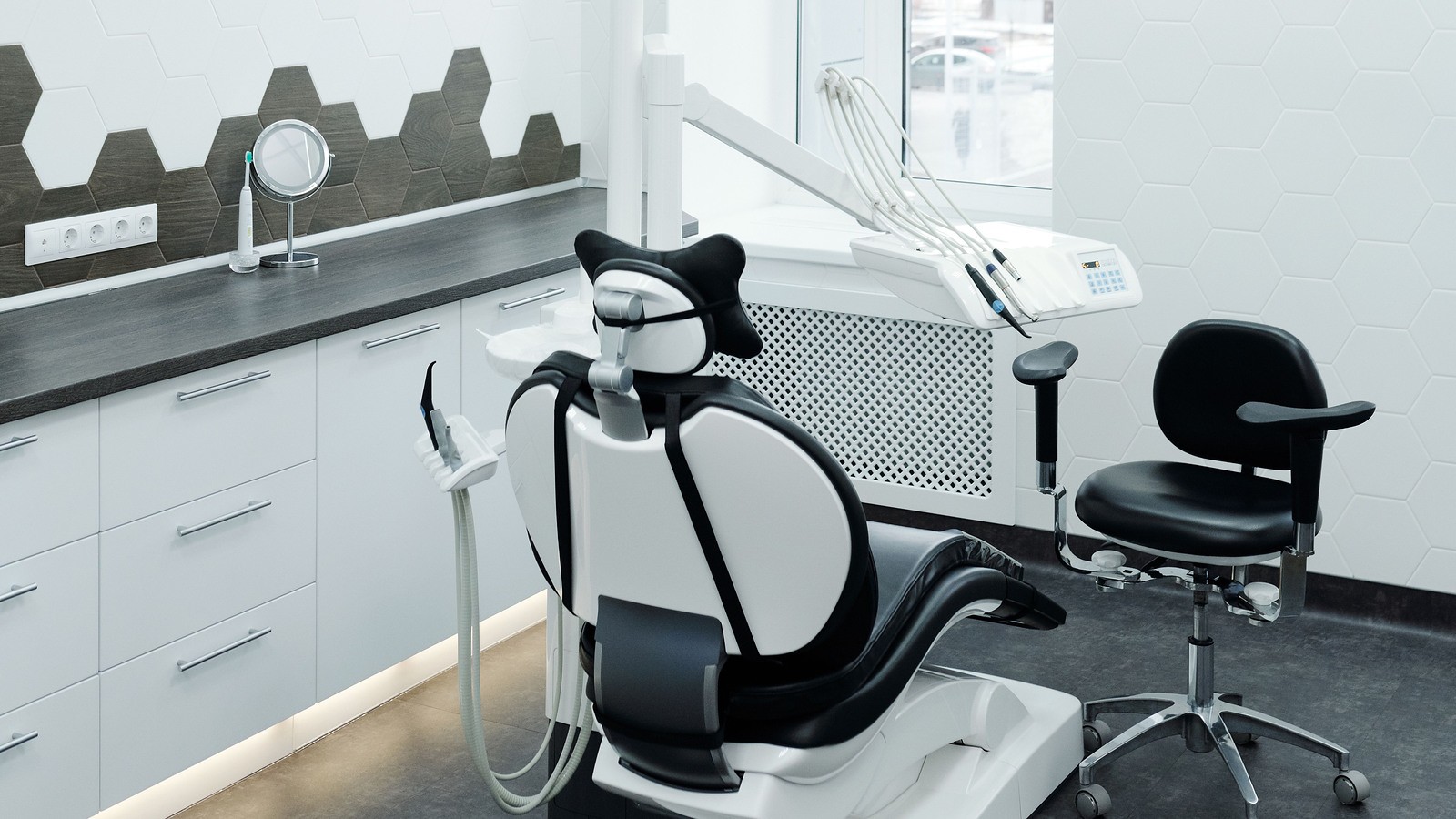
VÄXJÖ - Around 1,500 patients at a public dental clinic in Växjö, southern Sweden, are being offered tests for hepatitis B, hepatitis C and HIV after some instruments may not have been properly cleaned.
The regional health authority in Kronoberg says the risk of infection is very small and that the testing is a precaution.
The clinic on Klostergatan has four washer-disinfectors. Instruments are first washed, then heated to disinfect them and finally dried. One of the machines is a new model that has been in use since mid-October.
On four occasions it was run on the drying programme only, instead of the full cycle, the region said in a press release on Monday.
Because there is no way to tell which patients may have been treated with instruments from those runs, everyone treated at the clinic between 16 October and 5 November is being offered testing. That covers both general and specialist dentistry.
"We judge the risk of infection to be very small, but since we cannot completely rule it out, we are offering testing," said infection control physician Christian Blomkvist.
A second test after six months
Patients are offered a first blood sample that will be stored. After about six months a new sample will be taken and analysed. If there are signs of infection, the first sample will also be analysed to work out when the infection may have happened.
Patients who have chosen digital contact with the health service will get a message in the national healthcare app. Everyone else will receive a letter.
When the problem was discovered on 5 November, the units on Klostergatan were shut immediately. All instruments were cleaned and disinfected again before the clinic reopened the next day.
"When our routines have not worked as they should, we take it extremely seriously and take responsibility," said Kerstin Gyllensvärd, head of general dentistry.
According to the region, the settings on the washer-disinfectors have been restricted and checks carried out to make sure nothing similar can happen again. The investigation into what went wrong is continuing.
READ ALSO: Care Resident Died After Fall - Hospital Came a Day Late
Mats Dagerlind · Senior Political Columnist
Mats Dagerlind is Senior Political Columnist at Samnytt and Samnytt News. A veteran Swedish political commentator and essayist, he covers Swedish domestic politics, free speech, cultural identity, and media accountability.
Follow @SamnyttNews on 𝕏 ↗