She took the fight against wind power – twelve years later, Madeleine is still standing her ground
She lived a quiet life on a farm in Turkey with horses, vineyards, and family when machines suddenly drove onto the land. Madeleine Staaf Kura was only trying to defend what was hers – but the fight changed her…
- She lived a quiet life on a farm in Turkey with horses, vineyards, and family when machines suddenly drove onto the land.
- Madeleine Staaf Kura was only trying to defend what was hers – but the fight changed her life and made her one of Sweden’s most prominent critics of wind power expansion.
- – I never do anything halfway, she tells Samnytt.
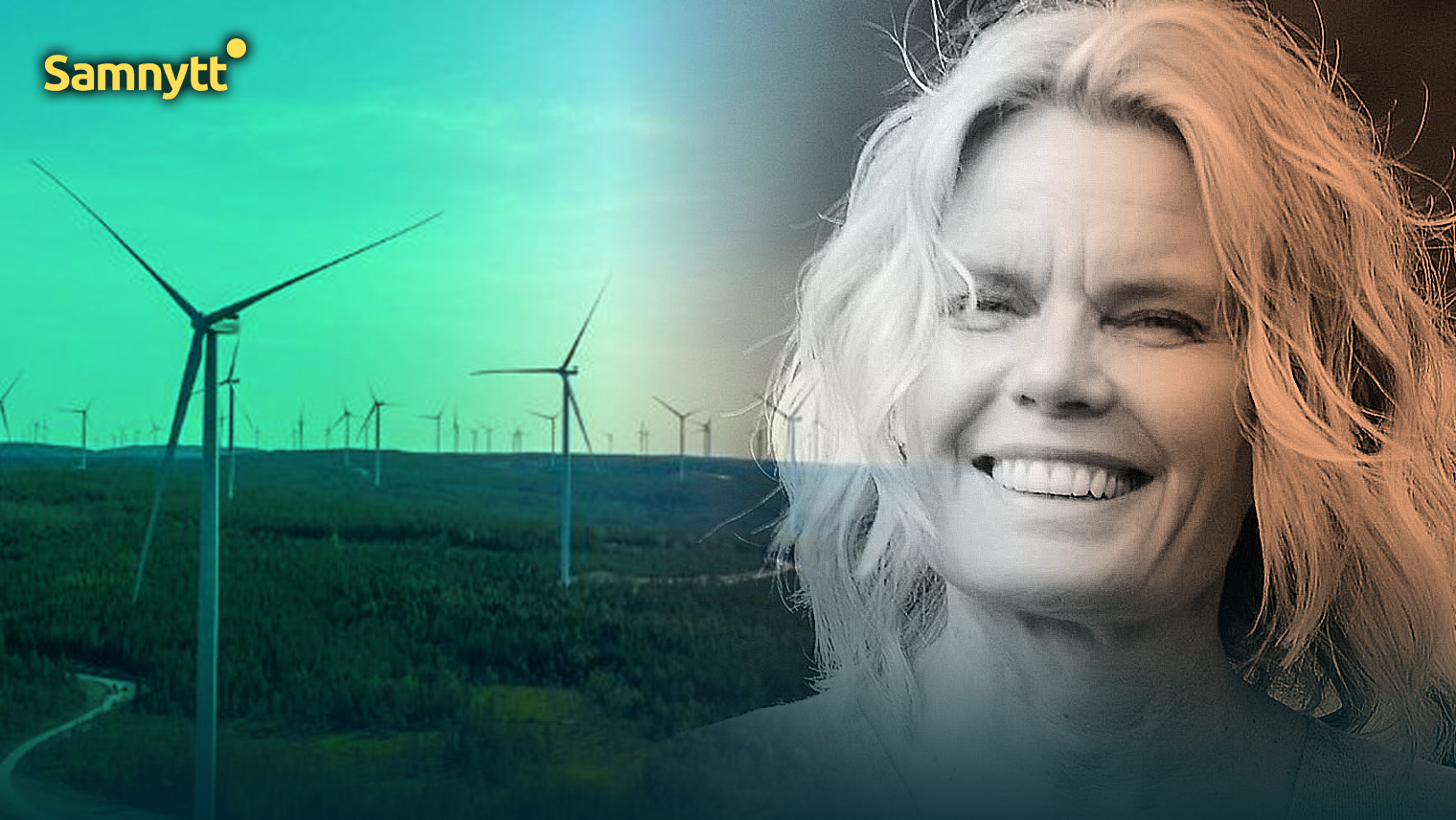
She lived a quiet life on a farm in Turkey with horses, vineyards, and family when machines suddenly drove onto the land. Madeleine Staaf Kura was only trying to defend what was hers – but the fight changed her life and made her one of Sweden’s most prominent critics of wind power expansion.
– I never do anything halfway, she tells Samnytt.
When Madeleine Staaf Kura talks about life before wind power, it almost sounds like an entirely different life. She had long since left Sweden and lived with her family on a farm in Turkey, with horses, vineyards, and an old stone house.
Contact with Sweden was limited. Life revolved around the children, the home, friends, and the farm. Then, suddenly, construction machines showed up on the family’s land.
– You go out and ask: What are you doing? We’re building wind power. Good, that’s nice. But now you’re going to build it on our land that we own and where we have other plans for what we want to do.
That was the beginning of a conflict that still hasn’t been entirely resolved. Madeleine initiated a legal process and was told by her Turkish lawyers that it could be lengthy.
– They said it would take a couple of years. Okay, we’ll push all the way, I thought.
It turned out to be much longer than that.
“I never do anything halfway”
Twelve years later, wind power still dominates much of Madeleine Staaf Kura’s life. What started as a fight for her own land grew step by step into something much larger.
She describes herself as a person who finds it hard to leave a problem unsolved.
You start to understand what it really is. And I see it with everyone I talk to. At first, you think: “I’m not against it, but not here. We have such beautiful forests and landscapes.” Then, when you start reading, you see something bigger. That’s when I realized it’s the same finance, the same politics. It’s the same green narrative behind it.
Madeleine Staaf Kura
– In my character, I’ve always finished everything I’ve started. I never do anything halfway. I didn’t know it would be twelve years – they told me it would take a year and a half. She adds:
– It turned out to be a bit more.
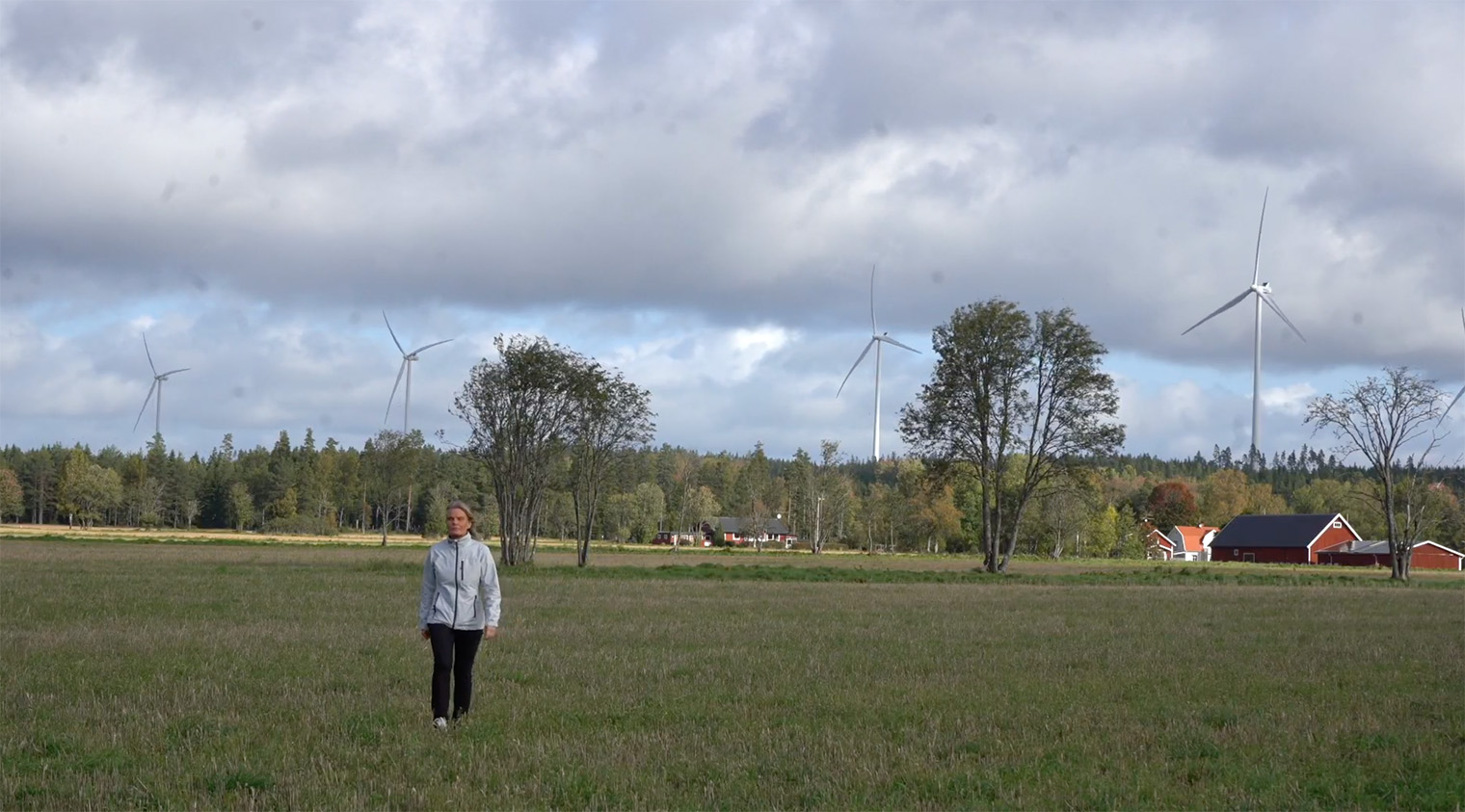
When she started the conflict, she claims she knew nothing about energy policy or politics in general. Her knowledge developed gradually – first because she needed to understand what was happening to her own land, then because she began to notice the same problems elsewhere.
– You start to understand what it is. And I see it with everyone I talk to. At first, you think: “I’m not against it, but not here. We have such beautiful forests and landscapes.” Then, when you read up, you start to see something bigger.
For Madeleine, the turning point was what she describes as “system errors.” She noticed the same pattern recurring in different processes and started comparing her experience in Turkey with wind power expansion in Sweden.
– That’s when I discovered it’s the same finances, the same politics. The same green narrative is behind it.
This eventually led to Vindkraftsupplysningen and an engagement that has become almost a full-time job in practice.
Emails start coming in the morning
A typical day starts with the inbox. There are questions, documents, and updates from people involved in various wind power processes across Sweden.
– They want to keep me updated in their cases. I’d say I’m probably the person in Sweden who has the greatest overview and network of people all over the country. I know when there’s a court decision and when things happen at the authorities.
At the same time, she keeps an eye on what is happening at the government level and within agencies, universities, and the wind power industry. Over the years, an extensive network of contacts has developed.
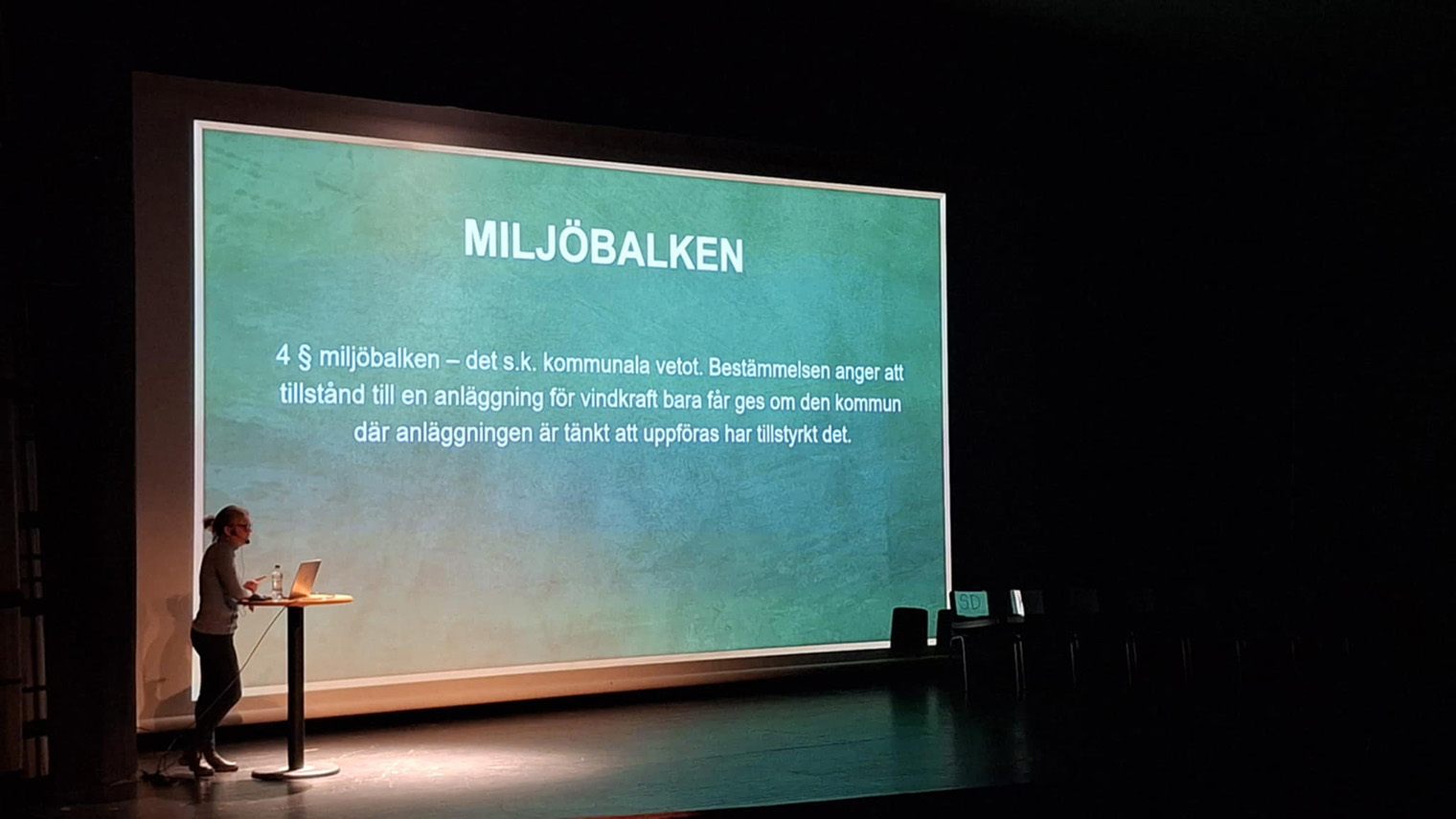
But she does not describe any large organization with paid staff behind her. Much of the work is done by herself.
– I have food on the table. That’s not a problem, I don’t have to worry about that. But all the time I put in is time I could have used for something else. Either earning money or doing something else.
The financial aspect is therefore not the main price she talks about – it’s time.
– There’s no social life. No social life at all. It does wear you out.
Has your husband or friends ever said, “Now you have to stop doing this”?
– I’m quite a determined person. I’ve always been the one people come to when they have problems, and I fix things. I do that here as well.
I’m very good at adapting and I can talk to anyone. Doesn’t matter if it’s a professor or a farmer, rich or poor. I treat everyone pretty much the same.
Madeleine Staaf Kura
But then she almost corrects the view of herself as the self-sacrificing helper.
– I’m not really the nice girl who takes care of everyone. I am kind, but that’s not my thing. I get triggered when I see problems. Then I can’t stop thinking. I have to solve this problem – how do we solve it?
Helping other people is rather a consequence of this, she feels.
– It’s very much the drive – to solve problems that are actually very difficult to solve.
“Professor or farmer, it doesn’t matter”
Perhaps part of the explanation for her role in the opposition lies here. Madeleine describes herself as someone who easily moves between different environments and people.
The years abroad have also shaped her.
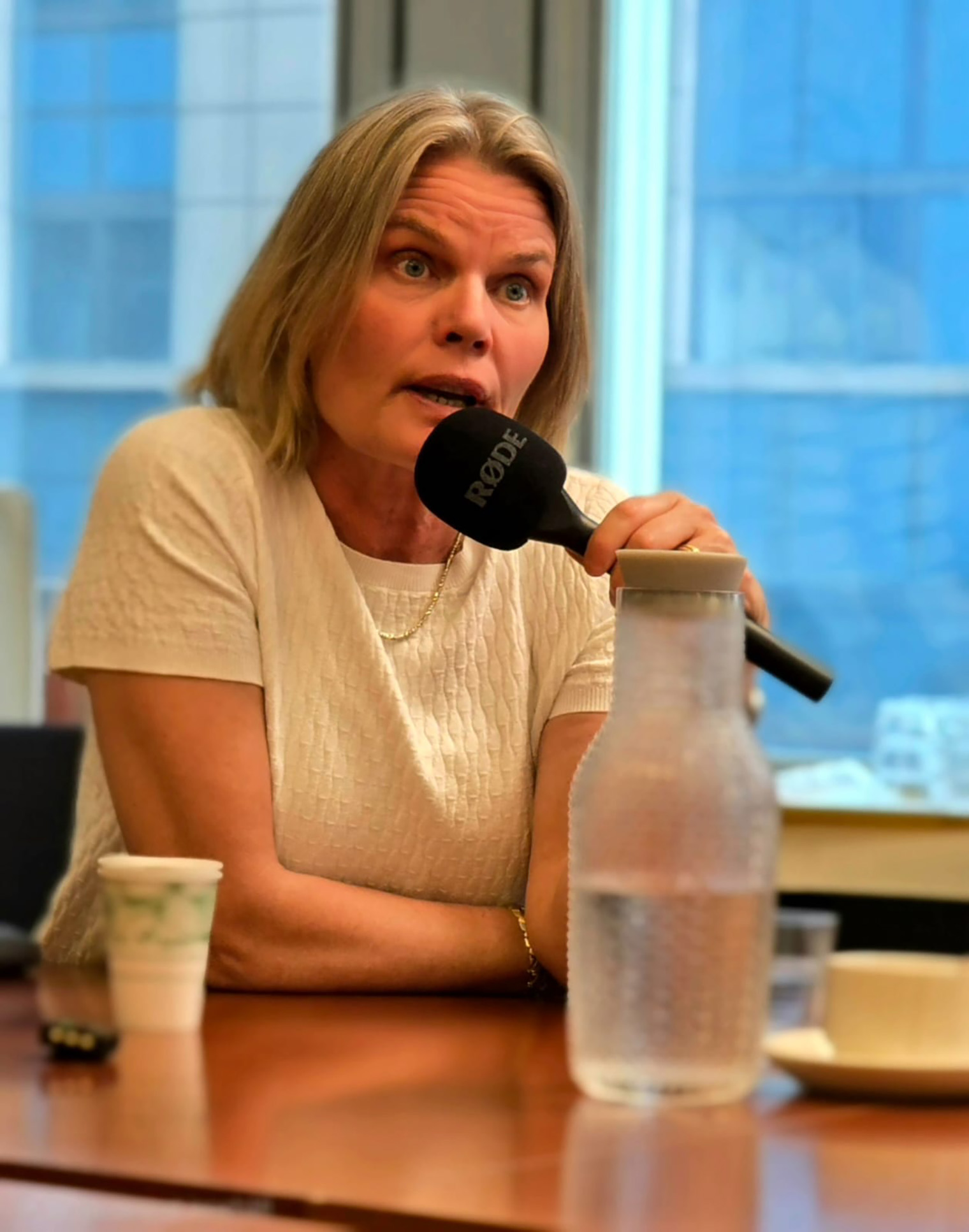
– I’m very good at adapting and I can talk to anyone. It doesn’t matter if it’s a professor or a farmer, rich or poor. I treat everyone pretty equally.
This ability has been useful when she’s faced companies, authorities, politicians, and professional lobbying organizations.
– I’ve always had enormous strength. I can stand up to ten people, no problem.
One reason I started Vindkraftsupplysningen was to have your own voice. To say what you want, not let others tell you what you are.
Madeleine Staaf Kura
She herself lacks a party-political background. Asked if any party has tried to recruit her, she says she would likely have been welcome in several, but that her role is different.
She has, however, noticed major differences in how politicians have responded to her.
– Both the Christian Democrats and the Sweden Democrats have been very open and receptive. The Moderates don’t even reply.
At the same time, she rejects labels like “right-wing activist,” “wind power opponent,” and “climate denier.”
– One reason I started Vindkraftsupplysningen was to own your own voice. To say what you want, and not let others decide what you are.
A significant part of Madeleine’s criticism is aimed at the media. She believes the wind power industry has had considerable influence over the narrative of expansion and that the mainstream media have too rarely scrutinized the economic and legal structures behind the projects. Public service receives particularly harsh criticism.
– If public service had done its job, if they’d dug into the finances and permit processes and let people speak out…
She feels that reporting from rural areas too often reduces conflicts to noise, environmental values, or the impact on individual species, when she believes the larger issues are about economics, property rights, authority processes, and taxpayers’ money.
I don’t know which is worse, the wind power world or the dementia world. About equally crazy, both of them.
Madeleine Staaf Kura
At the same time, she says there are media outlets that stand out from the crowd and actually allow arguments from both sides.
Two years beside her mother
In recent years, another reality has existed in parallel with her wind power work. For two years, Madeleine cared for her mother, who had Alzheimer’s.
– I don’t know which world is worse, the wind power world or the dementia world. About equally crazy, both of them.
She says this with a laugh, but the story also reveals how difficult the work has become to separate from her private life.
– I was with my mother 24/7. She slept a lot, so in those recent years, whenever I sat beside her, I worked.
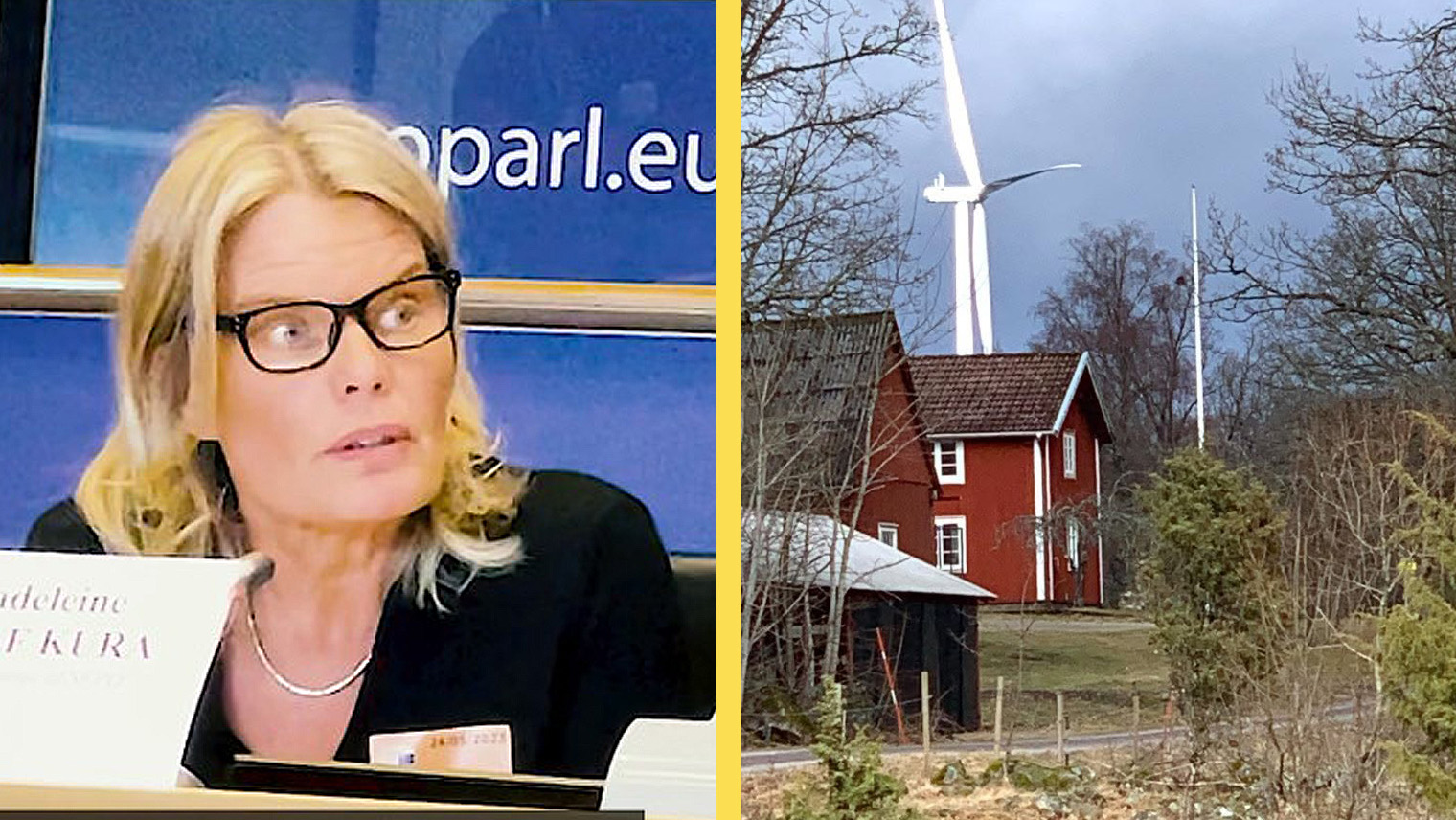
Has the fight been worth the price?
Madeleine falls silent for a moment.
– Oh. Yes… It’s hard to say no. I have to say yes, because we see the result.
But the answer is followed by a statement that says more about the price than any calculation of working hours ever could. She was about 45 when the fight began. Now she is almost 60.
– They’ve taken an important part of your life. Those are years when you could have simply enjoyed life.
“There are such fantastic people”
At the same time, there’s something she wouldn’t have gained without these years – the people. When Madeleine is asked if there’s any particular story from all the people she’s helped that remains with her, she finds it hard to choose just one.
– There are so many.
Then she realizes what she wants to say.
– If there’s anything good, it’s that you meet incredibly genuine people you would never otherwise have met. There are such fantastic people out in the country. It’s amazing.
The problem, she believes, is that people often only encounter the wind power issue when a project ends up near them. Then they delve into hundreds of pages of documents, learn legislation and permitting processes, and in a short time build up great knowledge. Then the fight ends.
– They might win, and then everyone disappears. The worst thing for me is the knowledge that disappears. They’ve become experts in the subject. They could be the world’s best speakers.
Instead, the next group of people begins from scratch elsewhere in Sweden. But Madeleine remains.