SD Leader Dismisses Policy Shift After Election Loss
For the first time in its history, the Sweden Democrats lost voters in a parliamentary election this September. Following this historic setback, the party has, also for the first time, commissioned a national…
- For the first time in its history, the Sweden Democrats lost voters in a parliamentary election this September.
- Following this historic setback, the party has, also for the first time, commissioned a national election analysis to be presented in December.
- At the same time, there is an internal struggle regarding the party’s future direction.
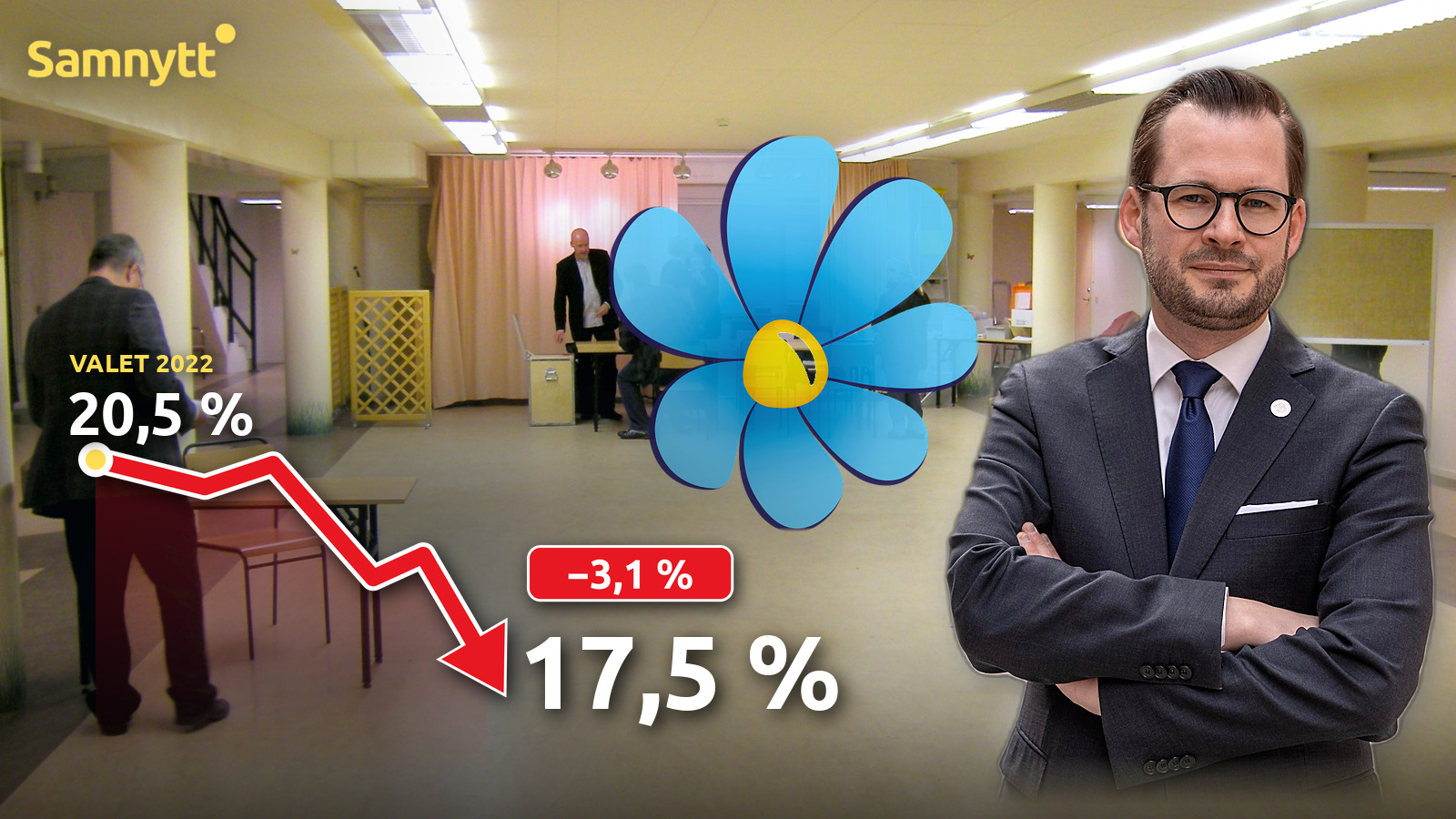
For the first time in its history, the Sweden Democrats lost voters in a parliamentary election this September. Following this historic setback, the party has, also for the first time, commissioned a national election analysis to be presented in December. At the same time, there is an internal struggle regarding the party’s future direction. But even before the investigation is complete, party secretary Mattias Bäckström Johansson makes it clear that no major changes to the party’s political orientation are on the table.
After achieving a result of 17.48 percent and losing eleven parliamentary seats, heated discussions have taken place regarding why the Sweden Democrats lost voters.
Potential reasons pointed out include the obligations in the Tidö Agreement, the announcement of a general ban on veils, and the election campaign’s collaboration with the artist Fröken Snusk.
To get to the root of what went wrong, the party leadership has commissioned an election analysis from the affiliated think tank Oikos, which is expected to deliver its report to the party in December.
Despite the fact that the report is not yet finished, party secretary Mattias Bäckström Johansson downplays expectations of a major change in policy direction in an interview with TV4.
“You can expect some minor adjustments. We have had a clear direction for a long time and that will continue,” Mattias Bäckström Johansson tells the channel.
According to the party secretary, there will be no major restructuring of the party as a result of the conclusions the election analysis will produce, even if there is reason to evaluate the policies and how the party has been perceived externally.
“Much of the fundamental policy documents will, of course, remain. But there is every reason to review various policy areas. To conduct a somewhat more in-depth analysis of the policies we’ve pursued. How have we perceived ourselves? How have others perceived us?” he tells TV4.
Points Out Role as Support Party
Mattias Bäckström Johansson himself judges that the loss of votes is linked to the role the Sweden Democrats held during the past parliamentary term.
As a cooperating partner and support party for the Moderates, Christian Democrats, and Liberals, the party could not pursue its own line as fully as before. According to him, it is in the nature of things to lose voters if you are not a strong opposition force.
This reasoning aligns with what party leader Jimmie Åkesson expressed shortly after the election, when he pointed out that a potential loss of voters after four years of compromises and responsibility was anticipated and that the party had struggled to gain recognition for implemented reforms.
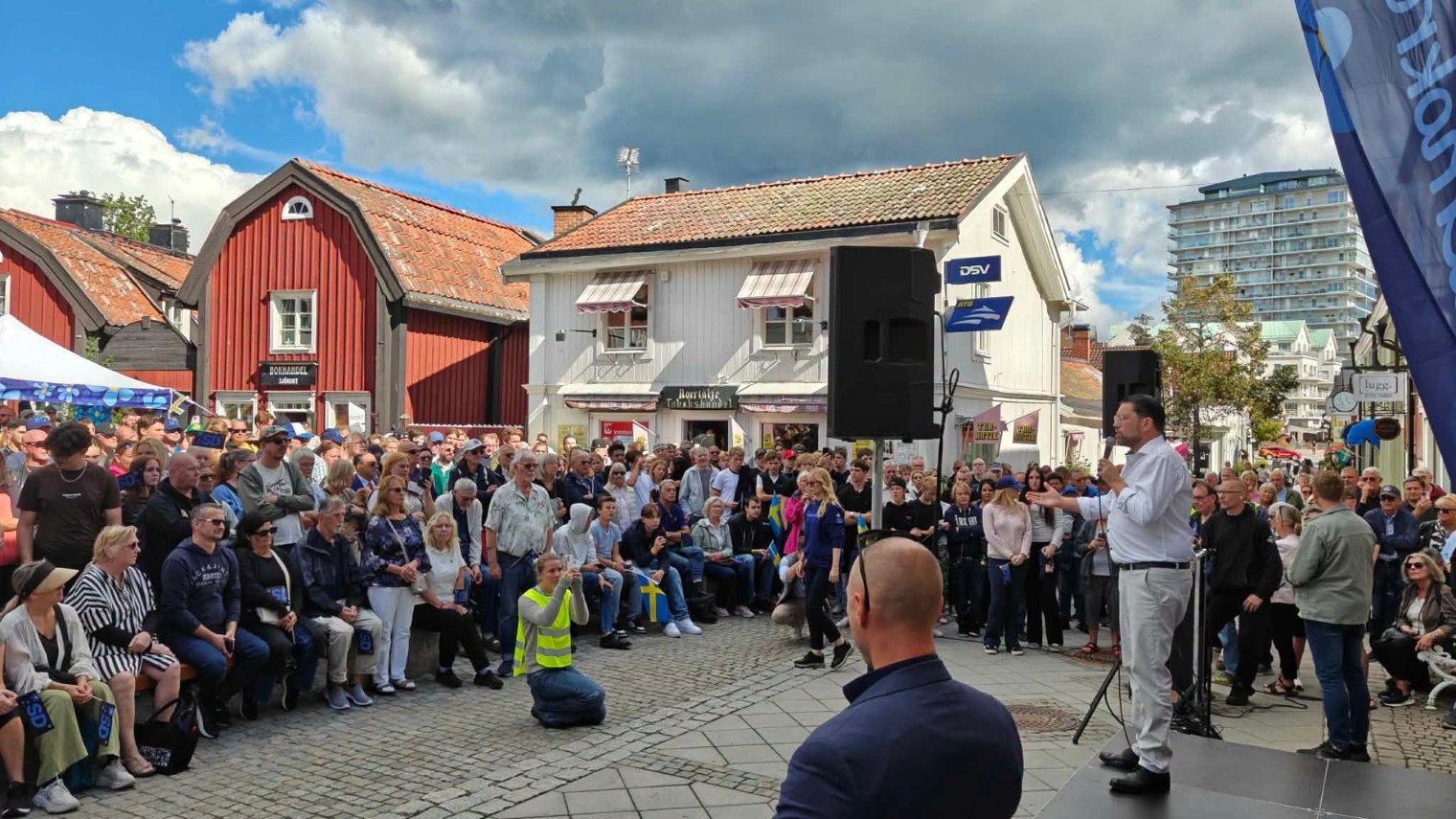
Even though the Sweden Democrats lost ground in the parliamentary election, the party appears poised to take part in more municipal governments across the country than before. Looking forward, Jimmie Åkesson wants to sharpen the challenge against the Social Democrats for the role of Sweden’s largest party by emphasizing economic policy and welfare issues, alongside the core issues of migration and crime prevention.
Identity Crisis and Internal Strife
At the Oikos think tank, the work on the election analysis is led by commentator Carl Eos. He notes that the largest flow of voters away from the Sweden Democrats appears to have gone to other center-right parties, which will now be examined more closely.
“I think the party has great potential, especially in economic issues, pocketbook issues, and also welfare matters—which are connected to pocketbook questions,” says Carl Eos.
When asked whether such a broadening risks leading to an identity crisis, with the party transforming into a watered-down version of the Moderates or Social Democrats, Eos says that this problem will also be addressed in the inquiry, but that ultimately it’s an internal matter for the party to decide on.
In parallel with the ongoing analysis, there is an active debate on social media among party representatives, Oikos figures, and Sweden Democrat supporters over the notion of Swedishness. The conflict is between a faction that emphasizes that culture is the only decisive factor, and another that argues biological origin also plays a role.
This conflict has, according to media reports, led to claims that the future of Member of Parliament Richard Jomshof is now being discussed at the highest levels within the Sweden Democrats, after he was considered to go against party leadership’s position that genetic group affiliation has no significance. Jomshof himself has stated that he expects the issue to be addressed further at the party’s upcoming national meeting.