Ekeroth: When Tusk Seizes a Court With Riot Police, It's Called the Rule of Law
Poland's government locked the Constitutional Tribunal's president out with riot police and walked its own judges in through the back door. Brussels, which fined PiS a million euros a day, is silent.
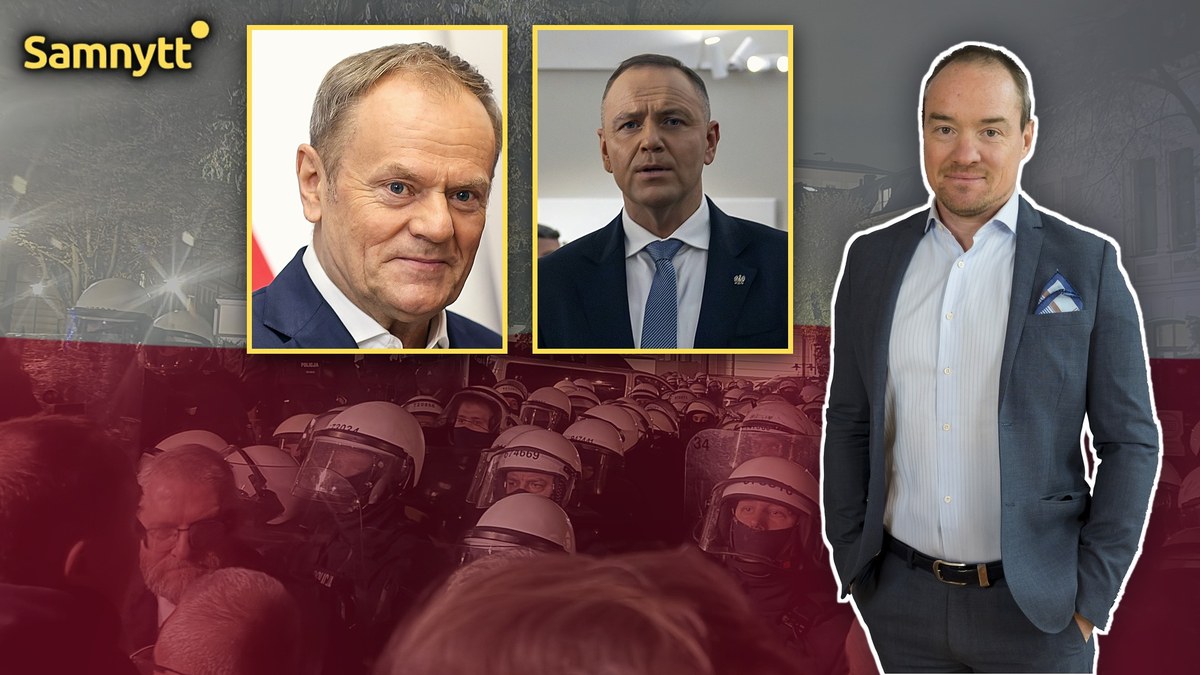
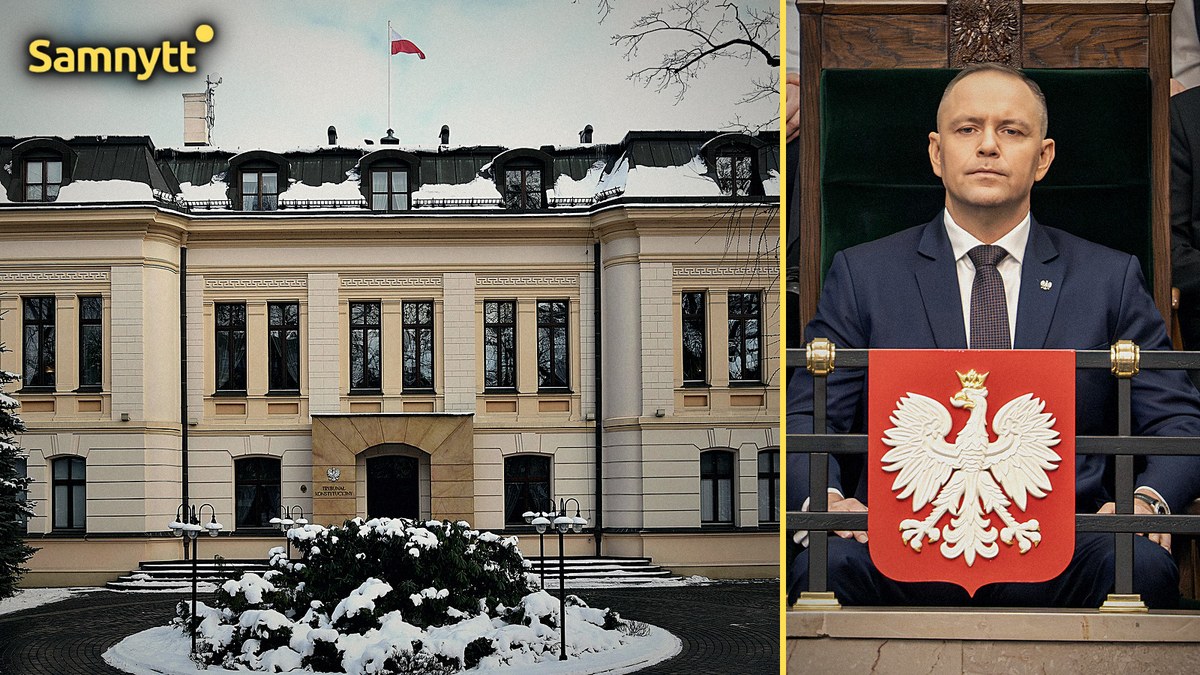
EDITORIAL • Last Friday, the president of Poland's Constitutional Tribunal, Bogdan Święczkowski, was suspended from his job. Judges loyal to the government were smuggled into the court through a back entrance by the state security service, and riot police locked Święczkowski out of his own workplace. The Swedish press calls this "restoring the rule of law". What it has not told its readers is the crucial part: the EU punished the previous government hard for meddling with the courts, and the new government is now doing the same thing, only worse.
The Constitutional Tribunal is Poland's special court for constitutional questions. It rules on whether laws passed by parliament comply with the constitution and can strike down those that do not. Whoever controls the court decides, in practice, which laws stand. That is why the fight over it has raged for ten years.
Poland is now governed by Prime Minister Donald Tusk, a liberal and former President of the European Council. His coalition took power in December 2023 after eight years of rule by the conservative Law and Justice party, PiS.
President Karol Nawrocki, however, comes from the PiS camp and has refused to swear in the judges that Tusk's parliamentary majority elected to the court.
What happened on Friday?
The court's president, Bogdan Święczkowski, appointed during the PiS years, was suspended for a month. The decision was not taken by any independent body.
It was taken by Judge Anna Korwin-Piotrowska, one of the very judges Tusk's majority elected and the president refused to swear in. At the same time, Korwin-Piotrowska took over the running of the court herself, on the grounds that she was its longest-serving judge.
Seven of the government's judges were then escorted into the building by the state security service, through the back gate from the Prime Minister's office. Riot police surrounded the court and stopped its president from getting in.
Meanwhile, Justice Minister Waldemar Żurek asked for the immunity of the court's president and vice president to be lifted so they can be prosecuted.
President Nawrocki cut short a trip abroad, made his way into the court during the night and said the government had seized a constitutional body by force. Tusk replied that it was the government's duty to restore the rule of law and that there was no other way.
What the Swedish press leaves out
Remember the noise when PiS was in power? In 2017 the EU launched the Article 7 procedure, the Union's sharpest weapon against a member state seen as a threat to the rule of law.
It dragged on for more than six years. The EU Court of Justice imposed fines of one million euros a day because Poland would not shut down a contested disciplinary chamber for judges, and 320 million euros was deducted from Poland's EU funds.
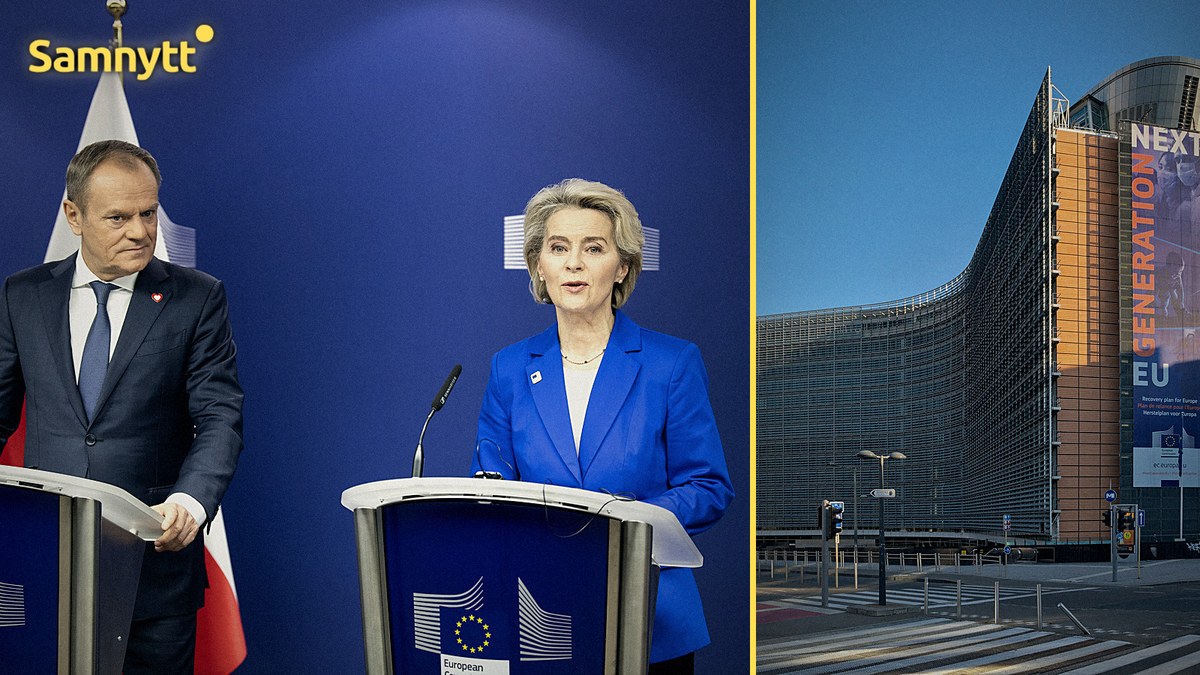
Then came Tusk. Within three months, the European Commission decided to release up to 137 billion euros in frozen EU money: 59.8 billion from the EU recovery fund and 76.5 billion from the cohesion funds. Among its reasons, the Commission cited reforms of the disciplinary system for judges.
But those reforms had largely been carried out under PiS in 2022, and back then they were not enough. After roughly five months of Tusk in power, Article 7 was closed. What was unacceptable under PiS suddenly became fine once the "right" side had taken over.
And what does Brussels say now, as government judges are brought in under police protection and the court's president is shut out? As far as I can tell, at the time of writing: nothing.
The same methods PiS was condemned for
Under PiS, it was fiercely criticised that the justice minister was also the prosecutor general, since that lets a politician steer prosecutions against judges. Today Żurek holds exactly the same double role. And he is using it.
On October 14 he single-handedly suspended three judges at the Warsaw Court of Appeal. During the PiS years they had been appointed to investigate and pursue disciplinary cases against judges suspected of misconduct, a kind of internal affairs unit for the judiciary. Tusk's government removed them from those posts.
In January, Poland's Supreme Court ruled that the removals were unlawful, and the ruling came from judges who were not appointed by PiS. Żurek ignored it. The three judges carried on with their duties, backed by the Supreme Court's ruling.
Now the prosecution service, which Żurek himself heads as prosecutor general, wants to charge them with posing as holders of posts they no longer hold. As far as I can tell, none of this has been mentioned in Swedish media.
Not even the government's own sympathisers in the legal world buy Friday's decision. Law professor Marcin Matczak, an outspoken critic of PiS, wrote that he never thought he would defend Święczkowski, but that the legal basis for the suspension is "non-existent for a million reasons".
The justice minister, after all, has no oversight of the Constitutional Tribunal. Britain's Guardian reports this. The Swedish press barely mentions it.
Who packed the court first?
The story told in Swedish media is that PiS wrecked the court and Tusk is now cleaning up. But it was Tusk's outgoing coalition that in 2015 elected five judges to the court, even though it was only entitled to elect three. Even Dagens Nyheter admits as much, in a fact box at the very bottom.
Still, it is Tusk's version that shapes the coverage. Swedish public broadcaster SVT writes in its very first paragraph that, according to Tusk, the decision "is about restoring the Polish rule of law".
Using police and the security service to take over a court is described as repairing the rule of law. Not as what it actually is: a political seizure of a court.
The same pattern everywhere
Poland is no exception. In Hungary, Péter Magyar wants to remove the president and replace judges. In Romania, an entire presidential election was annulled when the wrong candidate won the first round. In Brazil, Lula is celebrated while the opposition is silenced.
Every time the left or the pro-EU liberals take power, they do exactly what they accused the right of doing. And the establishment looks away.
Consider this. Imagine Jimmie Åkesson as Prime Minister of Sweden suspending the president of the Supreme Court, having the Swedish Security Service bring new judges in through the back door of the government headquarters, and posting riot police outside. We all know what the headlines would be. The difference is not the method. It is who benefits.
That is how the left operates.
READ MORE: Ekeroth: The West's Hypocrisy Over Lula's Rigged Victory
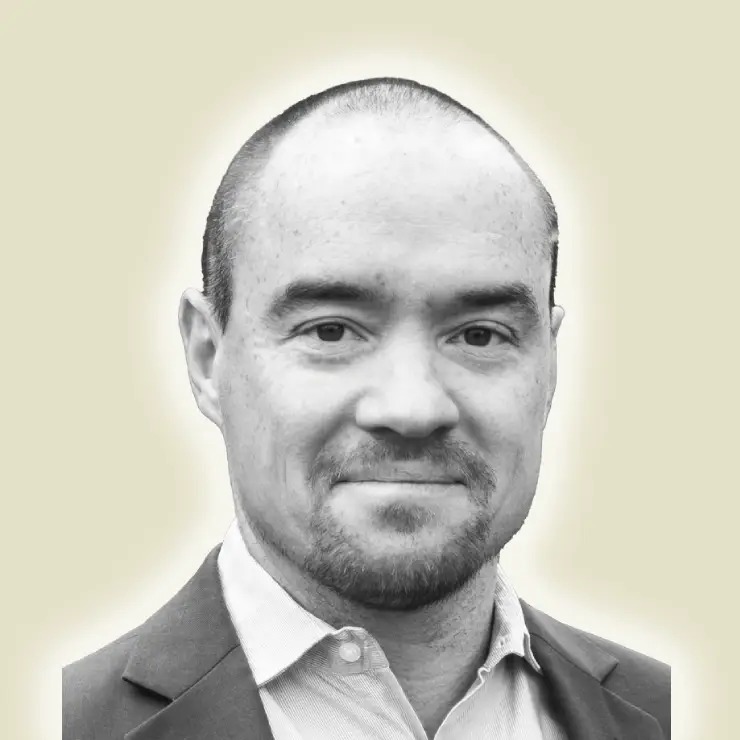
Kent Ekeroth is Executive Director of Samnytt and a former member of the Swedish Parliament.
Kent Ekeroth · Executive Director & Senior Political Analyst
Kent Ekeroth is Executive Director (VD) of Samnytt, a former Member of the Swedish Parliament (Riksdag, 2010-2018) on the Committee on Justice, and an economist from Lund University. He writes from Stockholm on European migration policy, judicial reform, and international affairs.
Follow @kentekeroth on 𝕏 ↗